In today's urban cleaning and environmental protection sector, ISUZU vacuum trucks have become the preferred equipment in municipal, industrial, agricultural, and many other fields due to their efficiency, environmental friendliness, and versatility. However, faced with a dazzling array of ISUZU vacuum tank truck models on the market, many purchasers find it challenging to select the one that best meets their needs. This article provides a comprehensive guide to purchasing an ISUZU vacuum sewage truck from multiple perspectives, helping you make an informed decision.
1. Understand the Basic Structure and Working Principle of ISUZU Vacuum Sewage Suction Trucks
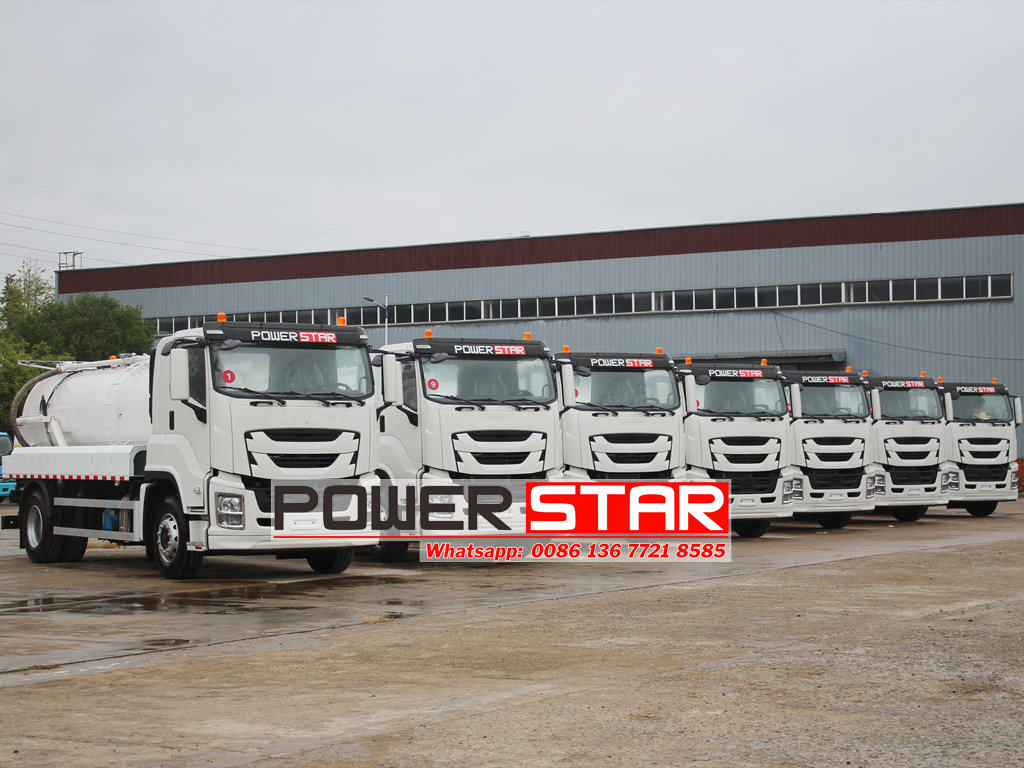
Before purchasing an ISUZU vacuum suction truck, it is essential to understand its basic structure and working principle. An ISUZU vacuum tank truck mainly consists of a chassis, tank, vacuum system, hydraulic system, and suction system. The chassis serves as the support and foundation of the vehicle, determining its driving performance and stability; the tank stores the collected waste; the vacuum system generates negative pressure to suck in the waste; the hydraulic system is responsible for lifting and dumping the tank; and the suction system, including suction hoses and heads, is used for actual waste suction.
In terms of working principles, the ISUZU sewage suction truck generates negative pressure through a vacuum pump to suck waste into the tank through the suction hose. When the waste in the tank reaches a certain amount, the hydraulic system can be used to lift and dump the tank, discharging the waste to a designated disposal site. Throughout the process, the vehicle's driving performance and stability are crucial to ensure efficient and safe operation.
2. Clarify Your Needs
After understanding the basic structure and working principle of the ISUZU vacuum septic truck, the next step is to clarify your needs. This includes the following aspects:
• Operating Environment: You need to specify the environment in which the vehicle will operate, such as city streets, industrial parks, or farmland. Different operating environments have different requirements for the vehicle's driving performance, passability, and adaptability.
• Operating Frequency: You need to estimate the frequency of vehicle use, whether it will be used daily, weekly, or monthly. This will directly affect the vehicle's durability and the frequency of maintenance.
• Waste Type: You need to specify the type of waste to be sucked, such as domestic sewage, industrial waste residue, or other special waste. Different types of waste have different requirements for the vehicle's suction system and tank material.
• Operating Distance: You need to estimate the distance the vehicle needs to travel for each operation, whether it is short or long-distance. This will affect the vehicle's fuel economy and driving comfort.
3. Choose the Right Chassis Model
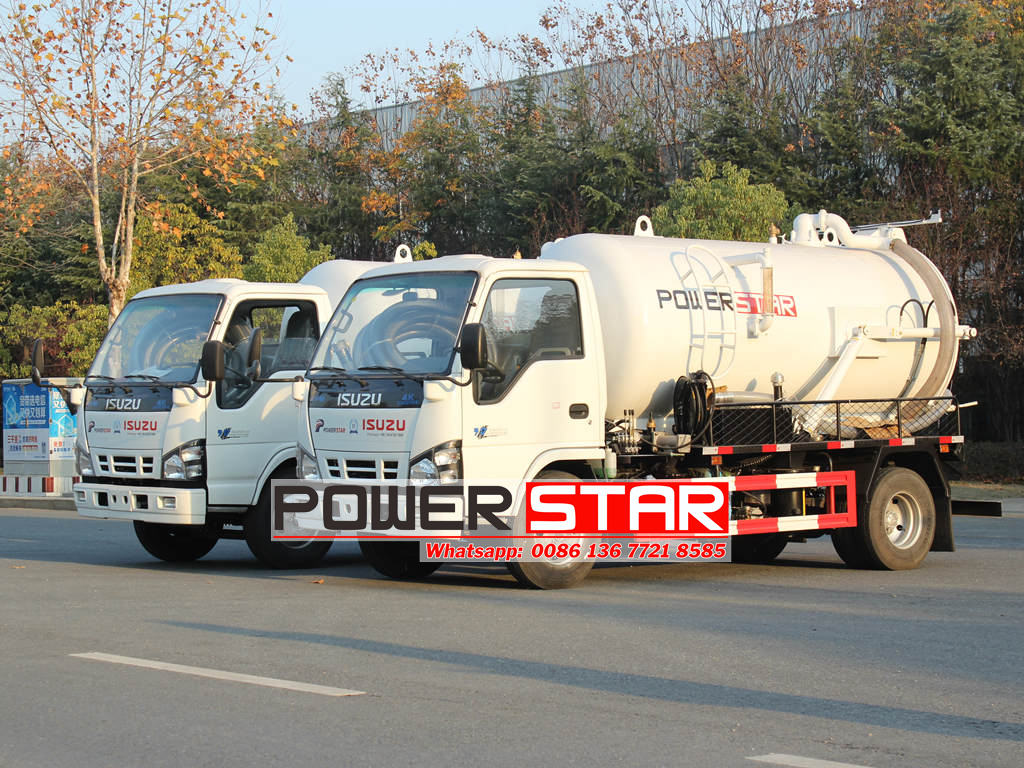
The chassis of an ISUZU sewer vacuum truck is the foundation of its driving performance and stability. Therefore, when choosing, you need to select a suitable chassis model based on your actual needs. ISUZU chassis are renowned for their reliability, durability, and fuel economy, but different models have varying performances.
• Load Capacity: Choose a chassis with appropriate load capacity based on your operational requirements. If you frequently need to suck up heavier waste, a chassis with stronger load capacity will be more suitable.
• Drive Mode: Select a suitable drive mode based on your operating environment and road conditions. If you often drive on rough roads, a four-wheel-drive chassis will be more appropriate; if you mainly drive on urban roads, a two-wheel-drive chassis will suffice.
• Emission Standards: With increasing environmental awareness, emission standards have become an important factor to consider when choosing a chassis. Selecting a chassis that complies with local emission standards will help reduce the vehicle's environmental impact.
4. Paying Attention to Tank Material and Capacity
The tank is an essential part of the ISUZU vacuum pump truck for storing waste. Therefore, when choosing, you need to focus on the tank's material and capacity.
• Material: The tank's material directly affects its corrosion resistance and service life. Generally, stainless steel has better corrosion resistance and strength but is relatively more expensive; while carbon steel is less expensive but has relatively poorer corrosion resistance. Choose a suitable tank material based on your operational needs and budget.
• Capacity: The tank's capacity determines the amount of waste the vehicle can suck up at once. Choose a tank with appropriate capacity based on your operating frequency and waste type. If you frequently need to handle large amounts of waste, a larger capacity tank will be more efficient.
5. Inspect the Performance of the Vacuum System
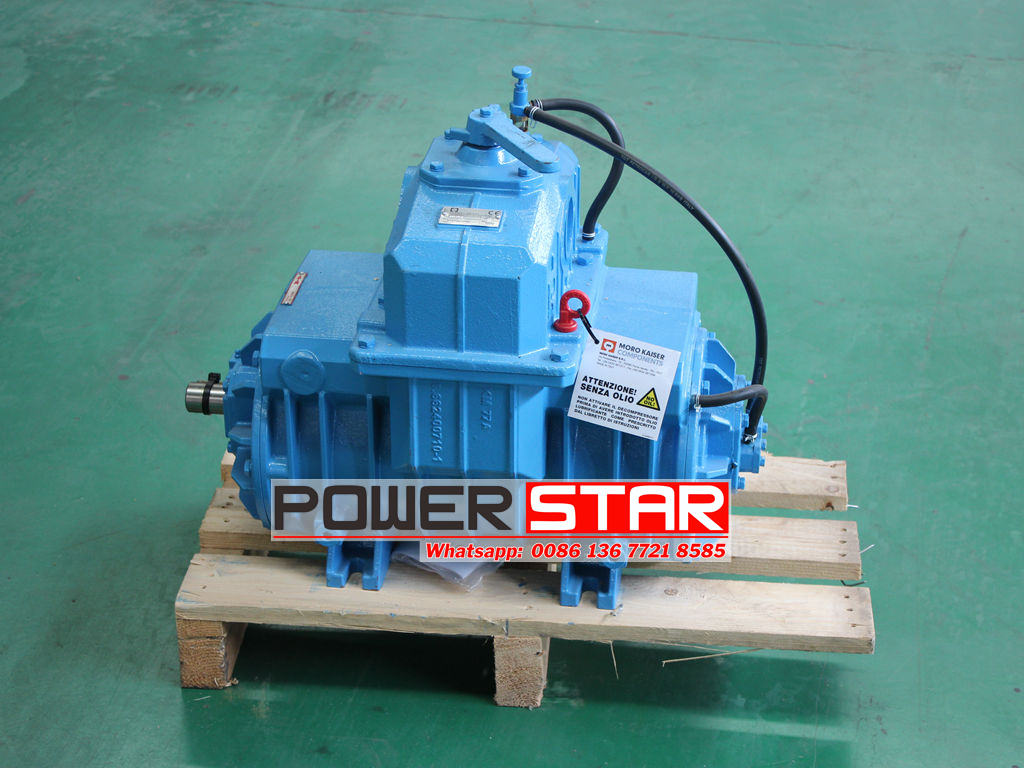
The vacuum system is one of the core components of the ISUZU vacuum sewage suction truck, and its performance directly affects the vehicle's suction efficiency and stability. Therefore, when choosing, you need to carefully inspect the performance of the vacuum system.
• Vacuum Degree: Vacuum degree is one of the important indicators for measuring the performance of the vacuum system. The higher the vacuum degree, the higher the suction efficiency. Therefore, when choosing, pay attention to the vehicle's vacuum degree indicator and ensure it meets your operational requirements.
• Stability: The stability of the vacuum system is also crucial. If the vacuum system is unstable, it can easily lead to faults or decreased efficiency during the suction process. Therefore, when choosing, select a vacuum system with stable performance.
• Maintenance: The maintenance of the vacuum system is also a factor to consider. Choosing a vacuum system that is easy to maintain will help reduce the vehicle's operating costs and improve its reliability.
6. Understand the Performance of the Hydraulic System
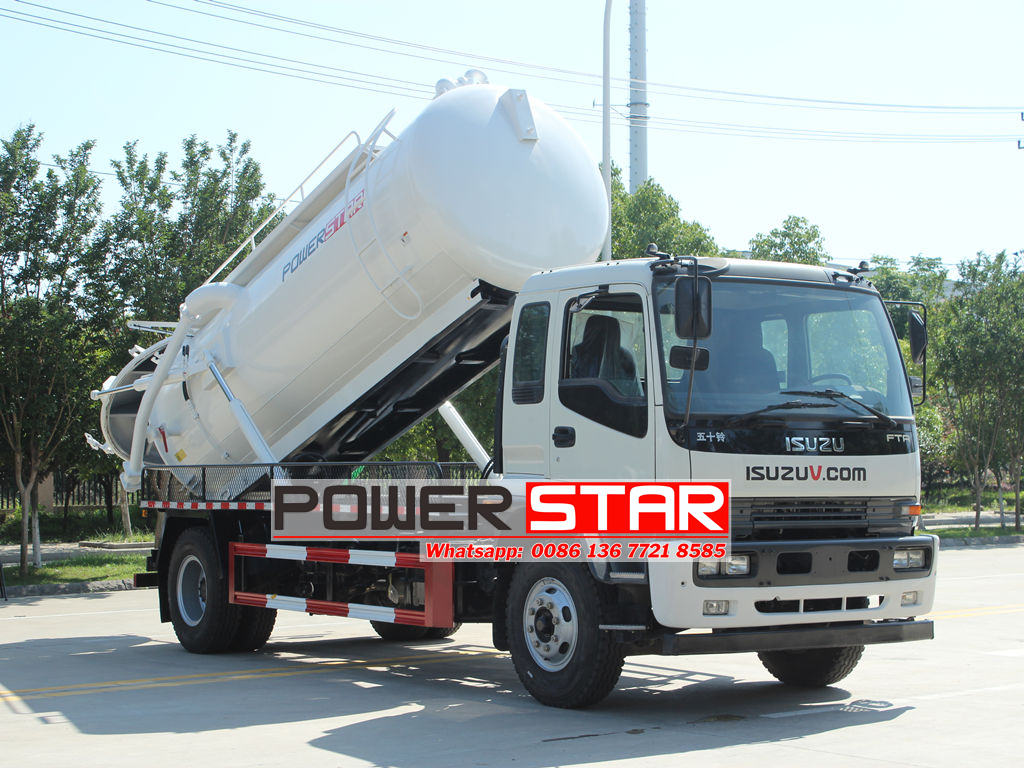
The hydraulic system is responsible for driving the lifting and dumping of the ISUZU vacuum septic tank truck's tank. Therefore, when choosing, you also need to understand the performance of the hydraulic system.
• Lifting Force: Lifting force is one of the important indicators for measuring the performance of the hydraulic system. The greater the lifting force, the easier it is to lift and dump the tank. Therefore, when choosing, pay attention to the vehicle's lifting force indicator and ensure it meets your operational requirements.
• Stability: The stability of the hydraulic system is also crucial. If the hydraulic system is unstable, it can easily lead to faults or safety hazards during the lifting and dumping process of the tank. Therefore, when choosing, select a hydraulic system with stable performance.
• Ease of Operation: The ease of operation of the hydraulic system is also a factor to consider. Choosing a hydraulic system that is easy to operate will help improve work efficiency and reduce the operator's workload.
Through the introduction and analysis of the above aspects, believe you have a clearer understanding of how to purchase an ISUZU vacuum tank truck. During the purchasing process, it is necessary to clarify your needs, choose a suitable chassis model, pay attention to the tank's material and capacity, examine the performance of the vacuum and hydraulic systems, and choose a reputable manufacturer and supplier.
In the future, as environmental protection and cleaning requirements continue to increase, ISUZU vacuum tank trucks will play an important role in more fields. POWERSTAR will continue to adhere to the philosophy of "Quality First, Service Foremost," providing users with better products and services. At the same time, we will continue to innovate and improve product performance and technical features to meet the growing needs and expectations of our users.