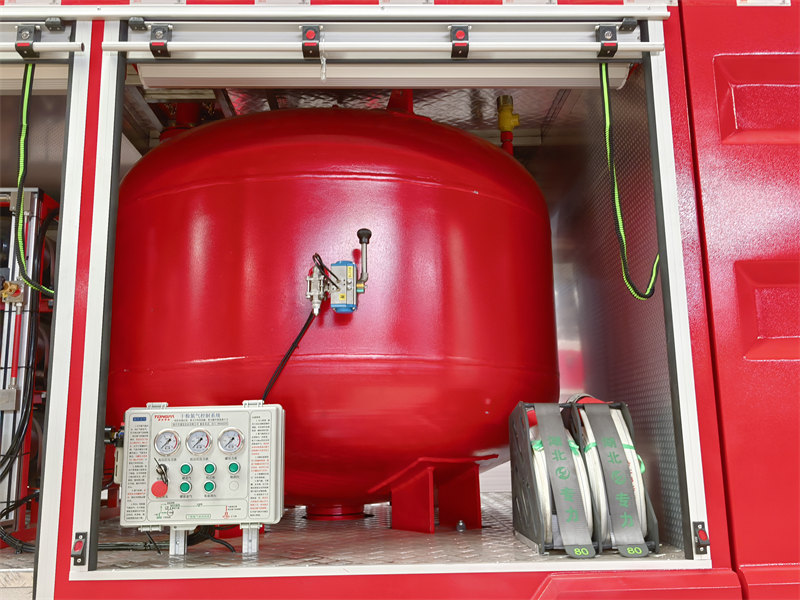
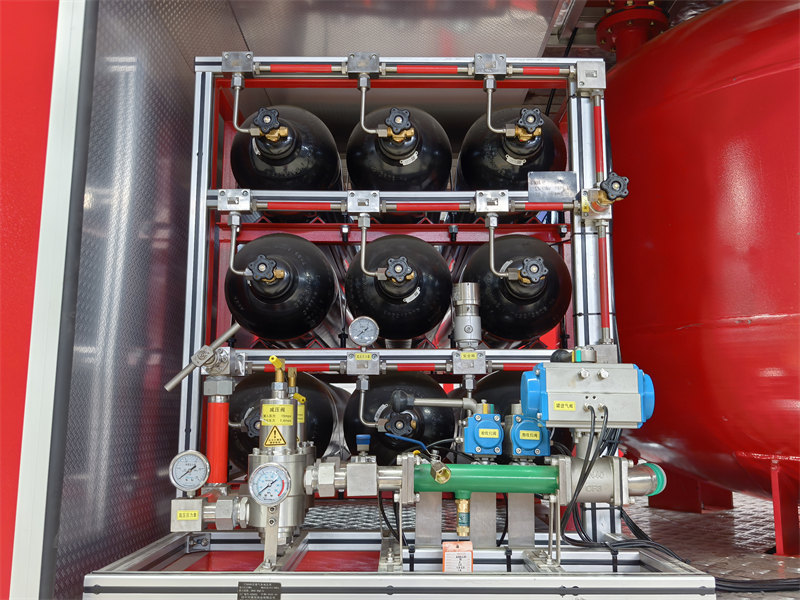
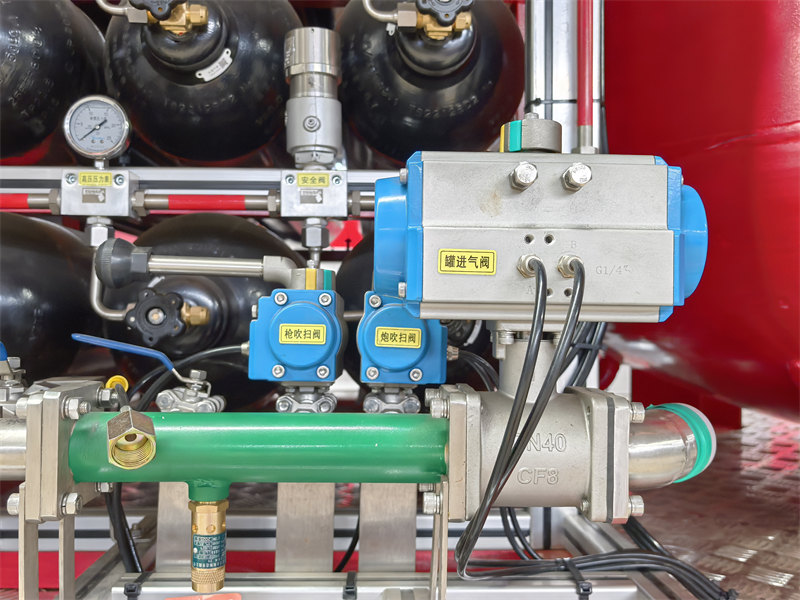
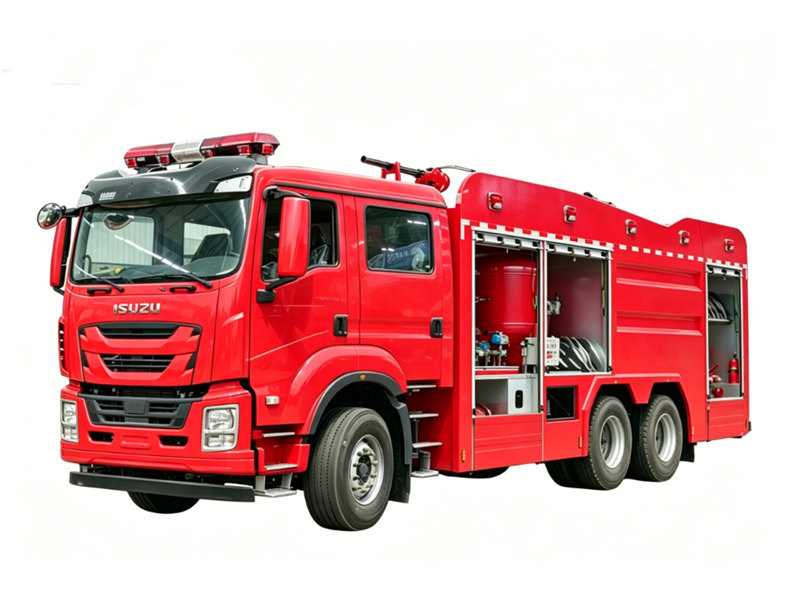
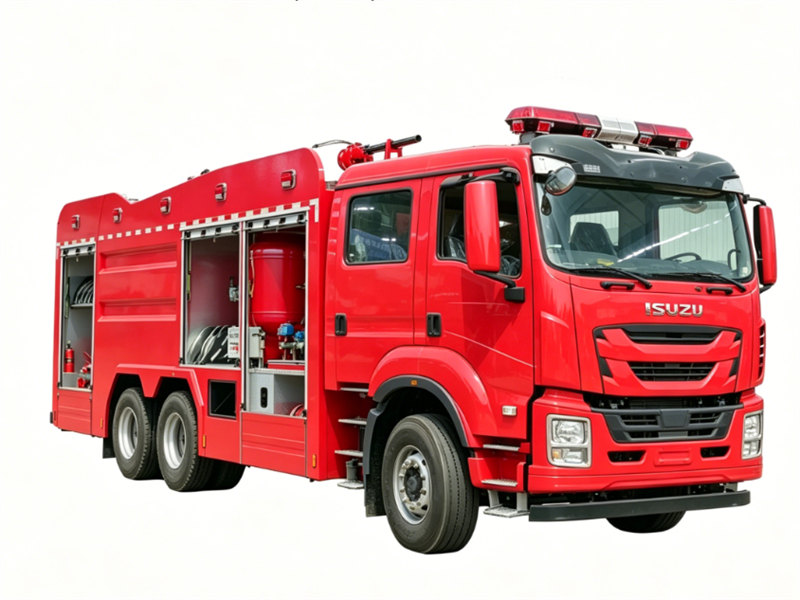
Isuzu dry powder fire trucks are irreplaceable equipment for dealing with special fires involving electrical systems, oil, and chemicals. They solve the problems of water's "ineffectiveness" and "danger" in high-risk scenarios. Whether ensuring the safety of urban energy grids, protecting industrial park production, or responding to extreme weather disasters, they are a key force in building a strong line of defense for life and property safety.
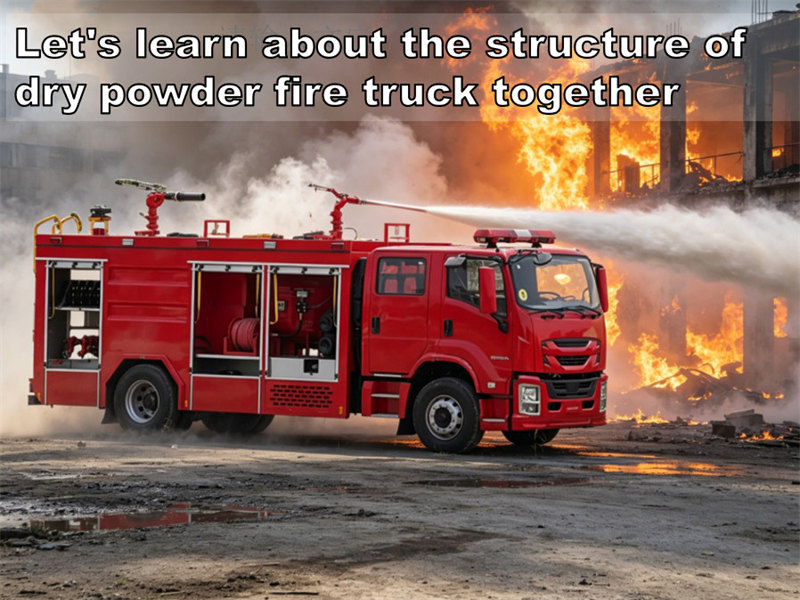
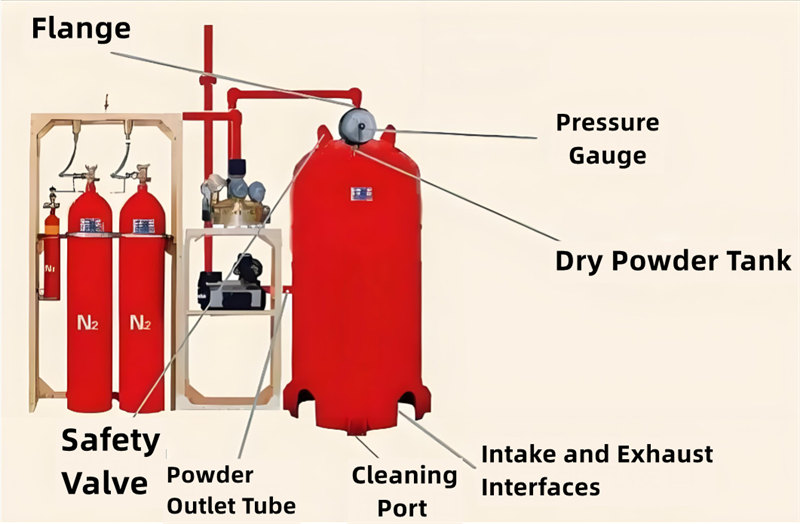
Modern fire trucks are designed with a focus on achieving coordinated operation of both dry powder and water fire suppression systems. They are equipped with a 3000L carbon steel dry powder storage tank, nine 80L high-pressure nitrogen cylinders, and a 3000L carbon steel water tank, along with a high-efficiency fire pump and long-range fire monitors, enabling them to flexibly respond to different types of fires.
▶Truck Model : Isuzu dry powder fire truck
▶Speficiation : 3000 L water + 3000 L dry powder
▶Application Area : Fire resuce department / Municipal fire bureau
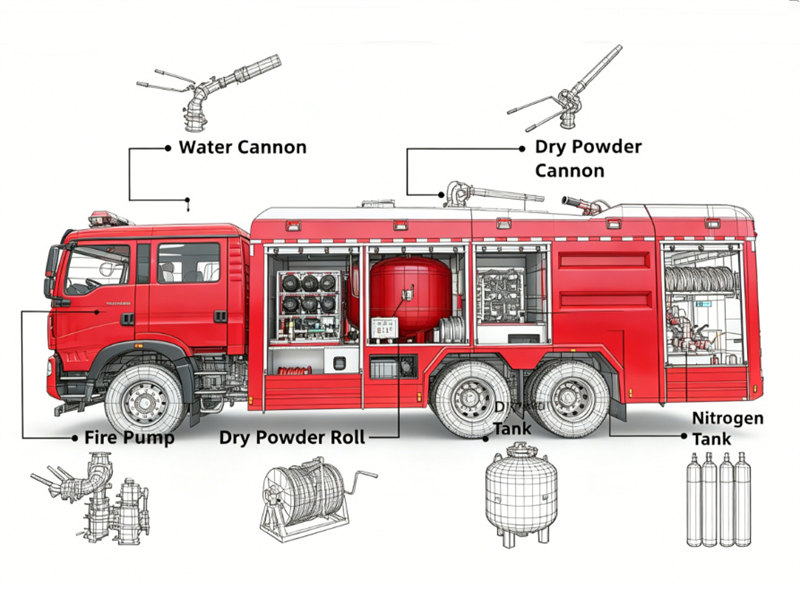
( Isuzu dry powder fire truck structural analysis diagram )
|
Dry Powder System |
|
|
Model |
R25-303 |
|
Pressure Vessel |
Ⅱ |
|
Design Pressure |
1.76MPa |
|
Pressure Test Pressure |
2.2MPa |
|
Design Temperature |
50° |
|
Net Weight of Vessel |
1345 kg |
|
Capacity |
3.0 CBM |
|
Nitrogen Cylinder Group |
|
|
NO of Nitrogen Cylinder |
9 |
|
Capacity |
80L |
|
Working Pressure |
≤15Mpa |
 |
 |
◊◊ Advantages of dry powder fire trucks in application
♦ For extinguishing electrical fires (Class E), water, as the extinguishing medium, can easily lead to electric shock when used on electrical equipment. Dry powder extinguishing agents, being non-conductive, ensure the safety of rescue personnel when extinguishing fires in substations, distribution rooms, and on energized equipment, and will not cause secondary water damage to precision equipment.
♦ For precisely suppressing oil and chemical fires (Class B), dry powder can instantly interrupt the chain reaction of combustion for fires involving liquids such as petroleum, diesel, and organic solvents, controlling deflagration and flowing fires more quickly than water. In scenarios such as oil depots, gas stations, and chemical industrial parks, it serves as the first line of defense against the spread of fire.
♦ For efficiently handling gas fires (Class C), dry powder can quickly cover the surface of the gas source in the event of a fire caused by natural gas or liquefied petroleum gas leaks, effectively isolating oxygen and inhibiting the spread of flames, buying valuable time to cut off the gas supply.