In modern urban firefighting and emergency rescue operations, fire trucks play a crucial role, and as the core component of a fire truck, the vehicle-mounted fire pump directly impacts the efficiency of firefighting operations with its performance and installation quality. This article provides a detailed introduction to the parameters, structural features, working principles, installation steps, and maintenance recommendations of the CB10/30 vehicle-mounted fire pump, aiming to help relevant personnel better understand this key equipment.
I. CB10/30 Vehicle-Mounted Fire Pump Parameters
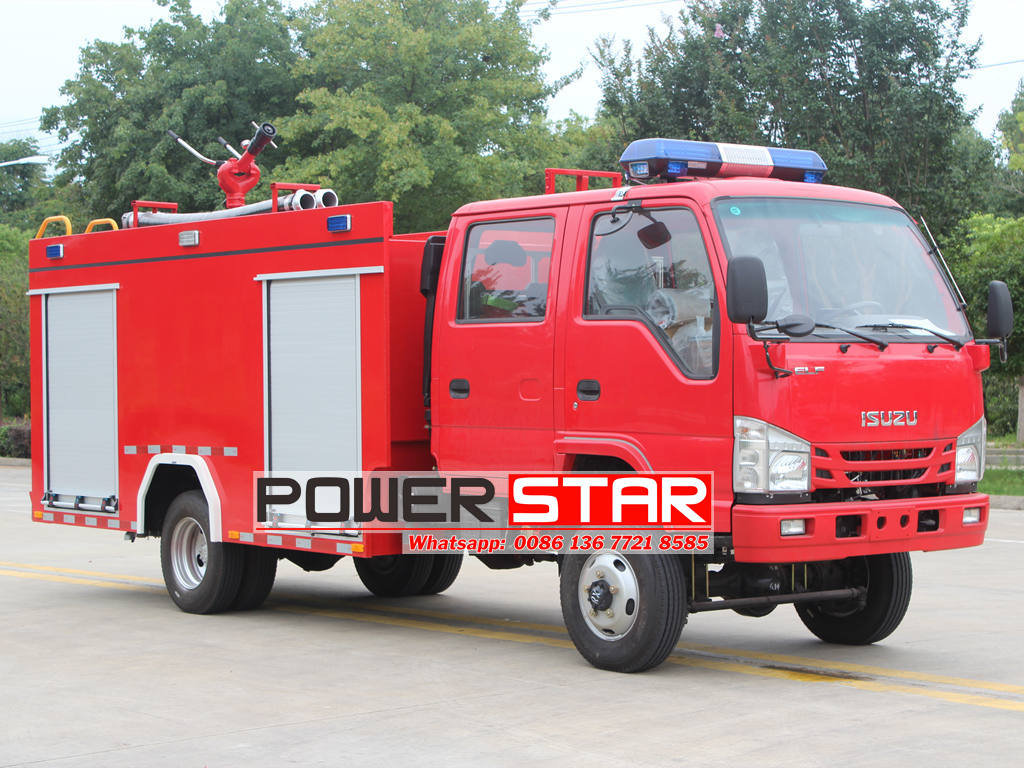
The CB10/30 vehicle-mounted fire pump is widely used on ISUZU light fire trucks due to its efficient and stable performance. Below is the main parameter table for this pump:
|
Model |
Working condition |
Flow (L/s) |
Outlet pressure (MPa) |
Rated speed (r/min) |
Shaft power (kw) |
Suction depth (m) |
|
CB10/30-XZ |
1 |
30 |
1.0 |
3045±50 |
48 |
3 |
|
2 |
21 |
1.3 |
3365±50 |
52 |
3 |
|
|
3 |
15 |
1.0 |
2992±50 |
34 |
7 |
From the parameter table, it can be seen that the CB10/30 vehicle-mounted fire pump has different flow rates, outlet pressures, and shaft powers under different working conditions, making it adaptable to various firefighting needs.

II. Structural Features of the Pump
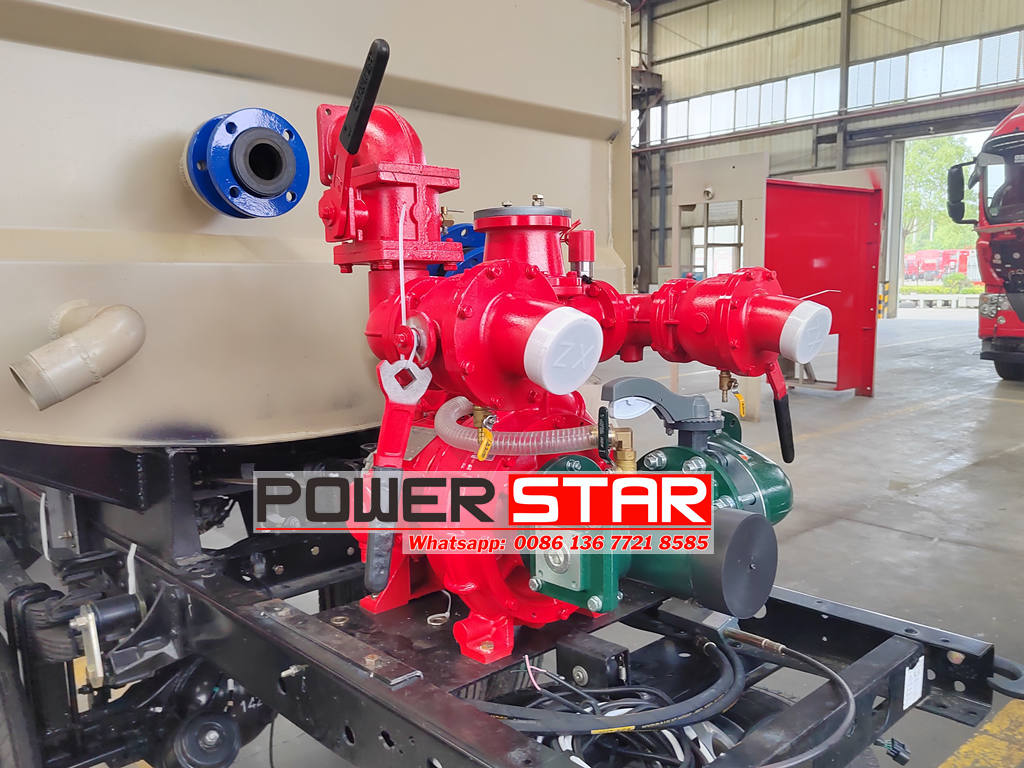
The CB10/30 vehicle-mounted fire pump is primarily a single-stage centrifugal water pump with a compact and reasonable design, featuring the following notable characteristics:
1. Water Diversion Separation Sensor: This sensor can monitor the water diversion status in real-time, ensuring that the water diversion device automatically disengages after meeting the pressure requirements, thereby enhancing the pump's automation and ease of use.
2. Pump Body: The pump body is the main working component of the fire pump, made of high-strength materials capable of withstanding the impact of high-pressure water flows. Additionally, a check valve is designed inside the pump body to prevent water backflow and ensure normal pump operation.
3. Check Valve: Located at the back of the pump body, it ensures that water flows only in one direction, preventing damage to the pump due to water backflow.
4. Two-Piston Water Diversion Device: It draws water through the reciprocating motion of two pistons, which makes the pump reliably prime when started, improving its starting efficiency and stability.
5. Oil Filler Port: It facilitates lubrication for the water diversion device and other parts that require lubrication, extending the equipment's service life.
6. Inlet Pipe: Connects to the water source and introduces water into the pump body. The inlet pipe is made of high-quality materials with good corrosion resistance and sealing properties.
7. Bearing Housing: Contains bearings that support the rotation of the pump shaft and reduce friction. The design of the bearing housing makes the pump more stable during operation, reducing noise and vibration.
8. Oil Level Line: Indicates the amount of lubricating oil, facilitating inspection and maintenance. Users can determine whether to add or replace lubricating oil by observing the oil level line.
9. Drain Valve: Used to remove residual water from the pump to prevent freezing and cracking in winter. This design allows the pump to operate normally in cold environments, improving the equipment's adaptability.
10. Input Shaft: Connects the pump body to the power source and transmits power. The design of the input shaft allows the pump to be compatible with various power sources, enhancing the equipment's versatility.
11. Oil Drain Port: Facilitates the drainage of old oil and the addition of new oil. Users can easily replace the lubricating oil through the oil drain port, ensuring the pump's long-term stable operation.
III. Working Principle
The working principle of the CB10/30 vehicle-mounted fire pump is mainly based on the principle of a centrifugal pump. Specifically, when the pump starts, the two-piston water diversion device begins to work, generating negative pressure through the reciprocating motion of the pistons to draw water into the pump. When the pump body is filled with water, the centrifugal pump starts to operate, and the water is thrown out under the high-speed rotation of the impeller, forming a high-pressure water flow.
Through the pressurization of the single-stage centrifugal pump, the water is delivered to the firefighting equipment or where it is needed. When the system pressure meets the requirements, the water diversion device automatically disengages, and the pump enters normal operation.
During operation, the CB10/30 fire pump demonstrates high efficiency and stability. Its centrifugal pump design allows the water to form a high-pressure, high-speed flow state inside the pump body, thereby improving firefighting efficiency. At the same time, the pump has a high degree of automation, capable of automatic water diversion, pressurization, and stopping, reducing the burden on operators.
IV. Installation Steps
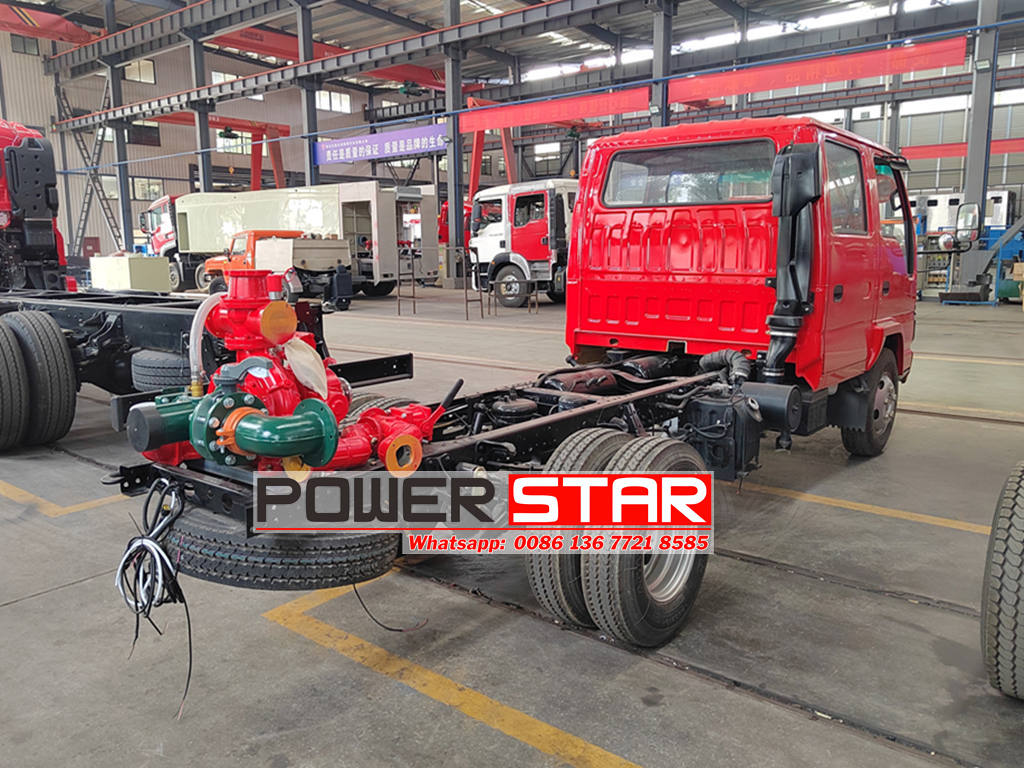
To ensure the normal operation and extend the service life of the CB10/30 vehicle-mounted fire pump, correct installation steps are crucial. Below are the detailed installation steps:
1. Determine the Installation Location:
o When choosing the installation location, ensure that the pump body is stable and close to the water source. Additionally, consider the overall layout and balance of the fire truck to avoid damaging the vehicle structure during installation.
2. Connect the Inlet and Outlet Pipes:
★ Correctly connect the inlet and outlet pipes to the corresponding interfaces on the pump body. Use sealing materials during the connection process to ensure no leaks at the connections. Also, check the security of the piping to ensure it does not loosen or fall off due to vibration during vehicle operation.
3. Install the Fixing Bracket:
★ Select an appropriate fixing bracket for installation based on the size and weight of the pump body. The bracket material should have sufficient strength and rigidity to support the weight of the pump body and resist vibration during vehicle operation.
4. Install the Electrical System:
★ Connect electrical components such as sensors, switches, and the pump motor according to the electrical diagram. Ensure correct and good contact during the connection process. Also, check the insulation performance of the electrical components to prevent safety accidents caused by short circuits or electrical leaks.
5. Inspection and Commissioning:
★ After installation, conduct a comprehensive inspection and commissioning. Check whether all components are securely installed, whether the seals are good, and whether the electrical system is normal. Additionally, perform simple performance tests to ensure the pump can operate normally.
V. Maintenance Recommendations
To ensure the long-term stable operation and extend the service life of the CB10/30 vehicle-mounted fire pump, below are some important maintenance recommendations:
1. Regular Inspection and Replacement of Lubricating Oil:
★ Check the condition of the lubricating oil once a month to ensure the oil level is within the normal range and the oil is clean and free of impurities. Replace the lubricating oil promptly if the oil level is too low or the oil quality deteriorates. The choice of lubricating oil should meet the pump's requirements to avoid damage to the pump caused by unsuitable oil.
2. Inspection and Maintenance of the Water Diversion Device:
★ Before and after each use, check whether the two-piston water diversion device operates normally, whether the piston movement is flexible, and whether there is any sticking. If damage or wear is found in the water diversion device, repair or replace it promptly. Also, clean the residue and impurities inside the water diversion device after each use of the fire pump to prevent clogging and wear.
3. Inspection of Sealing Performance:
★ Check the condition of the connection parts and seals once a quarter to ensure no water leakage and that the sealing gaskets are in good condition. If aging or damage is found in the seals, replace them with new ones promptly. When replacing seals, choose reliable and stable quality seal products to ensure good sealing performance.
4. Inspection of Sensors and Switches:
★ Before and after each use, check the working status of the water diversion pressure switch, drain valve, and other components to ensure reliable switch operation and normal sensor function. If any faults are found in the sensors or switches, repair or replace them promptly.
5. Cleaning and Lubrication:
★ Perform deep cleaning and lubrication every six months. Disassemble the pump body, clean internal impurities and dirt, inspect the bearings, add lubricating grease, and replace the bearings if necessary; clean the water diversion device and apply a small amount of lubricating oil to ensure flexible movement of the moving parts.
6. Performance Testing:
★ Conduct a comprehensive performance test annually, including tests on parameters such as flow rate and outlet pressure. Ensure that the pump's performance indicators meet the specified requirements and operate efficiently and stably. If performance indicators decline or become unstable, adjust or repair them promptly.
7. Troubleshooting:
★ In case of difficulties in water diversion, water leakage, deterioration of lubricating oil, or decreased pump performance during use, troubleshoot promptly. Analyze the fault phenomena and causes, and take corresponding solutions for repair or replacement of components.
As one of the essential components of a fire truck, the performance and quality of the CB10/30 vehicle-mounted fire pump directly affect the efficiency and safety of firefighting operations. Therefore, during selection and use, it is necessary to strictly follow relevant standards and specifications for operation and maintenance to ensure the pump's long-term stable operation and extend its service life.