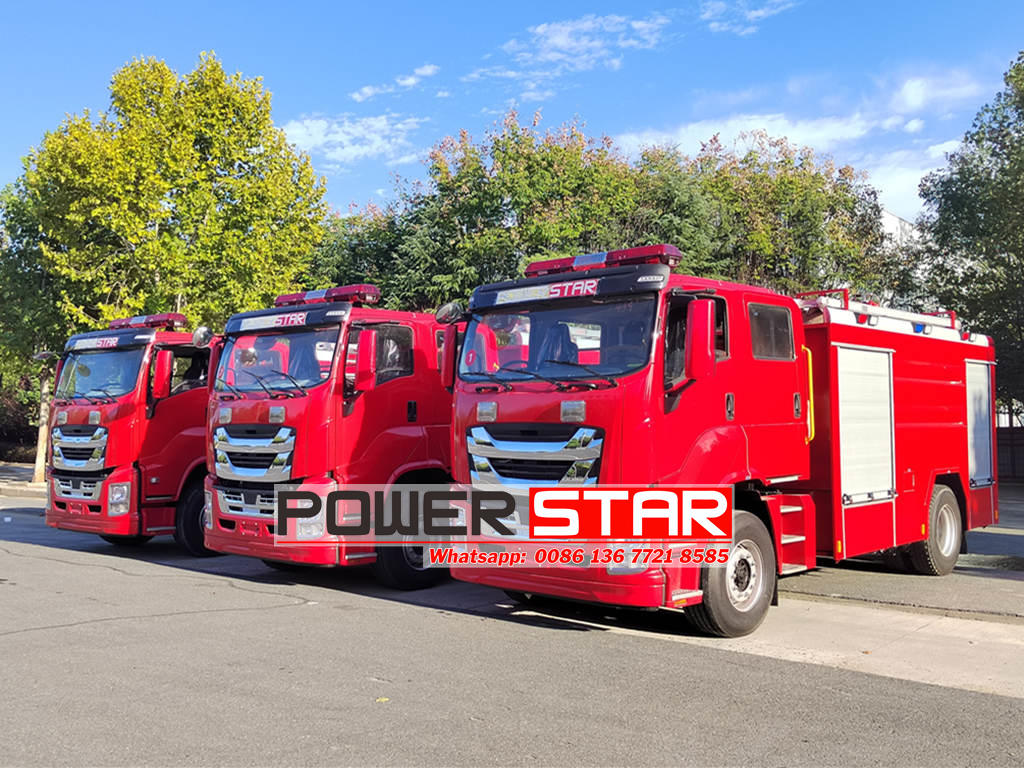
In the field of firefighting, the CB10/60 fire pump has become a standard equipment for many fire trucks due to its excellent performance and reliability. However, even the best equipment requires proper operation and meticulous maintenance to maximize its effectiveness.
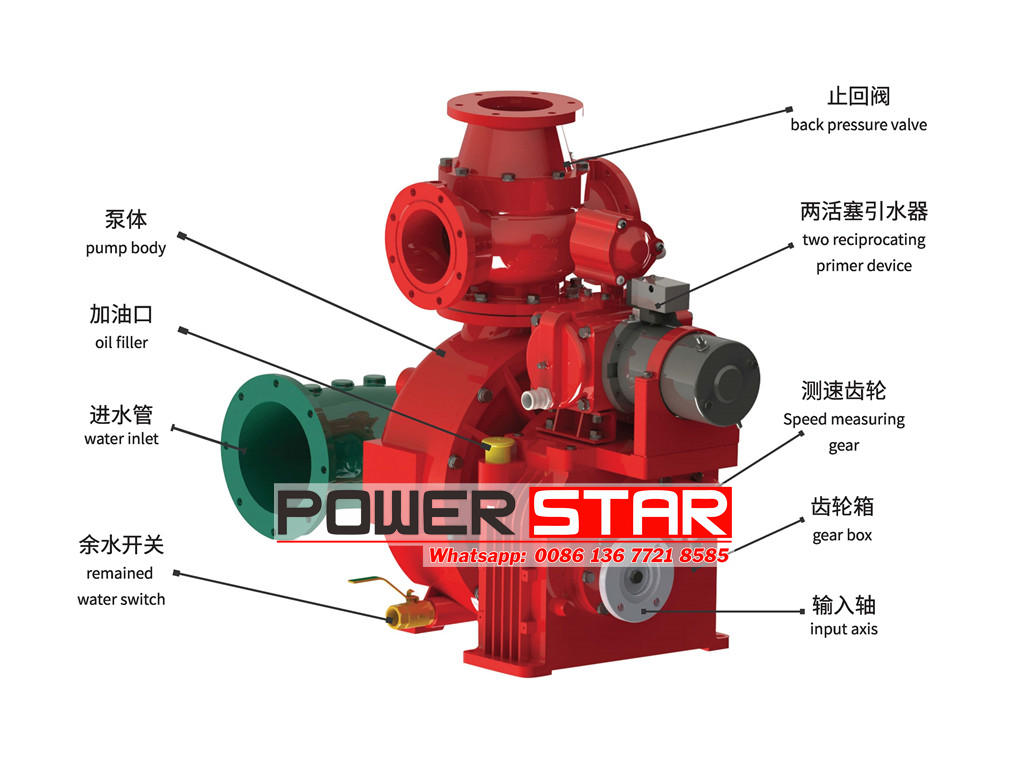
I. Introduction to CB10/60 Fire Pump
The CB10/60 fire pump is an efficient and reliable fire pump widely used in various fire trucks. Its compact design and reasonable structure make it capable of meeting the firefighting needs in different scenarios.
CB10/60 fire pump specifications
|
Model |
Work condition |
Flow rate |
Outlet pressure |
Rated speed |
Power |
Suction depth |
|
(L/S) |
(Mpa) |
(r/min) |
(KW) |
(m) |
||
|
CB10/60-XZ |
1 |
60 |
1 |
3200±50 |
102 |
3 |
|
2 |
42 |
1.3 |
3475±50 |
106 |
3 |
|
|
3 |
30 |
1 |
3130±50 |
73 |
7 |
II. Preparations Before Operation
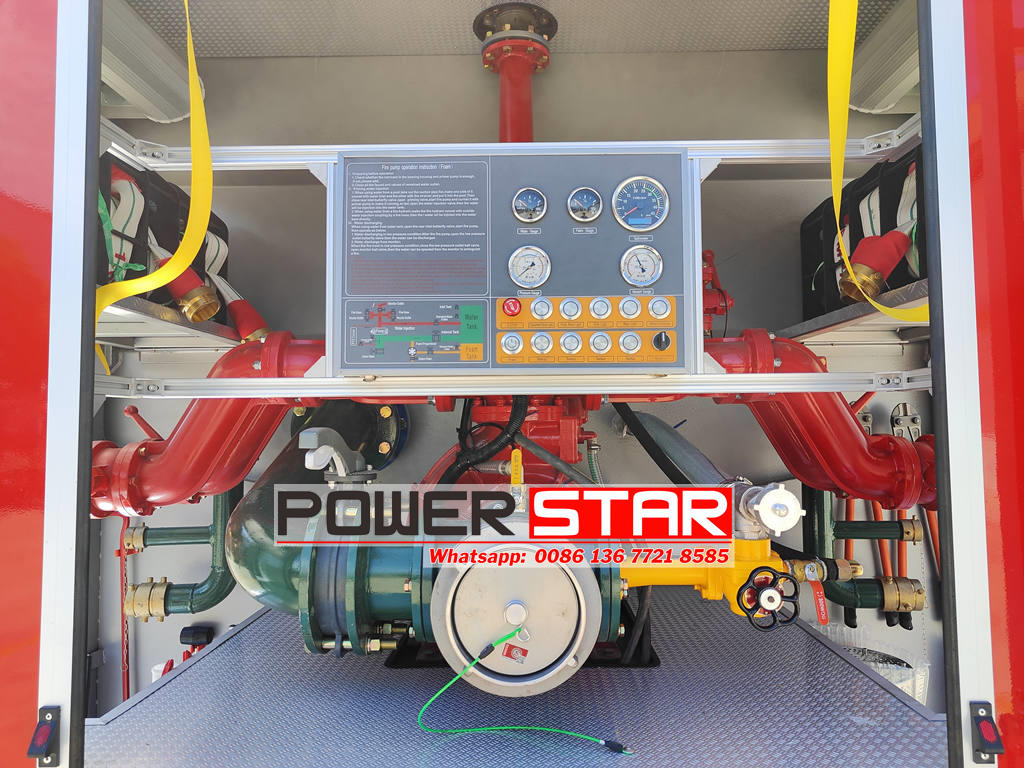
Adequate preparations are crucial to ensure the normal operation of the fire pump before any operation. The following are the preparations that need to be completed before operating the CB10/60 fire pump:
1. Close the drain valves:
• All drain valves on the pump must be closed to prevent water waste and damage to internal pump components during operation.
2. Close the foam pipeline ball valves and foam proportioning mixer:
• For foam fire trucks, ensure that the foam pipeline ball valves and foam proportioning mixer are closed to avoid affecting the normal operation of the fire pump.
3. Open the priming valve on the water inlet pipe of the pump:
• Opening the priming valve is an important step in the priming operation to ensure that the pump can smoothly draw in water.
4. Close the water injection ball valve:
• When water injection is not required, the water injection ball valve should be closed to avoid unnecessary trouble.
5. Check the transmission oil level:
• Warning: The transmission oil level must be checked before operating the pump, and oil must be added if insufficient. Otherwise, any equipment damage caused by insufficient oil level will be the responsibility of the operator.
III. Priming Operations
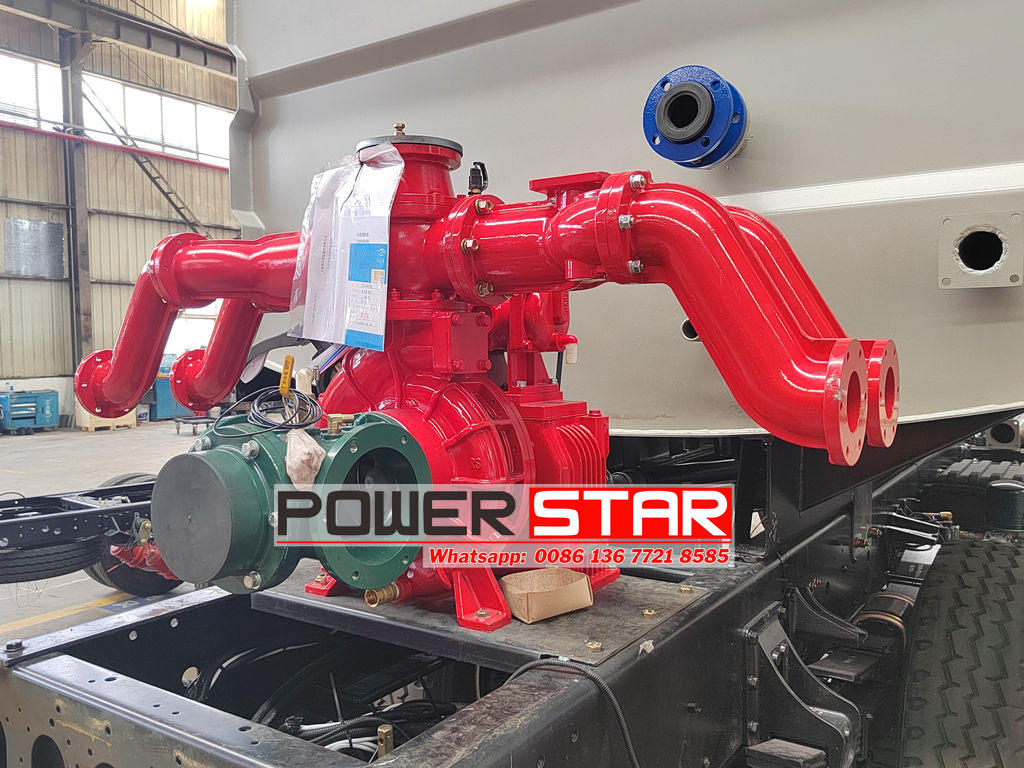
When the pump is used to draw water, there are three different operation methods depending on the water source. The following is a guide for priming operations for the CB10/60 fire pump:
1. Operation when supplied by a water tank:
• Start the fire pump, open the butterfly valve from the tank to the water inlet pipe of the pump, and then open the outlet ball valve.
• Adjust the manual throttle to adjust the pump speed to the required flow and pressure.
2. Operation when supplied by a fire hydrant:
• Take out the suction hose (or water hose, water collector) and fire hydrant wrench.
• Connect the suction hose to the fire pump inlet and the fire hydrant.
• Use the fire hydrant wrench to open the hydrant valve to allow water to flow into the pump.
• Start the fire pump, open the outlet ball valve, and adjust the manual throttle to the required flow and pressure.
• Note: When supplied by a fire hydrant, the vacuum gauge switch must be closed first, otherwise, the vacuum gauge may be damaged.
3. Operation when drawing water from a river, pond, or well:
• Take out the suction hose, water strainer, and suction hose wrench.
• Connect the suction hose to the appropriate length, install the water strainer at the end of the suction hose, and connect the other end to the fire pump inlet.
• Immerse the end with the water strainer into the water source, ensuring that there are no leaks at any connections of the suction hose.
• The immersion depth of the water strainer should be moderate. The upper surface of the water strainer should be about 0.5 meters above the water surface. If it is too shallow, it may create vortices during water drawing, affecting the flow rate; at the same time, it should not touch the sludge at the bottom of the river to prevent sludge and debris from being sucked in, causing blockage of the suction pipeline and damage to the fire pump.
• The rear water inlet butterfly valve must be closed during the priming operation.
• Start the fire pump, turn on the primer power switch, and the electromagnetic clutch engages to start the piston pump.
• Adjust the manual throttle to the rated input speed, and the piston pump quickly creates a vacuum in the suction pipeline and pump cavity, drawing water into the low-pressure impeller.
• When the water pressure reaches the primer pressure switch on the outlet, the electromagnetic clutch automatically disengages, and the piston pump stops working. The fire pump starts to discharge water.
• At this point, turn off the primer power switch and adjust the manual throttle to the required flow and pressure.
IV. Operation Precautions
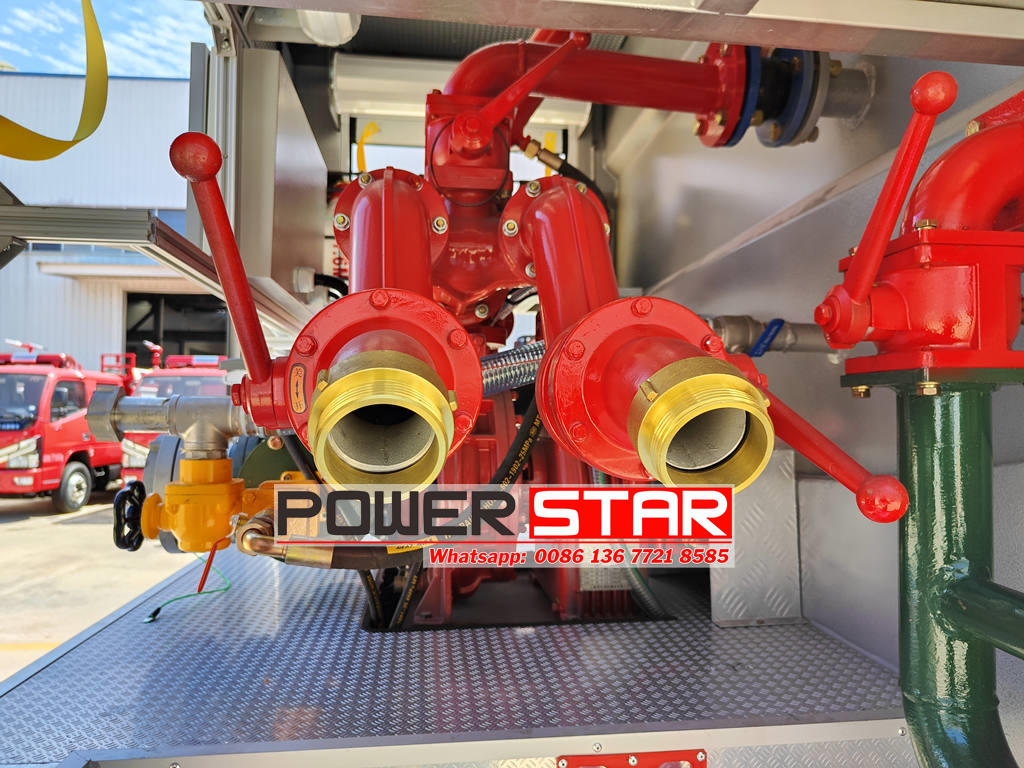
In addition to following the above steps, the following precautions should also be taken during operation:
1. Dry running time during priming:
• The pump is strictly prohibited from running at high speed without water for a long time. The dry running time during priming should be controlled within 1 minute. Long-term dry running can cause the mechanical seal in the low-pressure series fire pump to generate high heat and be damaged, resulting in water leakage.
2. Observe equipment status:
• During operation, closely monitor the working status of the fire pump. If abnormal sounds, vibrations, or performance decreases are observed, immediately stop the operation and investigate the cause.
3. Safe operation:
• Follow safe operating procedures during operation to ensure the safety of personnel and equipment. When using a fire hydrant, ensure that the hydrant valve is fully open and securely connected; when drawing water from rivers, ponds, and other water bodies, pay attention to personal safety protection to avoid accidents such as drowning.
V. Maintenance and Upkeep
Proper maintenance and upkeep are key to extending the service life of the fire pump and maintaining its stable performance. The following are maintenance and upkeep tips for the CB10/60 fire pump:
1. Clean the pump and pipelines:
• After the pump is used with seawater, extremely dirty water, corrosive water, or foam mixture, it should be operated with clean water for more than 10 minutes to clean out the residual liquid inside the pump and pipelines. This helps prevent corrosion and clogging and keeps the interior of the pump clean.
2. Drain all remaining water:
• After each use of the pump, open all drain valves in the pump and pipelines to drain all remaining water. Then close all valves to prevent freezing and corrosion.
3. Check and replace oil:
• Check the oil level in the bearing box or gearbox and the piston primer quarterly, and replenish it promptly if it is below the oil level. Change the oil every two years to ensure lubrication effectiveness and normal equipment operation.
• The recommended oil for the gearbox is 18# double-curve gear oil or 85W/90 medium-duty gear oil. When selecting lubricating oil, choose the appropriate oil strictly according to the equipment requirements.
4. Inspect the primer:
• If the primer does not work or cannot prime, inspect components such as the electromagnetic clutch, power supply, outlet pipeline pressure, V-belts, pressure switch, piston rings, inlet and exhaust valves, suction hose, and gaskets for normality. If any issues are found, replace or repair them promptly.
5. Inspect bearings and supports:
• If the bearing box or gearbox overheats, check if the oil level is too high or too low and adjust it promptly. If the bearings are damaged, replace them with new ones.
• If the pump makes noise or vibrates, check if the suction depth is too deep, if the pump is cavitating, if the pump supports are loose, or if the bearing bushings are severely worn. If any issues are found, adjust or replace the relevant components promptly.
6. Regular maintenance:
• In addition to the above daily inspections and maintenance, the fire pump should be comprehensively inspected and maintained regularly. This includes cleaning the water strainer and suction inlet screen, checking the engine power, and inspecting the opening status of the outlet valve and rear water injection valve. If any issues are found, handle them promptly and record them.
VI. Common Faults and Troubleshooting Methods
During use, the CB10/60 fire pump may encounter some common faults. Below are the troubleshooting methods for these faults:
1. Pump fails to start:
• Possible causes: Pump not engaged, impeller jammed, pump frozen.
• Solutions: Engage the pump, remove foreign objects or replace the impeller, carefully heat the pump.
2. Primer does not work or fails to draw water:
• Possible causes: Excessive suction depth, solenoid clutch damaged or no power supply, discharge pipeline pressure above 0.2 MPa, V-belt slipping, pressure switch clogged, piston rings worn, intake/exhaust valve flaps damaged or deformed, suction hose damaged or gasket damaged, drain valve not closed or leaking, suction valve on the inlet pipe not opened.
• Solutions: Reduce suction depth, replace the solenoid clutch or connect the power supply, relieve pressure in the discharge pipeline, replace the V-belt, replace or clean the pressure switch, replace the piston rings, replace the intake/exhaust valve flaps, replace the suction hose or gasket, close the drain valve or replace it, open the suction valve.
3. Bearing box or gearbox overheats:
• Possible causes: Excessive or insufficient oil level, bearings damaged.
• Solutions: Open the oil level switch to drain excess oil or add oil until it flows out of the switch, replace the bearings.
4. Pump produces noise or vibration:
• Possible causes: Excessive suction depth, pump cavitation, pump feet loose, severe wear of bearing bushings.
• Solutions: Reduce suction depth, lower pump speed and decrease discharge flow, tighten the pump feet, replace the bearing bushings.
5. Poor pump performance:
• Possible causes: Water strainer and suction inlet screen clogged with dirt, insufficient engine power, outlet valve not fully open, rear water injection valve not closed or not fully closed.
• Solutions: Clean the water strainer and screen, inspect the engine, open the outlet valve, close the rear water injection valve.
Proper operation and meticulous maintenance can not only extend the service life of the fire pump but also ensure its maximum effectiveness during actual firefighting operations. Therefore, please follow the guidelines and recommendations provided in this document for the standard operation and maintenance of the CB10/60 fire pump.