Performance test of the new Isuzu water tank fire truck
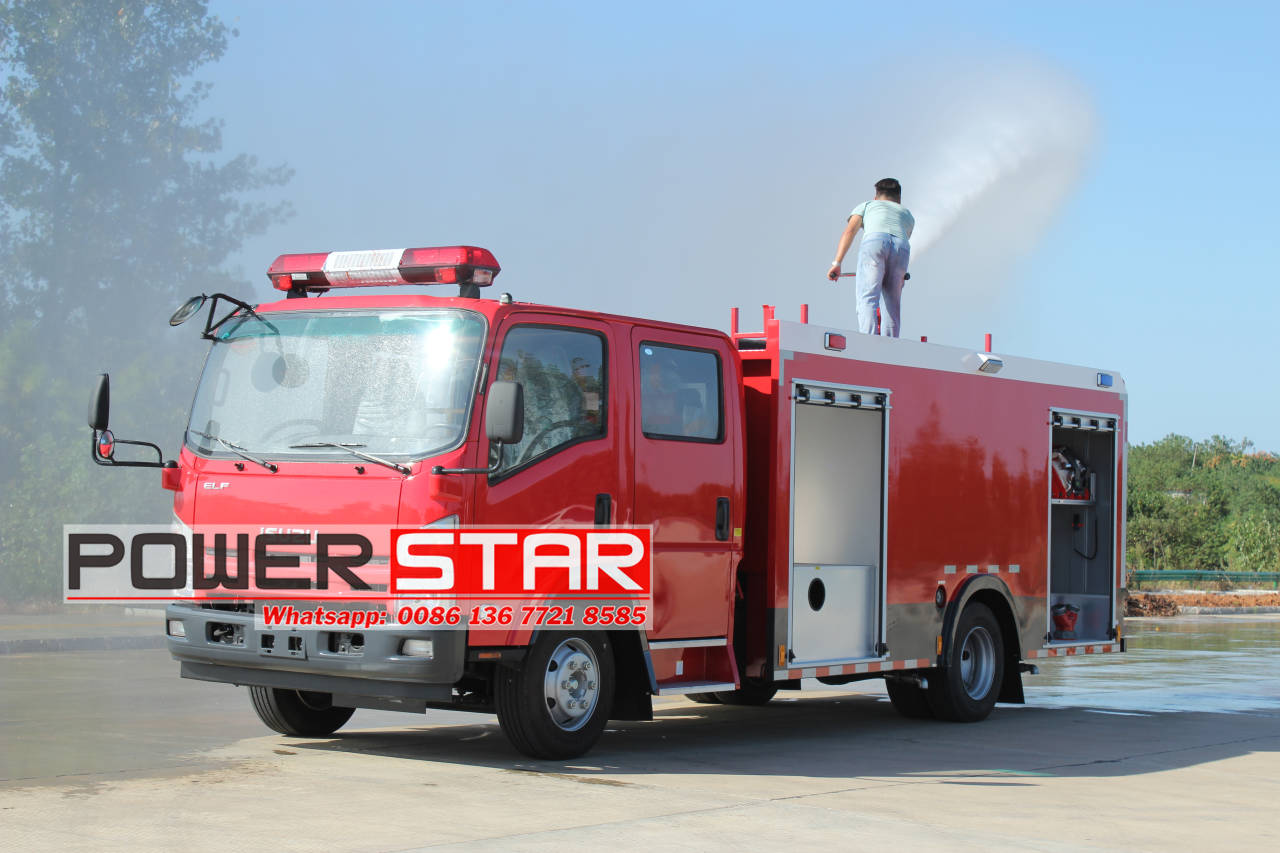
Isuzu water tank fire trucks also named Isuzu water fire engine or Isuzu chassis water fire tender, play a vital role in fire rescue, and the performance of their hydraulic system is directly related to the effect of fire fighting and rescue. In order to evaluate and improve the hydraulic performance of Isuzu water tank fire trucks, we conducted a series of professional tests.
The object of this test is a 5-ton Isuzu water tank fire truck. The main content of the test is to observe and record the time required for Isuzu water tank fire trucks to pump a truck of water when the water outlet pressure of the pump is 0.5MPa. The water outlet pressure of 0.5MPa is selected because when the test pressure is too high, the water outlet pressure of the water pump is unstable, and it is easy to cause the water hose to burst, resulting in a large error in the test results.
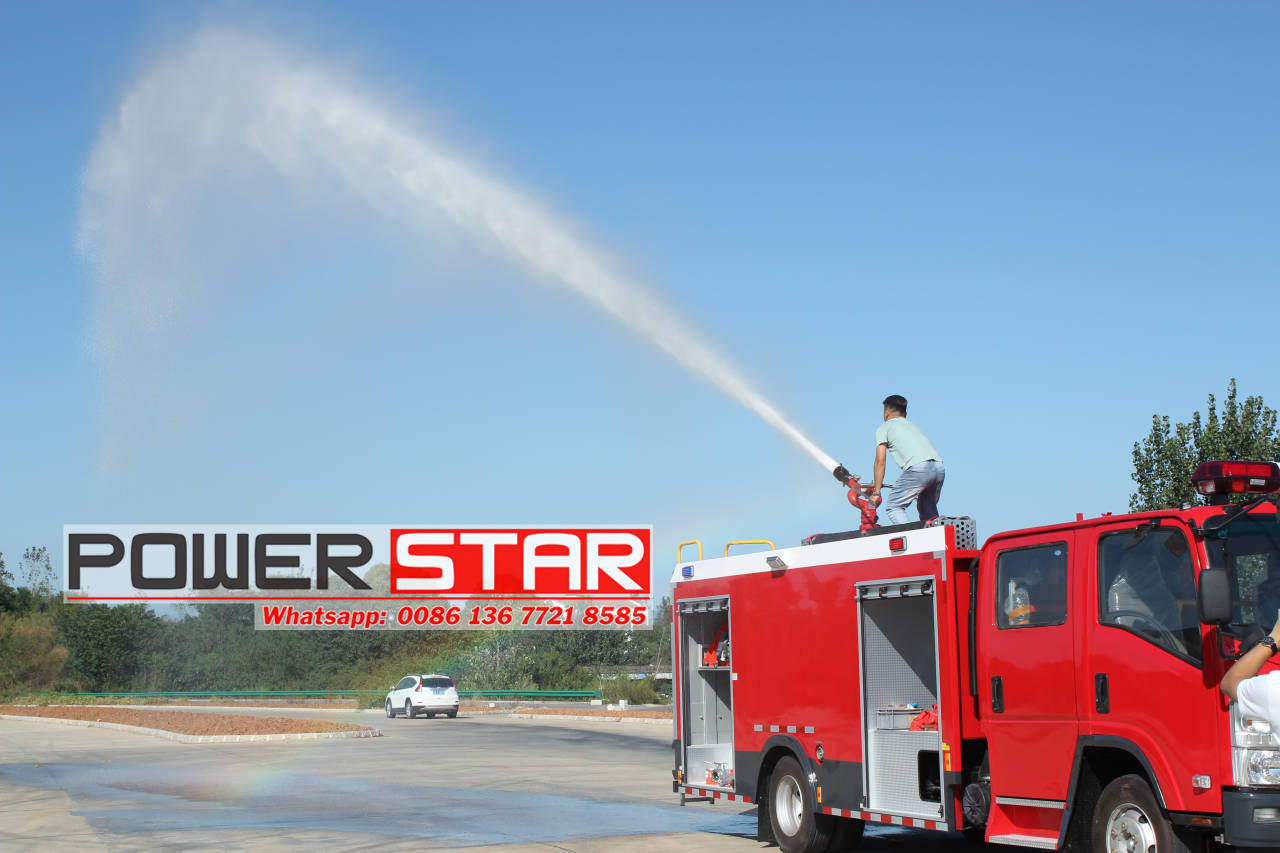
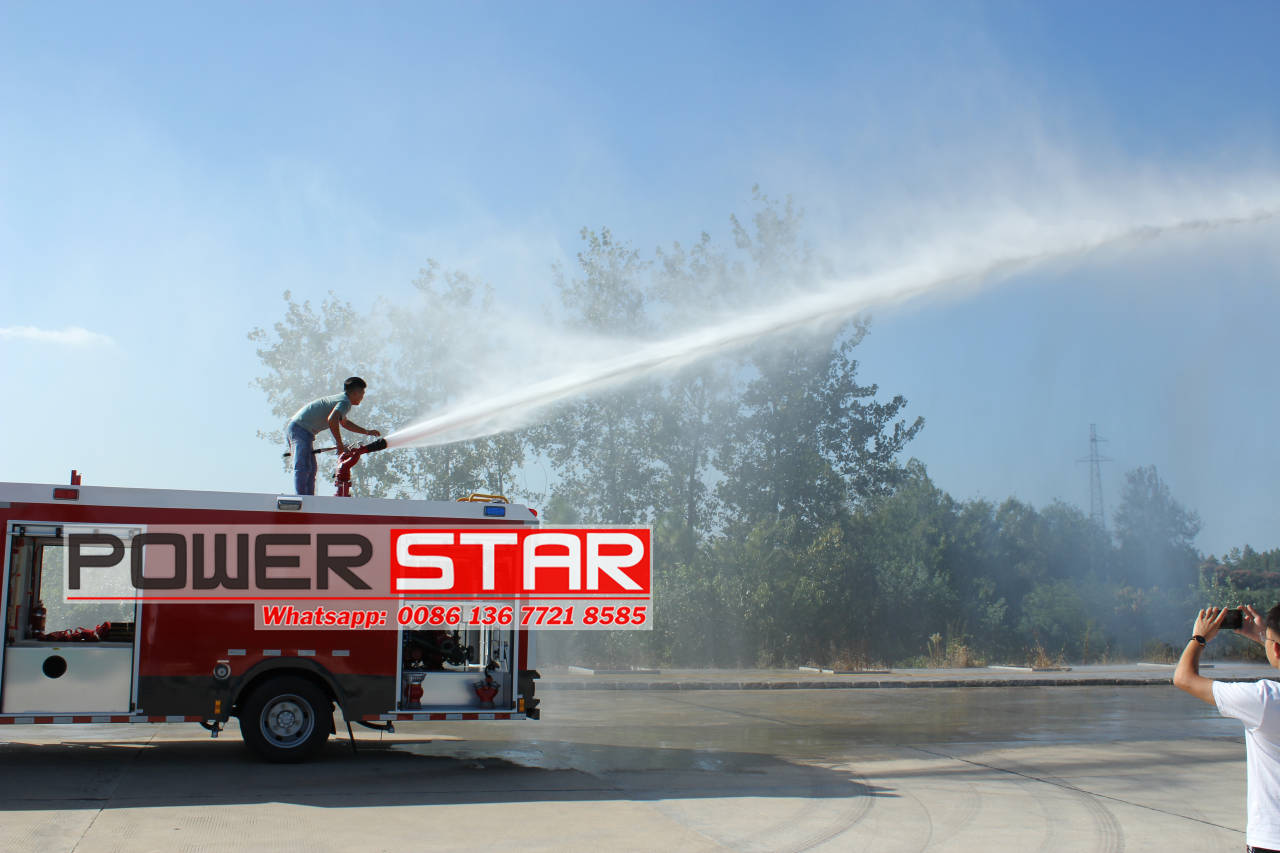
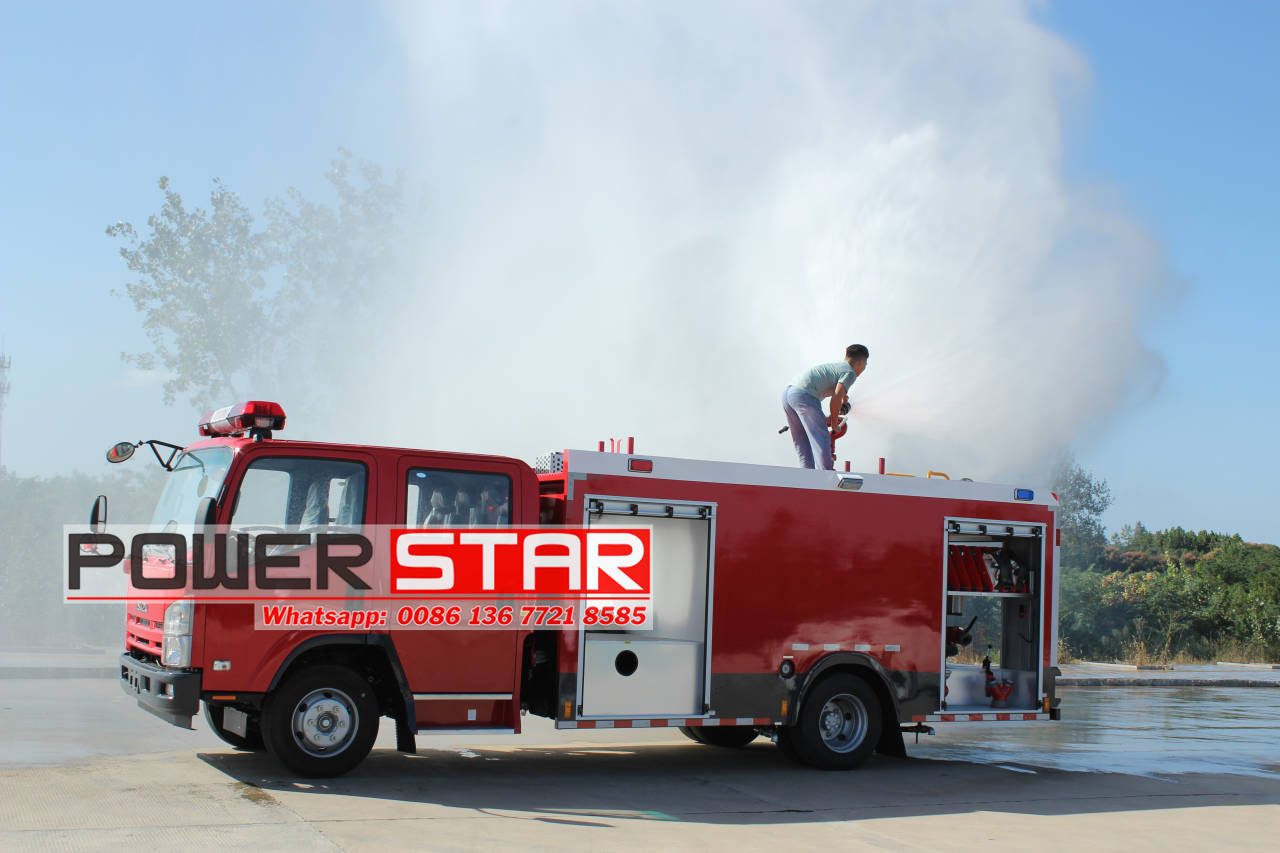
In the test, we used three water outlet methods: one water gun, two water guns and three water guns. When one water gun is discharging water, the water flow rate of the water gun is 24.370 cubic meters per hour, the pressure at the water outlet is 0.35 MPa, and the time required to pump a truck of water is 11 minutes 41 seconds 61. When two water guns are discharging water at the same time, the main line flow rate is 103.914 cubic meters per hour, the branch line flow rates are 27.461 cubic meters per hour and 23.539 cubic meters per hour respectively, the pressures at the water outlets of the two water guns are 0.3 MPa and 0.35 MPa respectively, and the time required to pump a truck of water is shortened to 6 minutes 46 seconds 09. When three water guns discharge water at the same time, the main line flow rate increases to 144.678 cubic meters per hour, the three branch line flows are 20.745 cubic meters per hour, 24.752 cubic meters per hour and 21.424 cubic meters per hour respectively, and the pressures of the three water gun outlets are 0.25 MPa, 0.24 MPa and 0.25 MPa respectively. At this time, it only takes 4 minutes and 26 seconds to pump a truck of water.
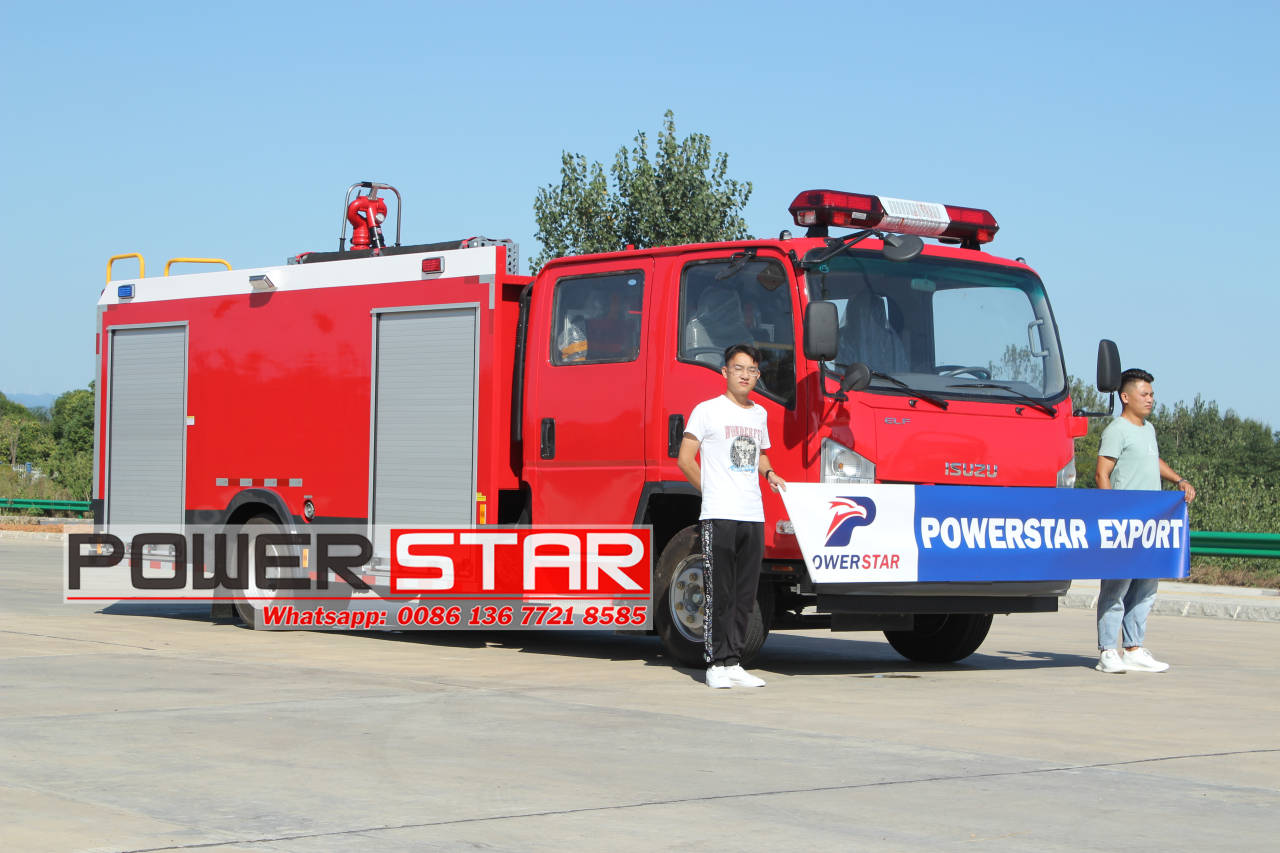
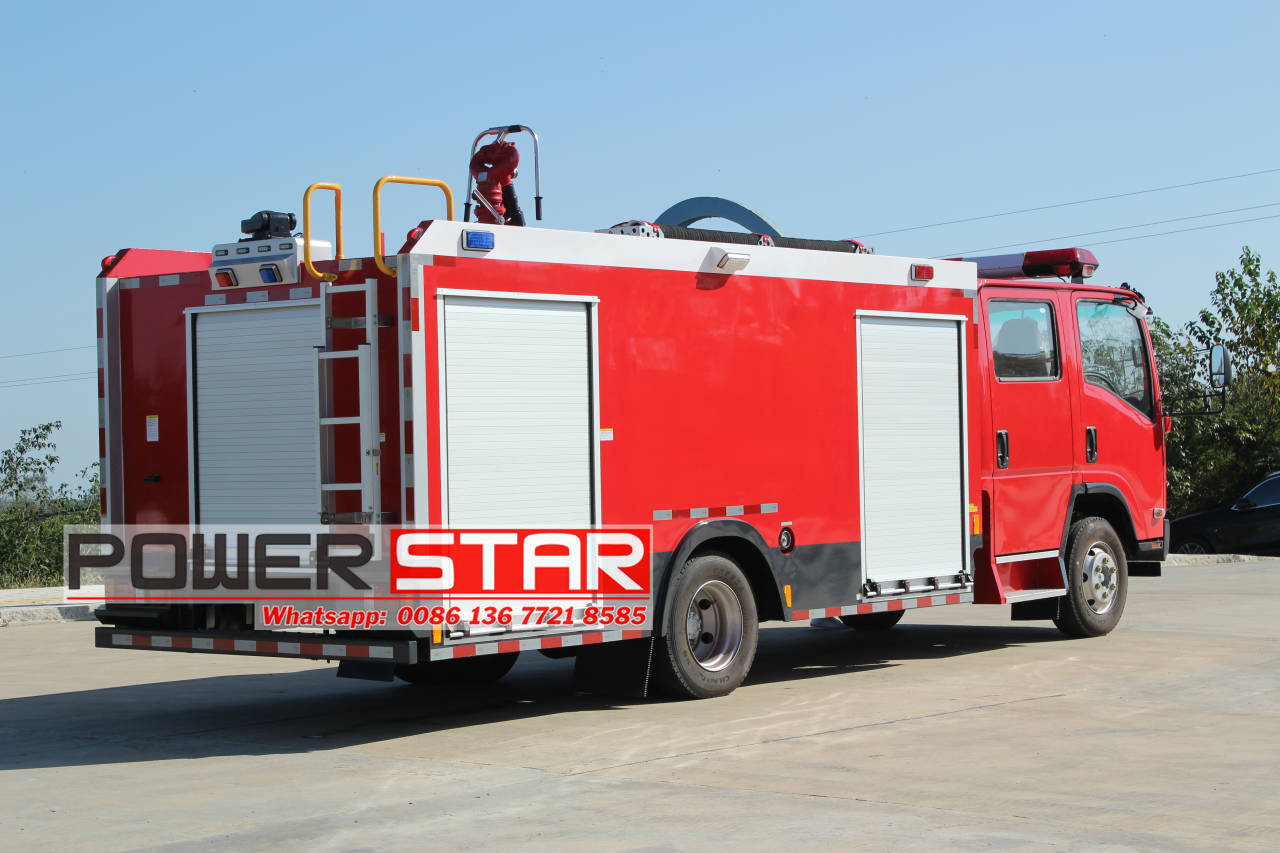
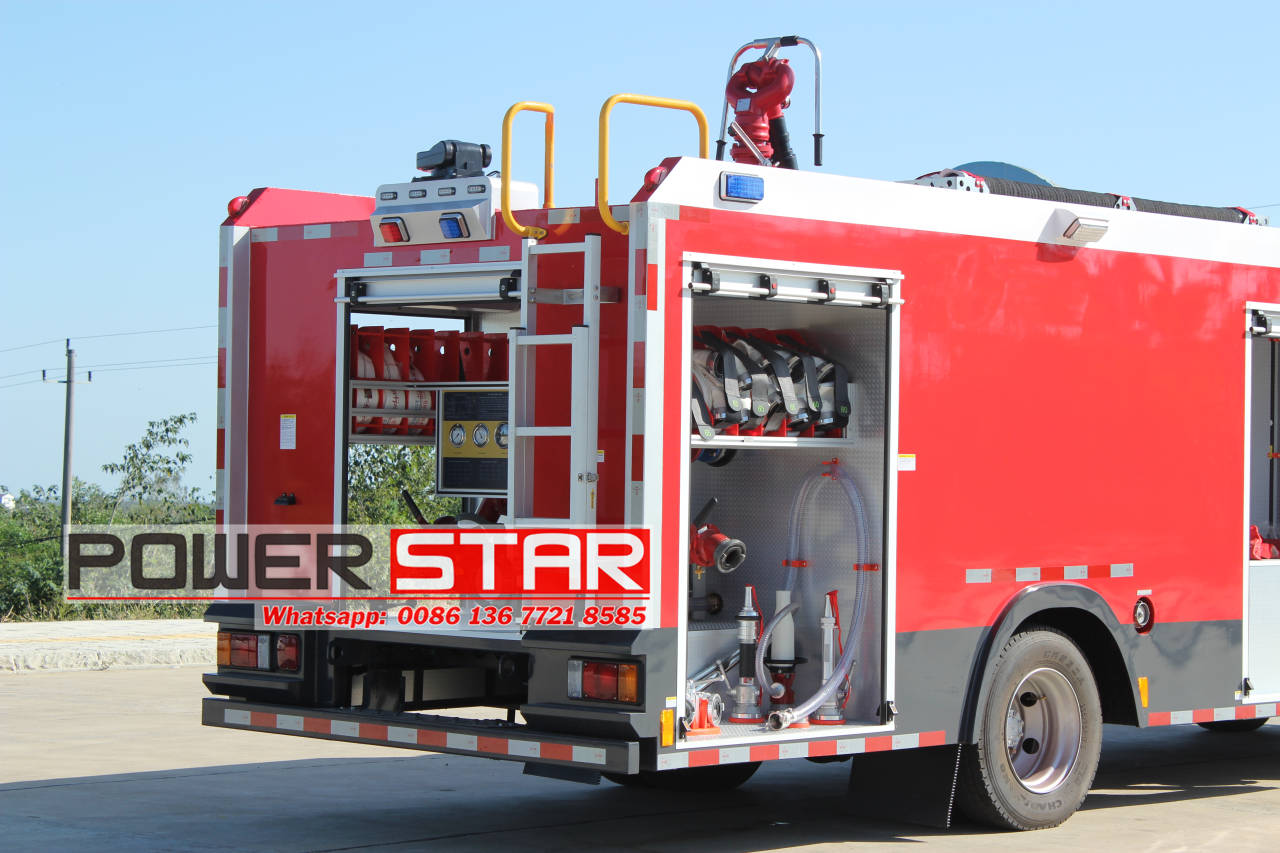
These test data show that as the number of water guns increases, the water flow rate of the fire truck also increases, thereby shortening the time required to pump a truck of water. However, it is worth noting that in actual firefighting and rescue, the stability and continuity of water supply also need to be considered. In the case of water supply from fire hydrants, one or two water guns can ensure uninterrupted water supply, but when three water guns are discharged, water supply interruption may occur.
In addition, this test also found some potential problems. For example, in the case of high water level, the water absorption performance of the vehicle may be affected to a certain extent, and there is a certain risk. Therefore, in daily maintenance, it is necessary to strengthen the inspection and maintenance of the water absorption system of fire trucks. At the same time, the body structure may rust after being soaked in water for a certain period of time, which also needs to be paid enough attention.
Through this test, we have a deeper understanding of the hydraulic performance of Isuzu water tank fire trucks under different conditions. These data not only provide a scientific basis for the repair and maintenance of fire trucks, but also provide an important reference for firefighters to reasonably arrange water gun positions and maximize their role in fire fighting and rescue. In the future, we will continue to pay attention to the performance testing of fire truck equipment, and continuously improve the safety and reliability of fire trucks through technological innovation and accumulation of practical experience. 1. Preparation before testing
Before conducting the hydraulic performance test of the fire truck, the following preparations need to be made:
1. Check the spare parts of the fire truck to ensure that there will be no failure during the test.
2. Clean the nozzle and hose to ensure smooth water flow.
3. Confirm the test site to ensure the safety of the test equipment and testers.
4. Check the condition of the test instruments, such as water meters, pressure gauges, etc.
2. Test process
1. Test water flow
Connect the nozzle and hose of the fire truck, turn on the water pump of the fire truck, and adjust it to the water flow to be tested. During the test, attention should be paid to the measurement time, which is generally set to 5~10 minutes. Record the test results.
2. Test water pressure
Connect the pressure gauge, turn on the water pump of the fire truck, and adjust the water pressure. Similarly, the test time should be set to 5~10 minutes, and the test results should be recorded.
3. Test head
Connect the head gauge, turn on the water pump of the fire truck, and place the nozzle at the specified height for testing. Similarly, the test time should be set to 5~10 minutes, and the test results should be recorded.
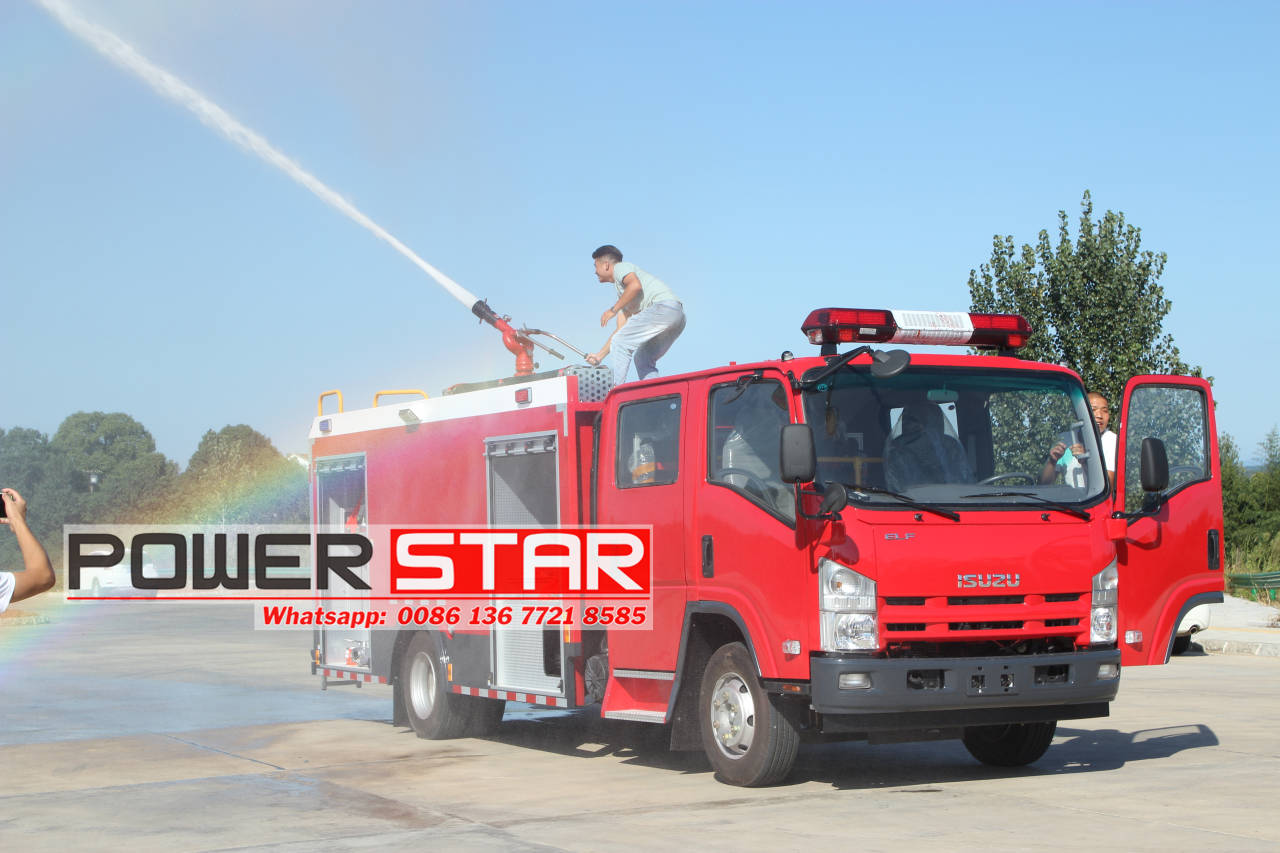
3. Test result analysis
Based on the test results, the following analysis is performed:
1. When the water flow test result is greater than or less than the design value, it may be due to pipeline blockage or hose aging, and needs to be repaired or replaced.
2. When the water pressure test result is greater than or less than the design value, it may be due to water pump or pipeline failure, and needs to be repaired or replaced.
3. When the lift test result is greater than or less than the design value, it may be due to improper nozzle position or hose aging, and needs to be adjusted or replaced.
Through the analysis of the test results, the performance problems of Isuzu water tank fire trucks can be discovered in time, and repairs and replacements can be carried out in time to ensure that the fire truck can play the greatest role in an emergency.
In short, the hydraulic performance test of Isuzu water tank fire trucks is an important part of ensuring the role of fire trucks. In terms of the operating process, it is necessary to follow the prescribed steps to ensure the accuracy and effectiveness of the test results.