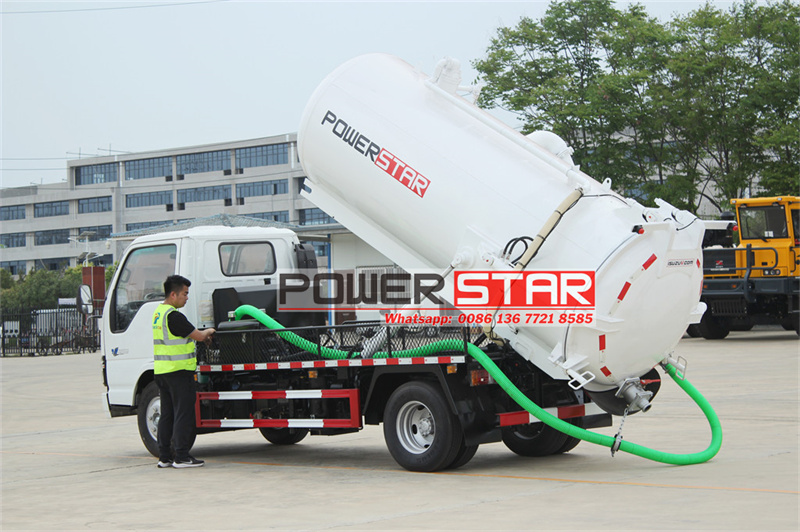
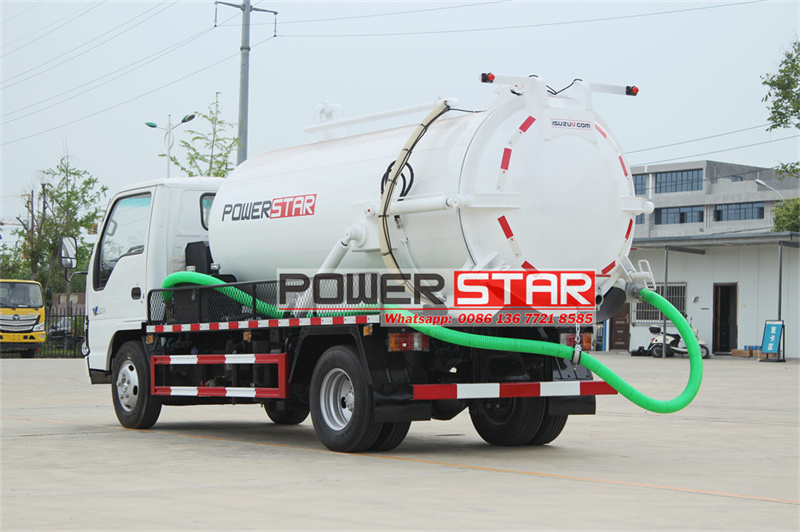
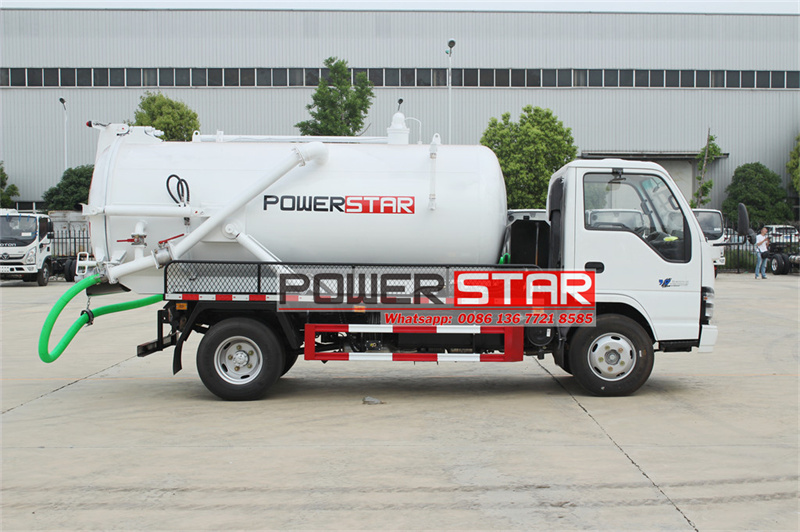
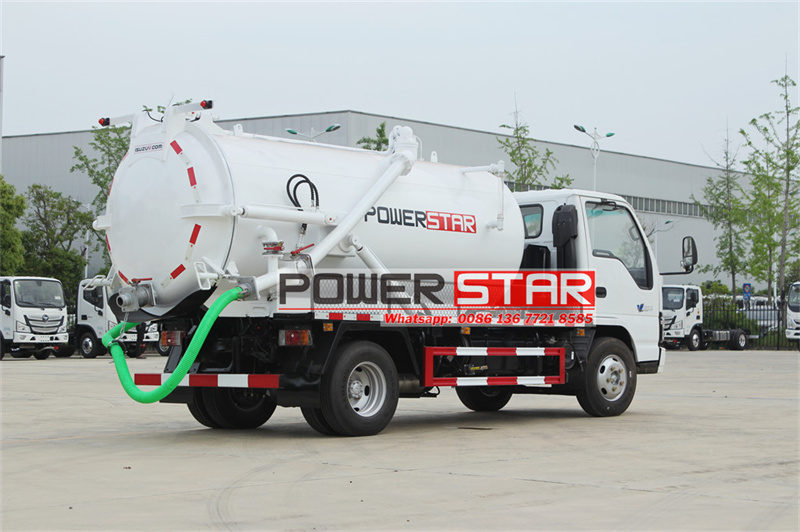
Isuzu sewage suction truck is also known as Isuzu vacuum sewage suction truck. It is mainly used for the suction, loading and unloading of mud, silt, gravel, bricks or petrochemical sewage pool sediments in urban rainwater wells, sewers and ditches. The Isuzu sewage tank truck is equipped with a high-power vacuum sewage suction pump, which can be self-priming and self-discharging. The discharge adopts self-discharging and pressure discharge. The sewage suction tank can be hydraulically lifted and self-unloaded, and the rear cover can be hydraulically opened. It has the characteristics of high vacuum, large tonnage, high efficiency and wide application.
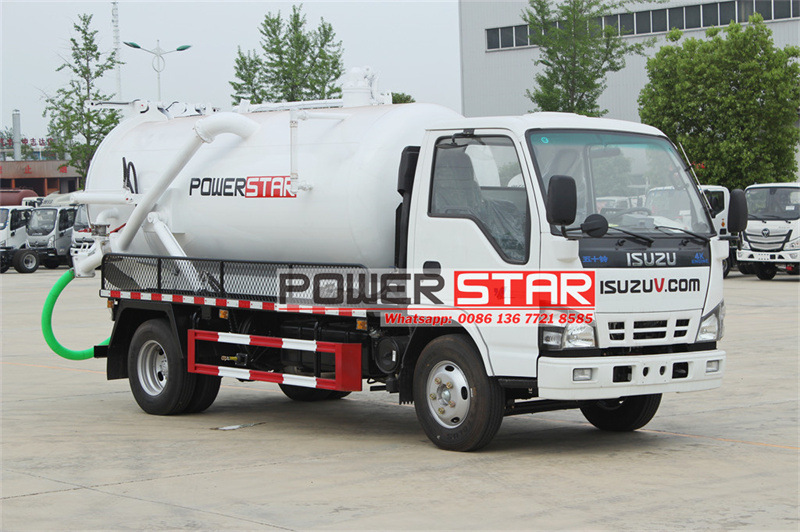
If customers want good operating performance, the most important part is to match a high-quality sewage suction pump. Among them, the most popular one is Moro pump. Let's learn about it together.
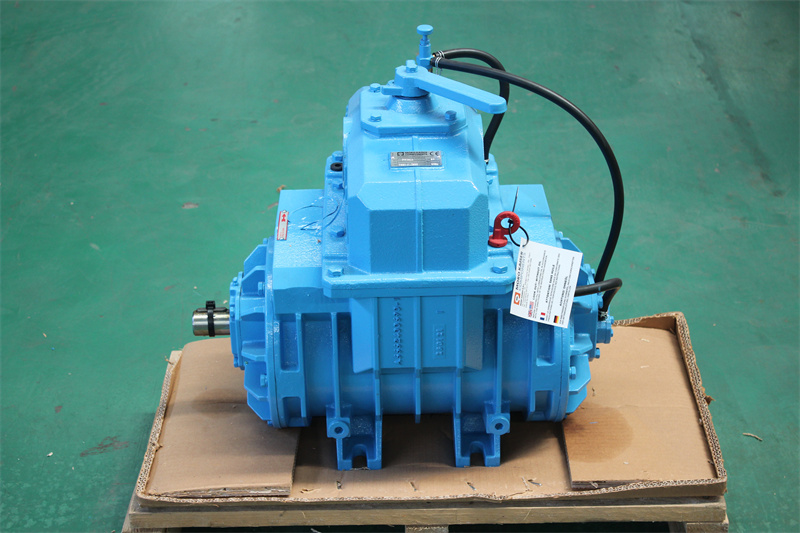
From the structural point of view, the Moro vacuum pump is mainly composed of pump body, rotor and shaft assembly, front and rear pump covers, vanes, slip rings, bearing covers and sealing devices. The rotor rotation center is eccentric to the center of the pump body, and the pump body is easy to disassemble and repair. When the eccentric rotor rotates, the vanes slide against the inner wall of the pump under the action of centrifugal force, and the volume of the suction studio gradually increases, and the pumped gas is sucked into it until the vanes turn to the end of suction and the suction gas is isolated. The rotor continues to rotate, the isolated gas is gradually compressed, and the pressure increases.
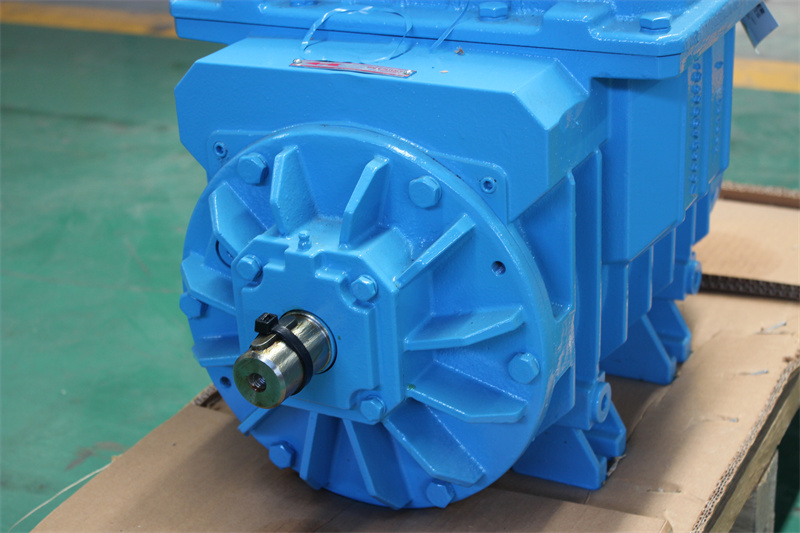
When the pressure exceeds the pressure of the exhaust port, the gas is discharged out of the pump. This cycle is repeated to remove the air in the container to form a vacuum. For the installation and use of the sewage suction pump, maintenance is also very important.
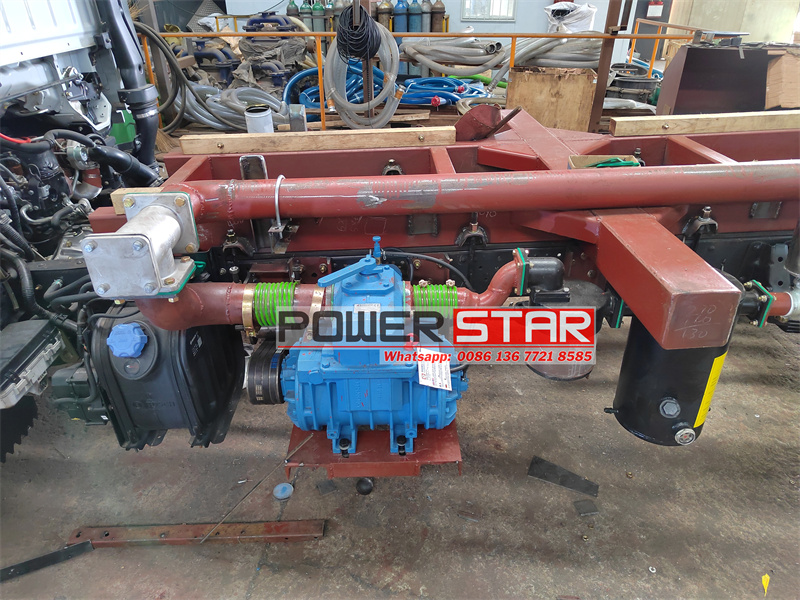
The following are the factory's 20 years of work experience, you can briefly understand:
1. Use a suitable rack or angle iron to install the pump under the car beam. The height, left and right, front and back of the pump are determined by the axis of the power take-off output shaft. Try to get close to the power take-off and the beam without interfering with the parts of the car beam. The connection inclination between the pump shaft and the power take-off output shaft shall not exceed 7 degrees.
2. The suction port system pipeline is strictly prohibited from leaking, otherwise it will affect the vacuum degree. The exhaust pipe should also be leak-free to prevent vacuum oil from being discharged, polluting the environment, and wasting energy.
3. Since this pump is an oil-sealed pump, it must have enough oil during normal operation, and the oil level should be in the middle of the oil window of the secondary oil-gas separator. In some areas, refrigeration oil should be used in the cold winter season. The oil plays a role in sealing gaps and lubrication, but the oil in the pump will also be taken out of the pump when exhausting. Therefore, it is necessary to install a primary and secondary oil-gas separator on the outside of the exhaust port to fully separate the oil and gas, and the oil is recovered for the pump to circulate, and the gas is discharged into the atmosphere, so that the pump can run smoothly and achieve the purpose of pollution-free and energy-saving.
Notes:
1. No leakage is allowed in the pipeline, otherwise the fecal suction truck will not work, and the pipeline must be cleaned, especially the suction pipe.
2. The barrel needs to be installed with an overflow prevention device, otherwise it is easy to suck fecal sewage into the vacuum pump during use, damaging the entire system.
3. The return oil port of the primary oil-gas separator and the return oil port of the secondary oil-gas separator must be connected with a hard pipe or a hard oil-resistant rubber pipe (steel wire braided hose). Plastic pipes that are easily deformed by heat are not allowed.
4. The oil suction port of the secondary oil-gas separator should be connected to the oil suction port of the bearing cover at both ends of the vacuum pump. It is not allowed to connect the oil suction port on only one end of the bearing cover; make the center position of the oil sight glass of the secondary oil-gas separator lower than the oil suction port at both ends of the vacuum (to avoid excessive oil suction and oil spray), and the outlet should be at least 200mm lower than the four-way valve.
5. For vacuum pumps with water cooling, a 30-mesh filter should be installed at the inlet of the water circulation pump. A water-gas separator should be installed at the pump suction port. Our factory has primary and secondary oil-gas separators, four-way valves, water-gas separators with check valves and overflow prevention devices, 96mm and 130mm suction pipe turntables, and check valves for matching use, which are priced independently.