The PLC (Programmable Logic Controller) control system of the Isuzu brand compression garbage truck is the core part of its automated operation, which greatly improves the operating efficiency and safety of the garbage truck. The following is a detailed explanation of the working principle of the PLC control system on the compression garbage truck:
1. The basic composition of the PLC control system
The PLC control system is mainly composed of input modules, microprocessors, output modules and other parts. The input module is responsible for receiving signals from various sensors, switches and other devices, such as temperature sensors, pressure sensors, limit switches, etc.; the microprocessor is the core of the PLC, responsible for performing logical operations, mathematical operations and other processing on the input signals according to the program written by the user; the output module is responsible for converting the processed signals into corresponding switch or analog signals to control the action of the field equipment.
2. The working principle of the PLC control system
The working principle of the PLC control system is mainly divided into the following stages:
Input sampling stage: The PLC reads all input states and data in sequence in a scanning manner and stores them in the corresponding units in the I/O image area. At this stage, the PLC will collect and process the input signals and convert them into digital signals for subsequent program execution.
User program execution phase: PLC performs logical operations, mathematical operations and other processing on the signals in the input register according to the program written by the user. The user program describes the control logic and operation steps that the PLC needs to perform. During the execution of the program, the PLC will execute each instruction in the order of the program, process the input signal, and update the value of the internal register according to the processing result.
Output refresh phase: After program processing, the PLC sends the output signal to the output module. The output module converts the digital signal into the corresponding switch quantity or analog quantity signal to control the action of the field equipment. At this stage, the PLC will update the value in the output register to the output module, and the output module will drive the corresponding external device according to these values, thereby realizing the control of the production process.
Cyclic scanning: The working process of the PLC is cyclic scanning. In each scanning cycle, the PLC completes the three stages of input sampling, user program execution and output refresh in sequence. The scanning cycle is usually at the millisecond level, so the PLC has a high real-time performance. After a scanning cycle is completed, the PLC will immediately start the next scanning cycle and repeat the above process continuously to achieve continuous monitoring and control of the production process.
Fault diagnosis: PLC has fault diagnosis function, which can monitor its own working status and the status of on-site equipment in real time. When an abnormality is detected, PLC will send out an alarm signal and take corresponding protective measures to ensure the safe and stable operation of the system.
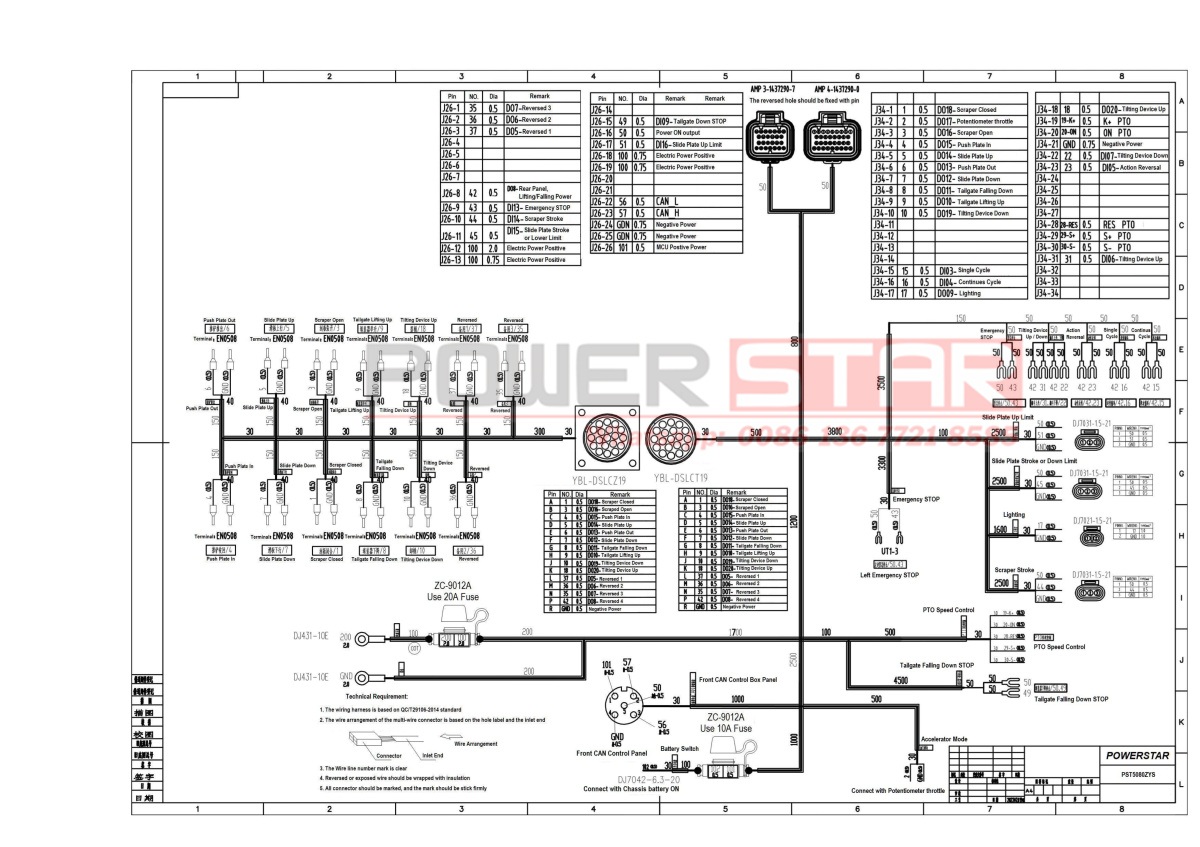
3. Application of PLC control system in compression garbage truck
On compression garbage truck, PLC control system mainly completes the following tasks:
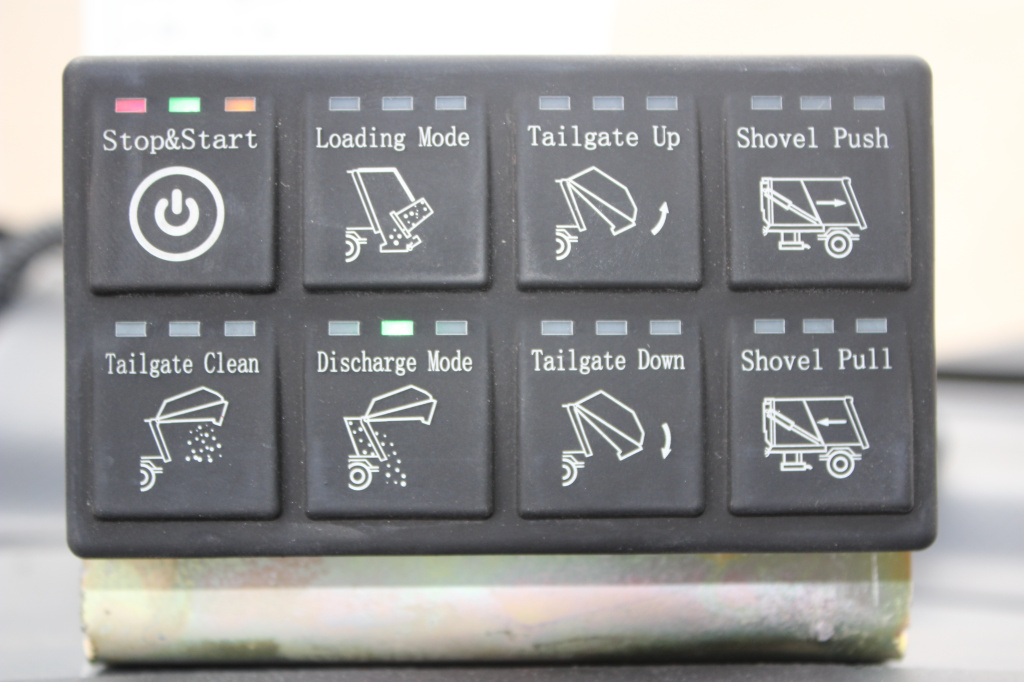
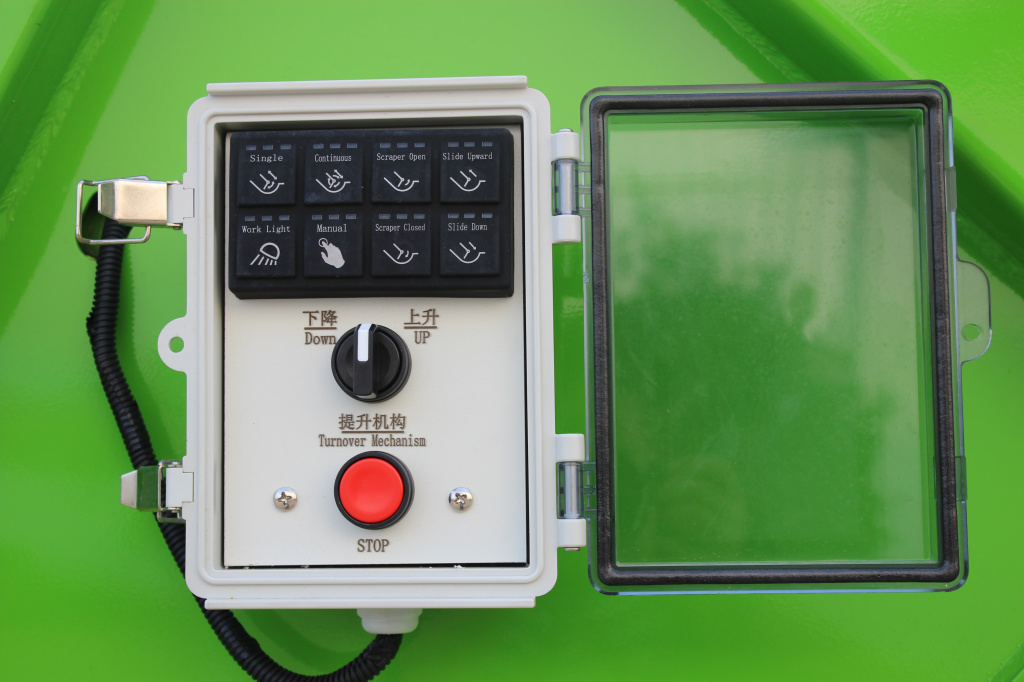
Control the action of garbage truck: PLC control system controls the action of compression filling cycle, bucket lifting cycle, filler opening, unloading, etc. according to the action requirements of garbage truck operation process. These actions are realized by hydraulic system. PLC control system controls the flow direction and flow of hydraulic oil by controlling the switch of solenoid valve, so as to control the execution of each action.
Detection of action position and connection: PLC control system uses proximity switch and other sensors to detect the position of each action, and controls the connection of action according to the detected position information. For example, in the filling cycle, when the scraper is opened in place, the proximity switch will send a signal to the PLC control system, and the PLC control system will control the pressing plate to press down, so as to realize the automation of filling cycle.
Abnormal situation handling: During the compression and filling cycle and the bucket lifting cycle, if an abnormal situation occurs, such as overloading, blockage, etc., the PLC control system will receive the corresponding signal and immediately stop the current action, and at the same time activate the brake button to automatically return the action in sequence to ensure the safety and stable operation of the garbage truck.
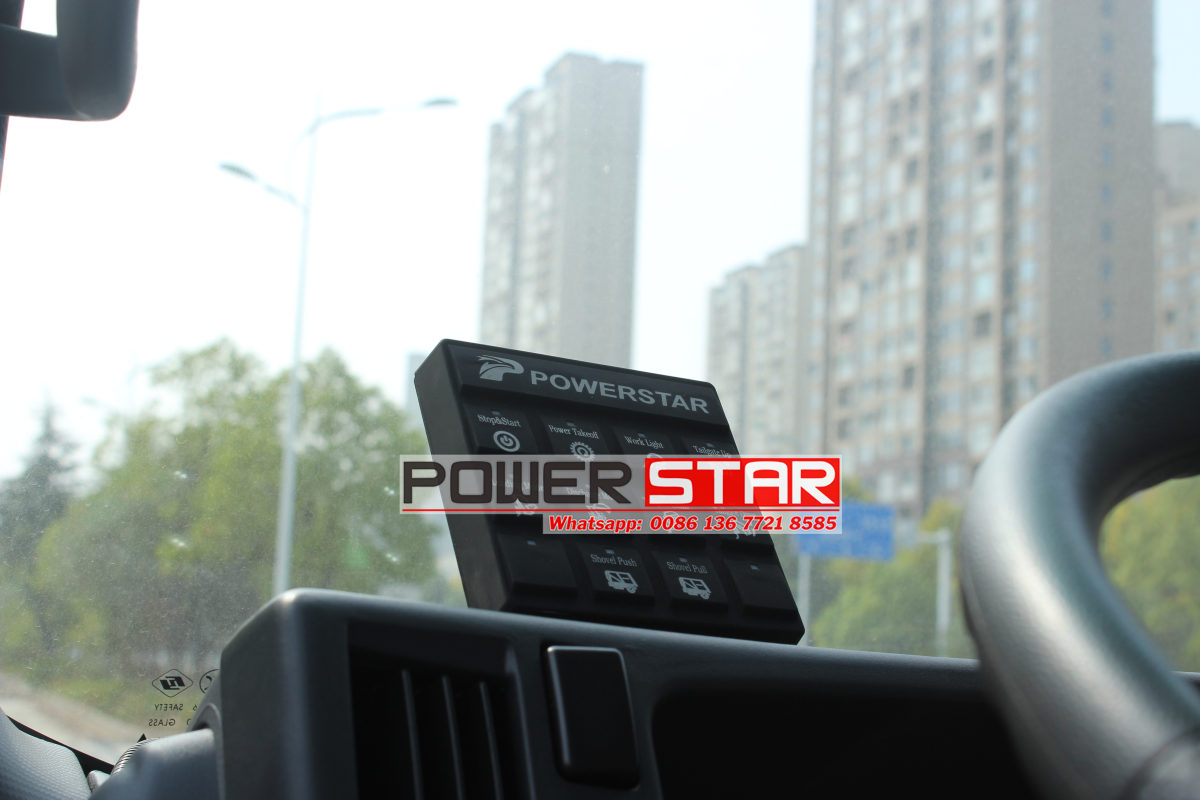
Provide operational convenience: The PLC control system makes the operation of the garbage truck easier and more efficient. The operator can operate and control the garbage truck both in the cab and at the rear of the vehicle, which greatly improves the flexibility and convenience of operation.