How to test dry powder system of Isuzu dry poweder fire trucks?
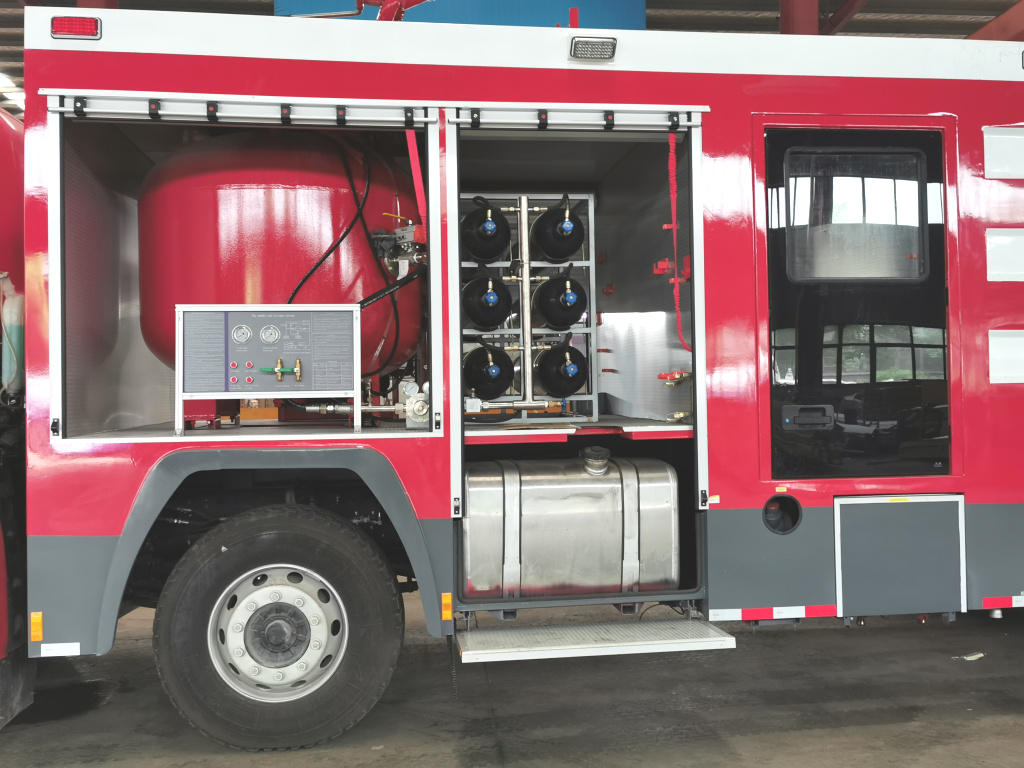
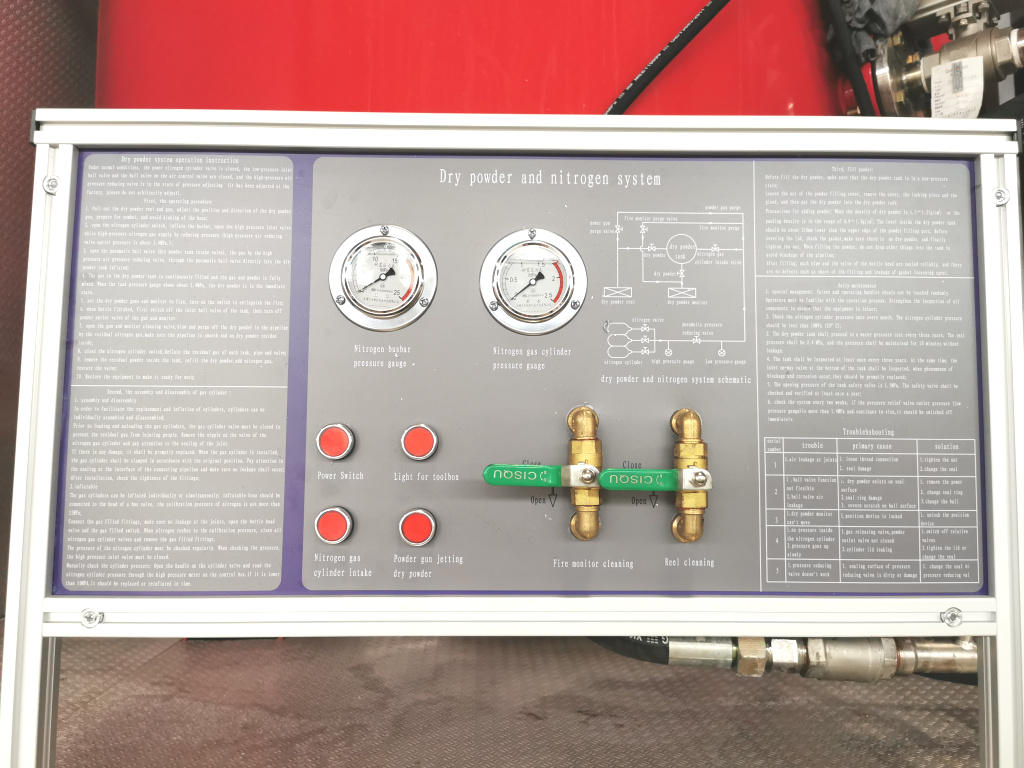
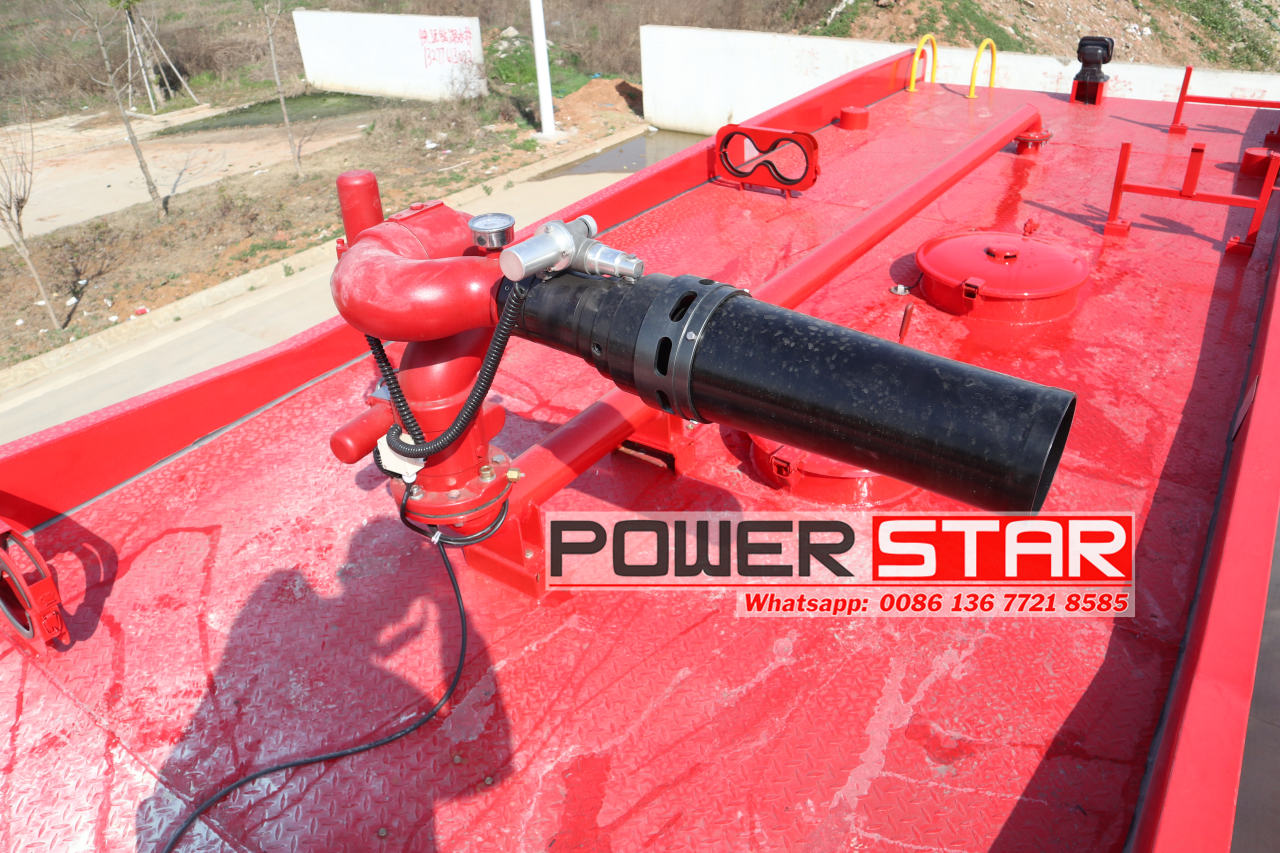
Japan Isuzu giga Dry powder fire truck is an important equipment in the field of fire fighting, and its core lies in its efficient dry powder fire extinguishing system. This system mainly consists of two parts: automatic control part and dry powder fire extinguishing equipment. The automatic control part includes fire detectors, starter bottles, alarms, etc., which are responsible for responding quickly when a fire occurs and starting the fire extinguishing process. The dry powder fire extinguishing equipment part includes dry powder storage tanks, power cylinders, pressure reducing valves, delivery pipes, dry powder nozzles, etc. These components work together to spray dry powder fire extinguishing agents quickly and accurately onto the fire source to achieve the fire extinguishing effect.
For the dry powder system of dry powder fire trucks, testing is a necessary link to ensure its reliable performance and can play a role at critical moments. Testing the dry powder system mainly includes the following steps:
1. System debugging and inspection
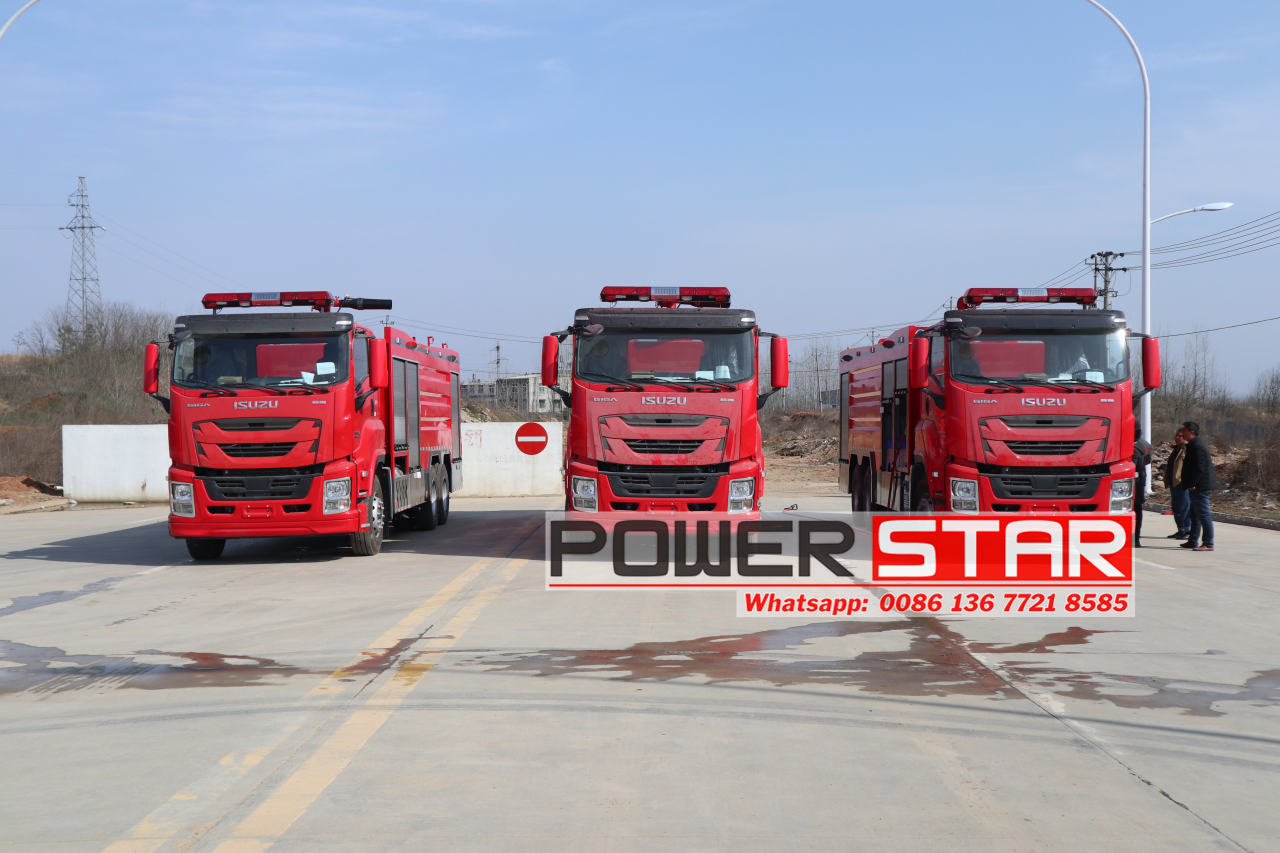
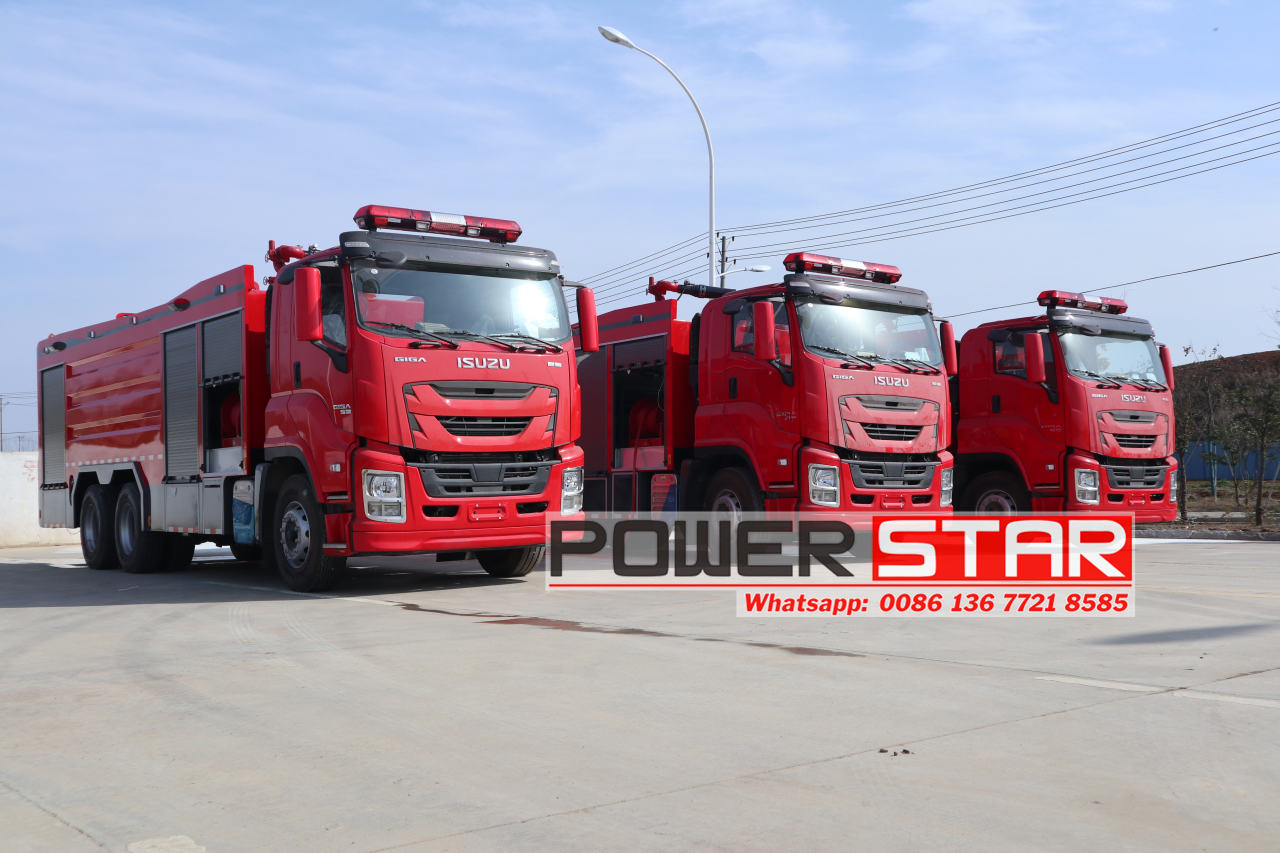
Before testing the dry powder system, you first need to debug and inspect the system comprehensively. This includes checking the automatic control parts such as fire detectors, starter bottles, and alarms to ensure that they can work normally and respond to fire signals in a timely manner. At the same time, it is also necessary to check the fire-fighting equipment such as dry powder storage tanks, power cylinders, pressure reducing valves, delivery pipes, dry powder nozzles, etc. to ensure that they are not damaged, blocked or leaking.
2. Simulated start-up test
The simulated start-up test is an important means to test whether the dry powder system is installed correctly and whether the components are reliable. In the test, by simulating the fire signal, observe whether the control system can accurately receive the signal and start the drive device. At the same time, it is also necessary to check whether the action mechanism such as the start valve can work normally to ensure that the fire extinguishing process can be quickly started in a real fire.
3. Simulated spraying test
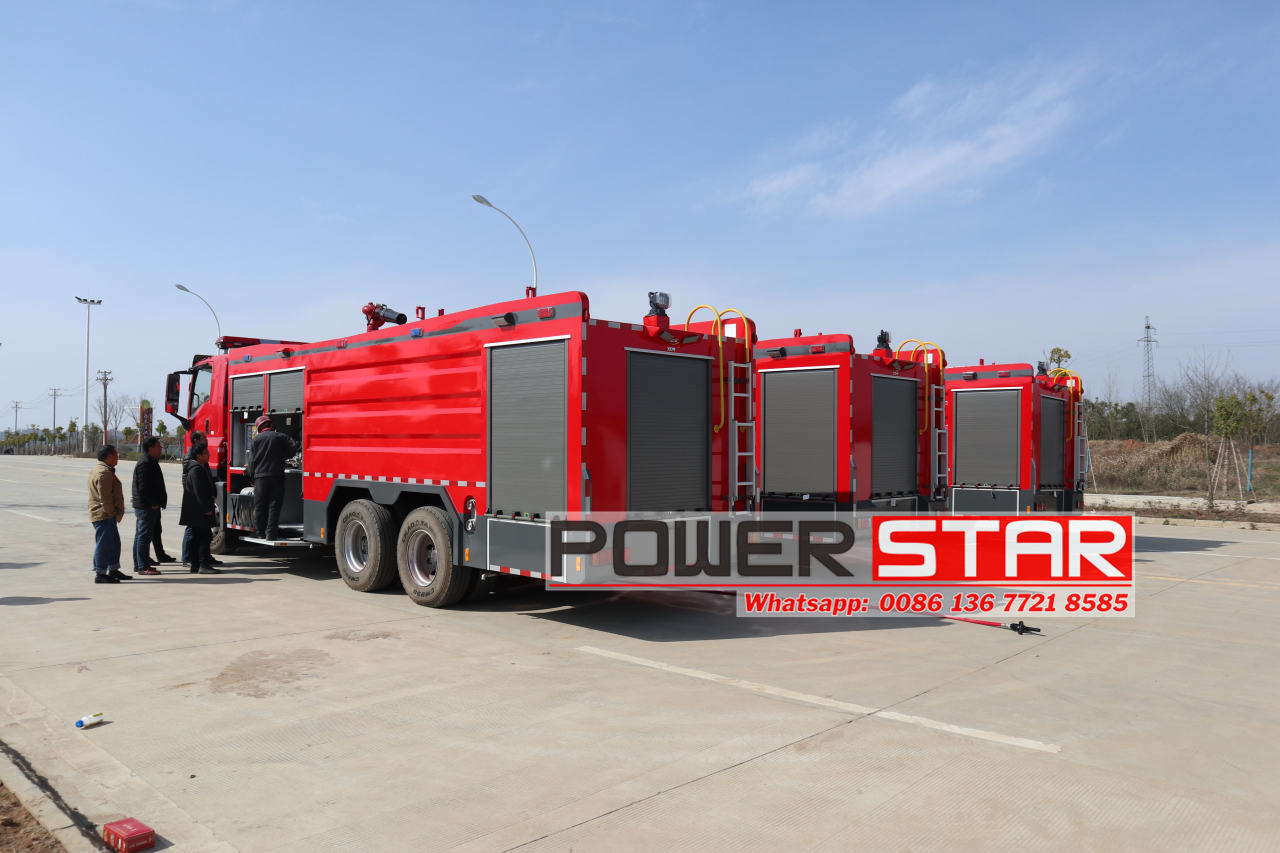
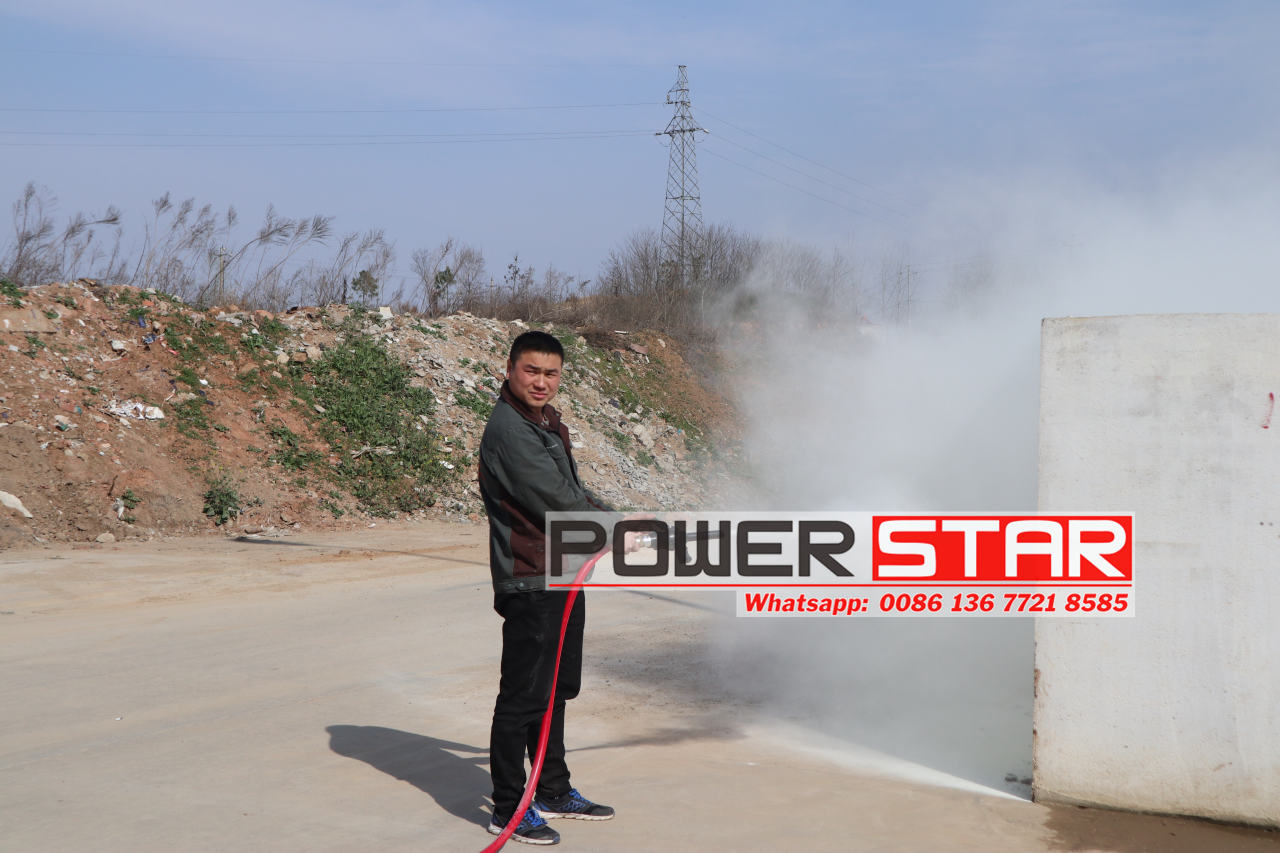
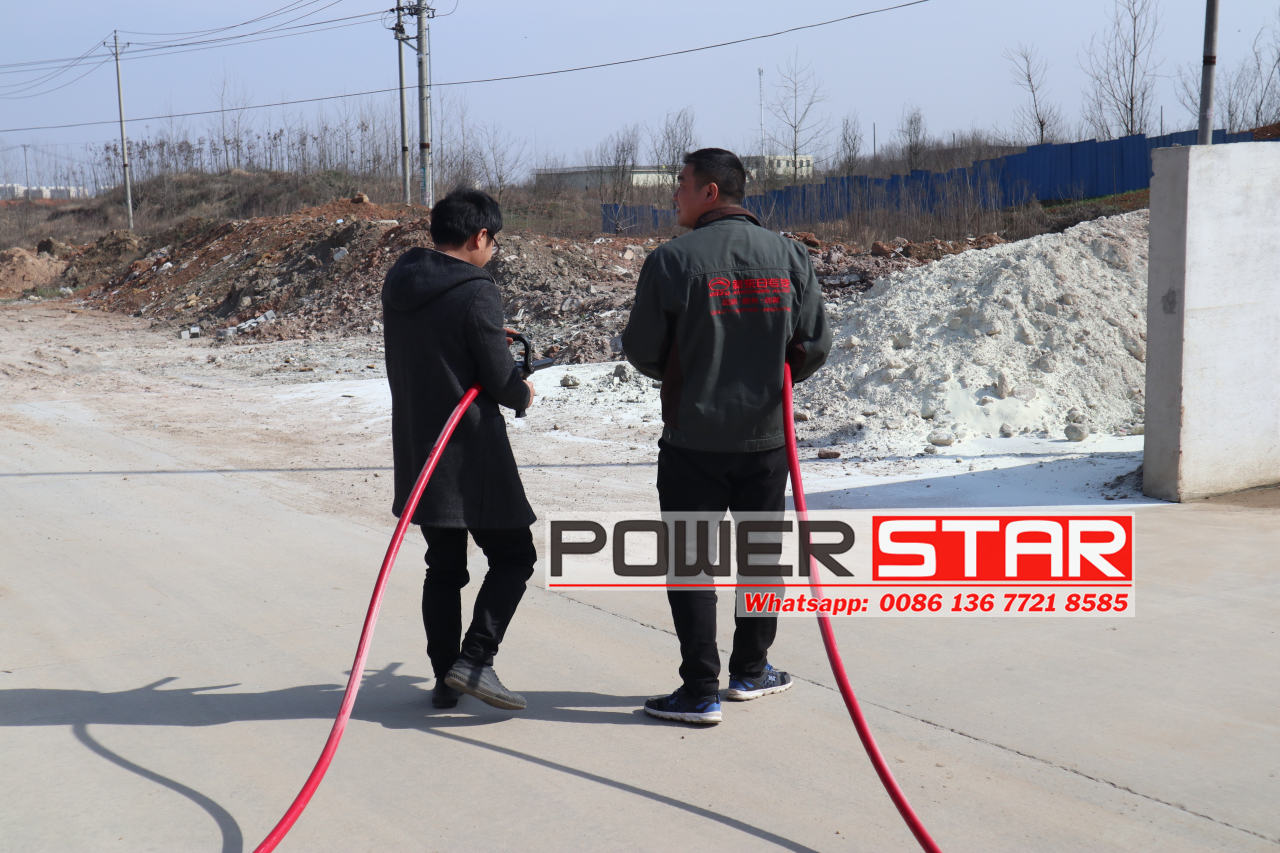
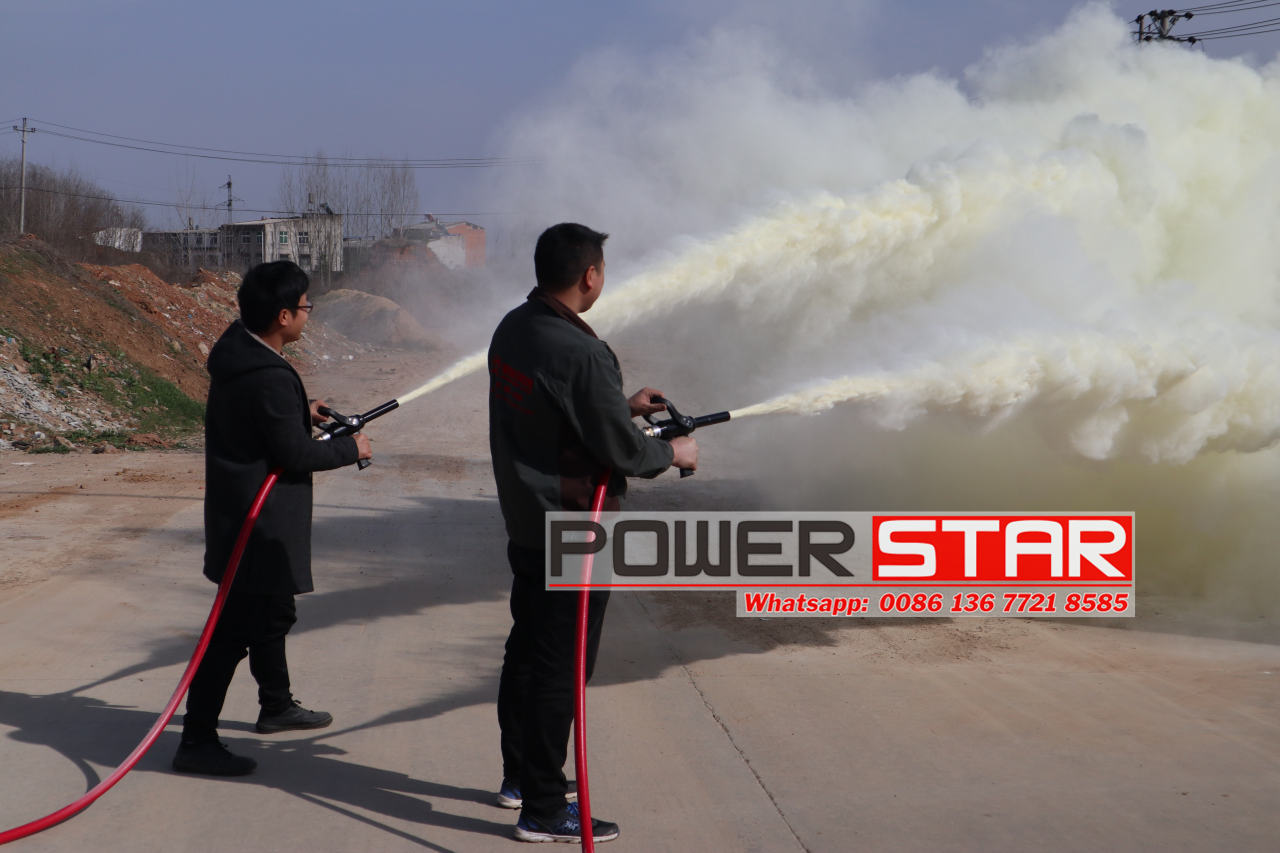
The simulated spraying test is a key step in testing the action sequence, action reliability and correctness of the dry powder system. In the test, by simulating the real fire scene, observe whether the dry powder fire extinguishing agent can be accurately sprayed onto the fire source according to the set order and path. At the same time, it is also necessary to check whether the feedback signal is accurate and whether there is leakage in the pipeline connection.
4. Air tightness test
The air tightness test is an important link in testing whether the dry powder system is tight and leak-free. In the test, by filling the dry powder system with a certain pressure of gas, observe whether the system has leakage. At the same time, it is also necessary to check whether the pressure reducing valve, delivery pipe and other components can withstand the set pressure to ensure that the integrity of the system can be maintained in a real fire.
In summary, testing the Isuzu dry powder system of a dry powder fire truck is a complex and meticulous process that requires professional technicians to operate. Through comprehensive debugging, simulated start-up tests, simulated spray tests and air tightness tests, it can be ensured that the dry powder system can achieve the maximum fire extinguishing effect at critical moments and provide strong support for firefighting work.