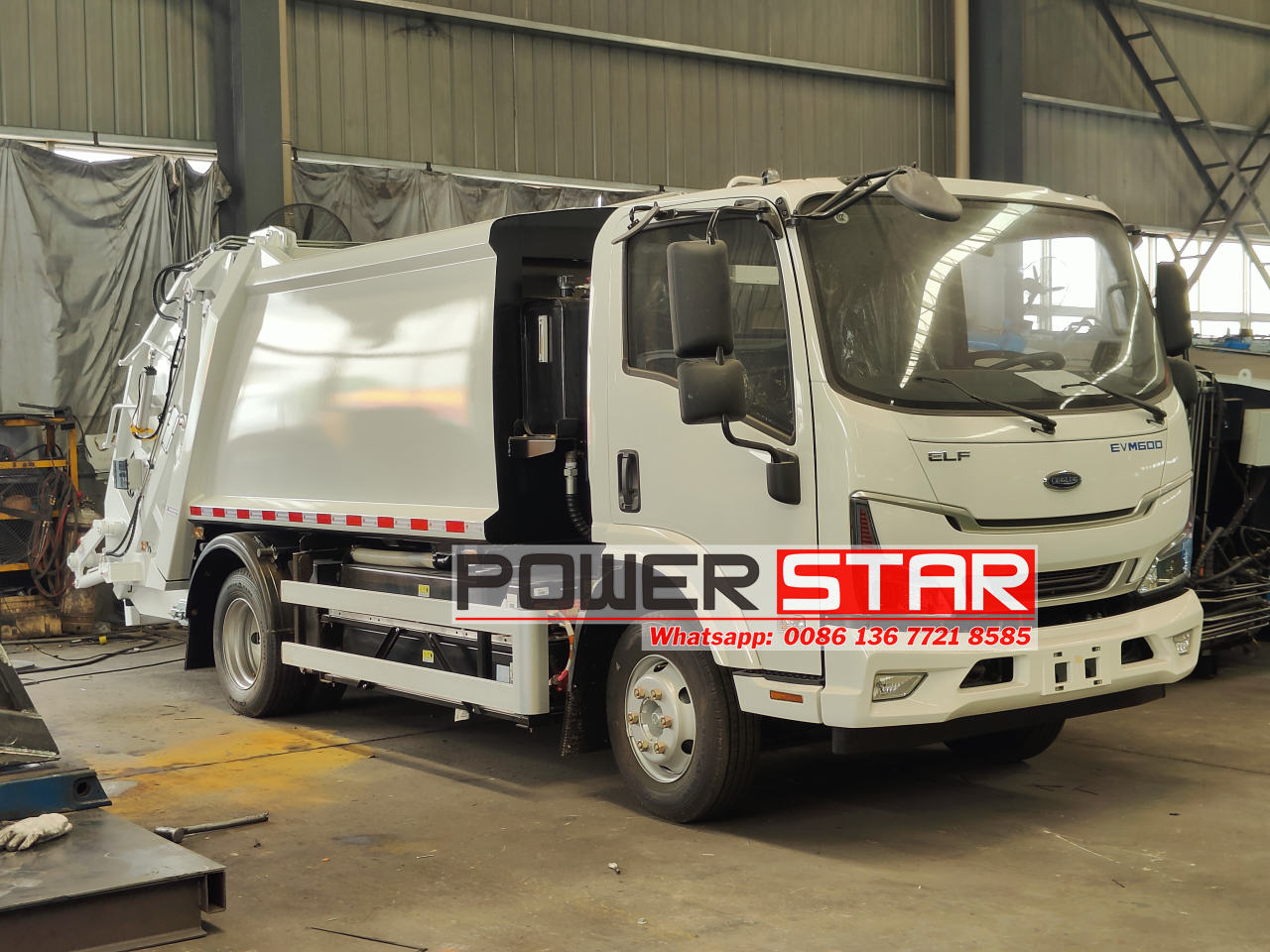
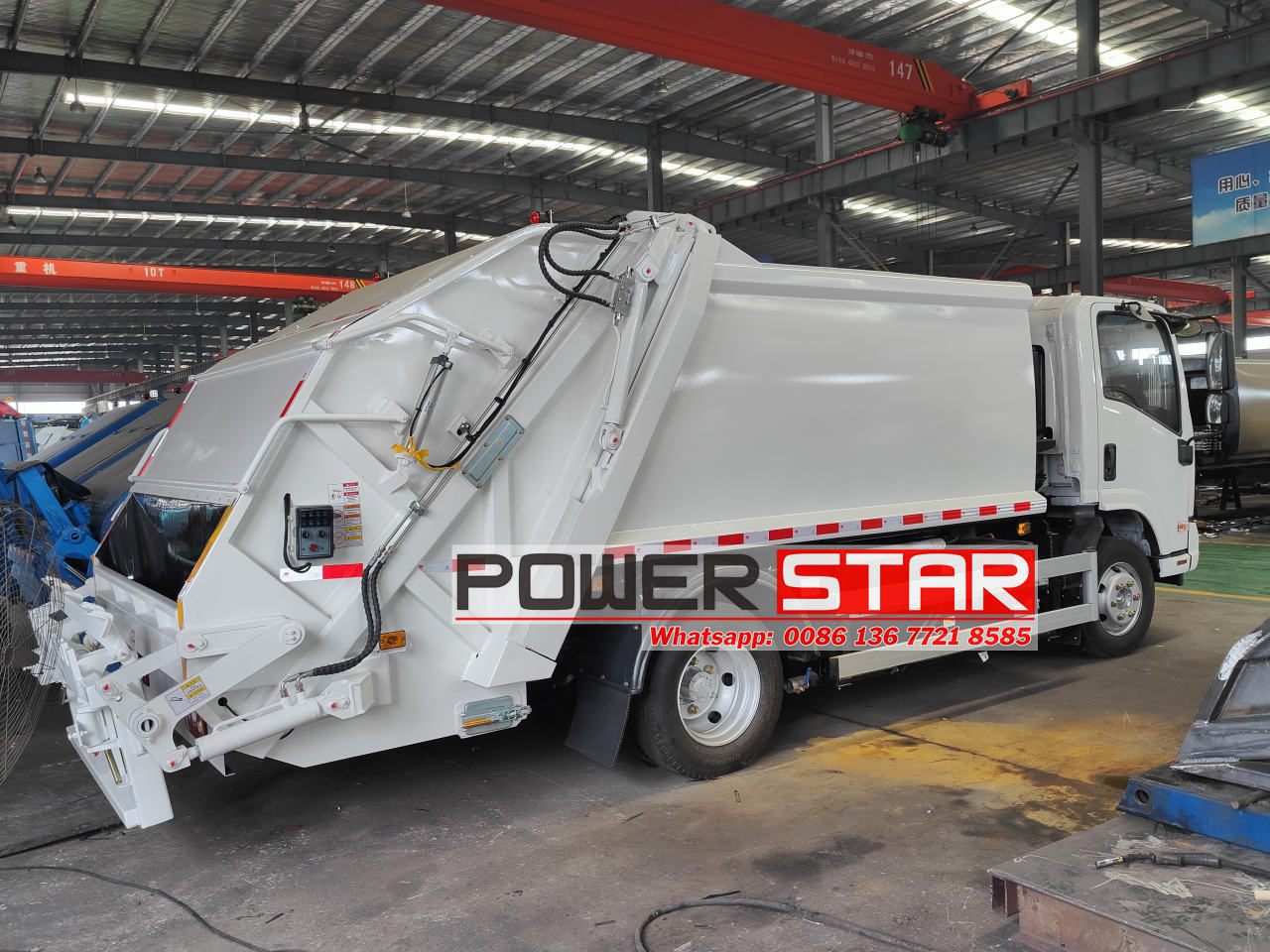
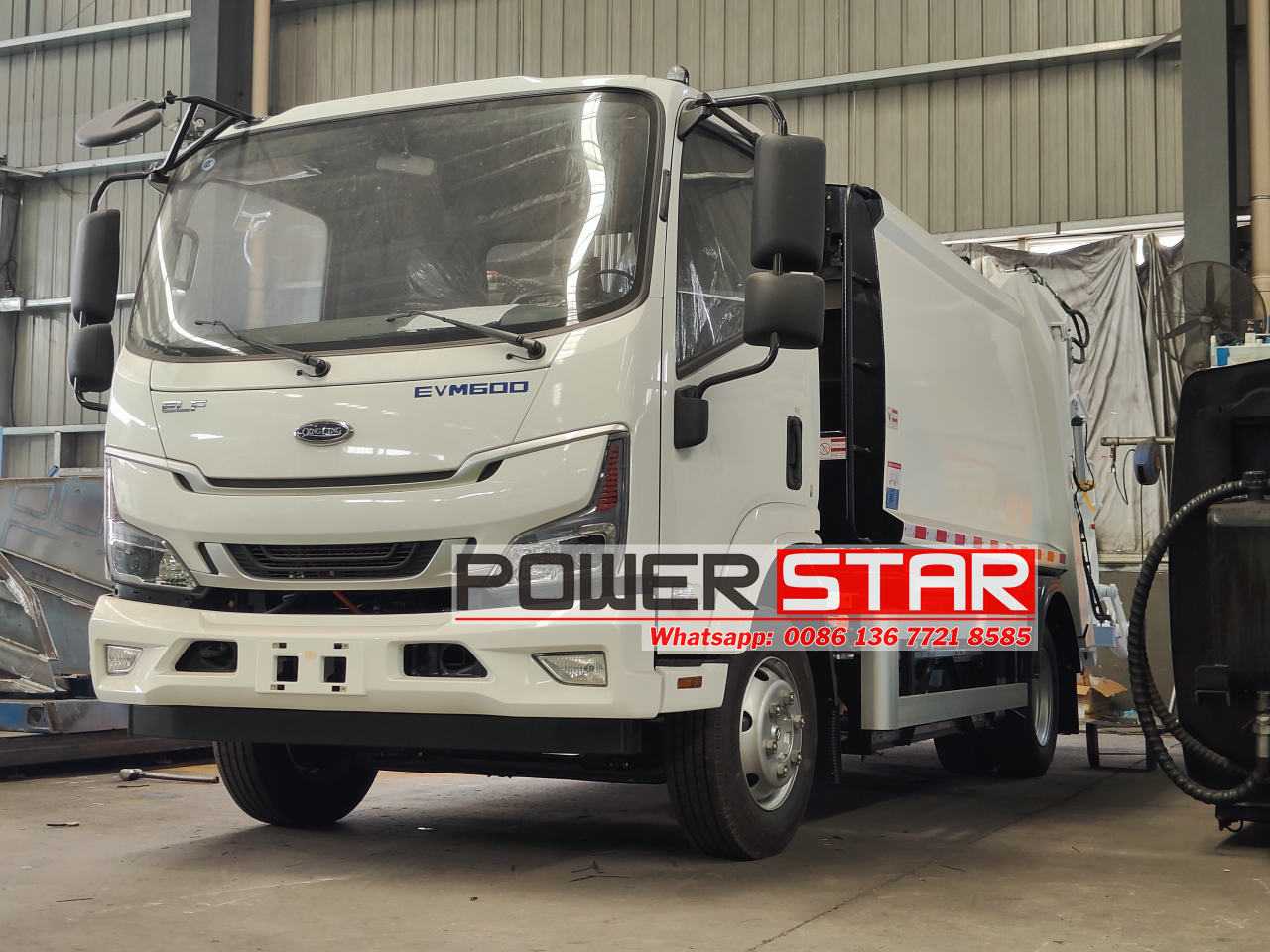
Isuzu Electric refuse compactor truck, also named Isuzu electric trash truck, or Isuzu new energy refuse compactor truck or Isuzu electric garbage truck with compactor, The development trend of Isuzu electric compression garbage trucks shows a positive trend, which is mainly due to the improvement of environmental awareness, technological progress and policy support.
First of all, from the perspective of environmental protection, Isuzu electric compression garbage trucks, with their zero emissions and low noise characteristics, effectively reduce urban air pollution and noise pollution, and improve the quality of urban environment. With the increasingly severe global climate change problem, environmental protection has become the focus of attention of governments and all sectors of society. Therefore, as an environmentally friendly sanitation equipment, the market demand for Isuzu electric compression garbage trucks will continue to grow.
Secondly, technological progress provides strong support for the development of Isuzu electric compression garbage trucks. Modern Isuzu electric compression garbage trucks not only have efficient compression functions, which can greatly compress the volume of garbage and increase the loading capacity of a single transport, but are also equipped with intelligent control systems that can monitor key parameters such as vehicle operating status, battery power and compression efficiency in real time to ensure the safe and stable operation of the vehicle. In addition, with the continuous maturity of new energy vehicle technology, the endurance and charging speed of electric compression garbage trucks have also been significantly improved.
Finally, policy support is also an important driving force for the development of Isuzu electric compression garbage trucks. In order to promote the development of the new energy vehicle industry, governments of various countries have introduced a series of preferential policies, such as car purchase subsidies and exemption from purchase tax, which have reduced the cost of car purchase for users. At the same time, the government has also increased its support for the environmental protection industry, providing a strong guarantee for the development of electric compression garbage trucks.
In summary, the development trend of Isuzu electric compression garbage trucks shows a positive trend. In the future, with the continuous advancement of technology and the continuous support of policies, electric compression garbage trucks will play a more important role in the field of urban waste treatment and contribute to the sustainable development of cities.
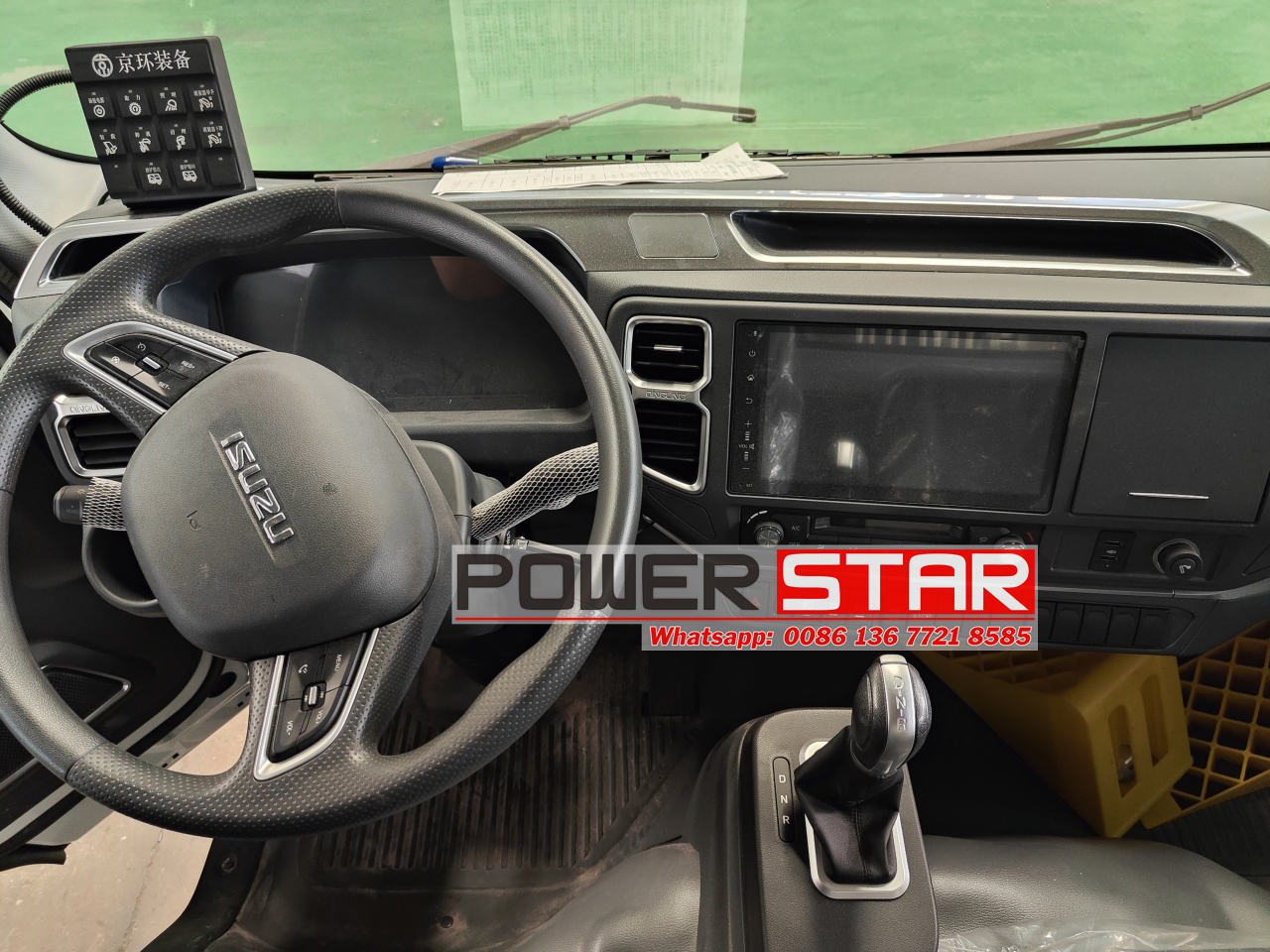
Why is the Isuzu electric compression garbage truck popular?
The main reasons are as follows: First, the Isuzu electric compression garbage truck has good environmental benefits. The Isuzu electric compression garbage truck achieves zero tail gas emissions during operation, which can effectively reduce the concentration of pollutants in urban air and improve the quality of urban environment.
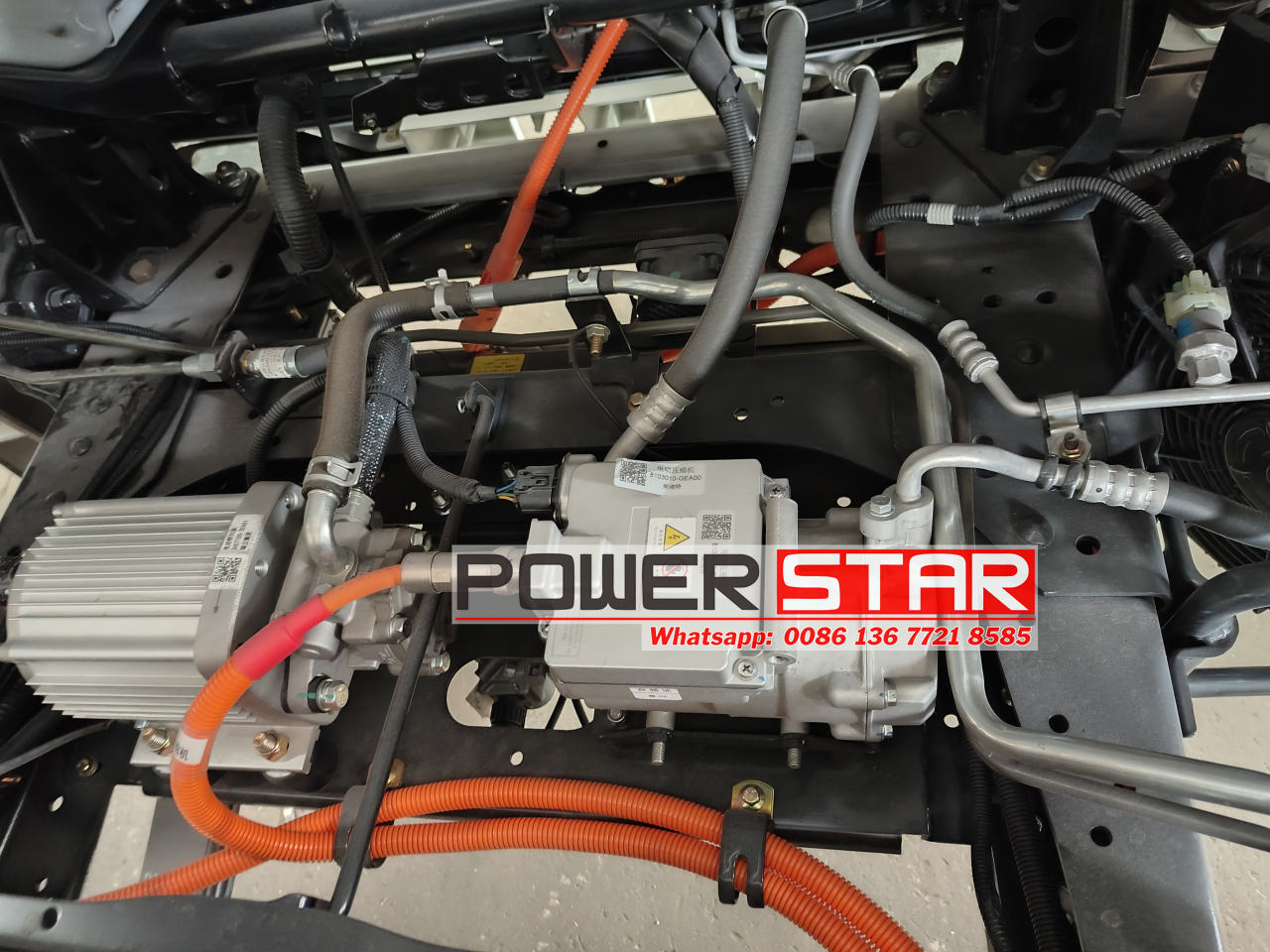
At the same time, the Isuzu electric compression garbage truck can reduce noise. Due to the characteristics of its motor drive, the operating noise is significantly reduced. This is to reduce urban noise pollution, especially when performing sanitation operations in noise-sensitive periods such as early morning and late night, it can effectively reduce interference with residents' lives and improve residents' living comfort.
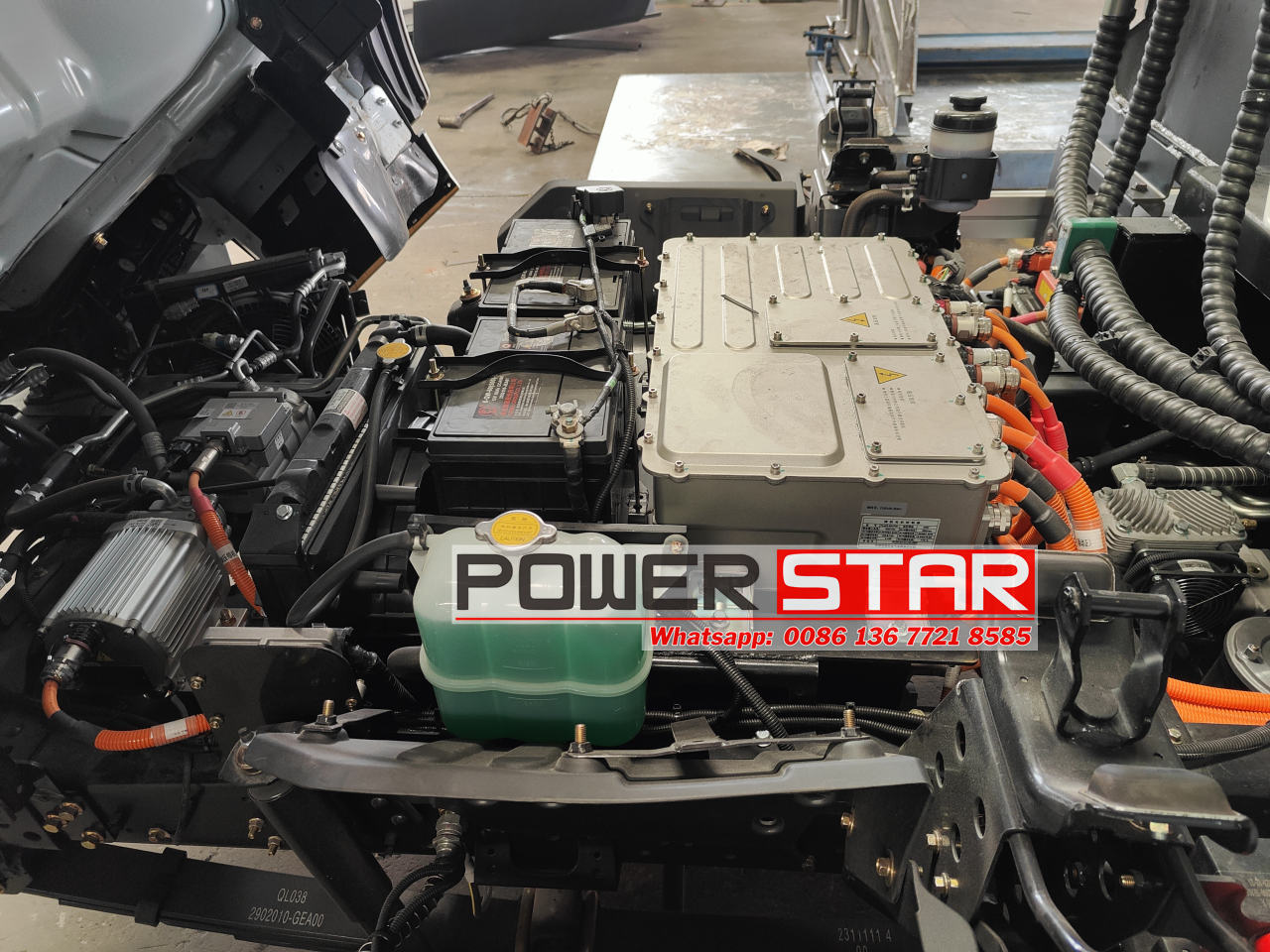
Second, the economic benefits are obvious. Although the initial purchase cost of the Isuzu electric compression garbage truck may be high, its cost advantage is obvious in long-term operation.
Take the Isuzu pure electric compression garbage truck and diesel compression garbage truck as examples. According to the procurement information published on the China Government Procurement Network, the purchase cost of electric sanitation vehicles is 820,000 yuan higher than that of diesel sanitation vehicles (electric 1.36 million yuan/vehicle, diesel 448,000 yuan/vehicle).
However, on the operational side, if the average speed of the sanitation vehicle is 45km/h, the daily driving time is 6 hours, and the annual operating days are 360 days, the annual operating cost of the diesel sanitation vehicle is 126,000 yuan, and the annual operating cost of the Isuzu electric compression garbage truck is 15,000 yuan, which is nearly 10 times the difference.
In 8 years, the total operating and maintenance costs of the diesel compression garbage truck and the Isuzu electric compression garbage truck are 1.06 million yuan and 128,000 yuan respectively, with a difference of 930,000 yuan. In terms of comprehensive purchase cost and operating cost, the 8-year life cycle cost of the electric sanitation vehicle is 110,000 yuan lower than that of the diesel vehicle, which is a 7% reduction.
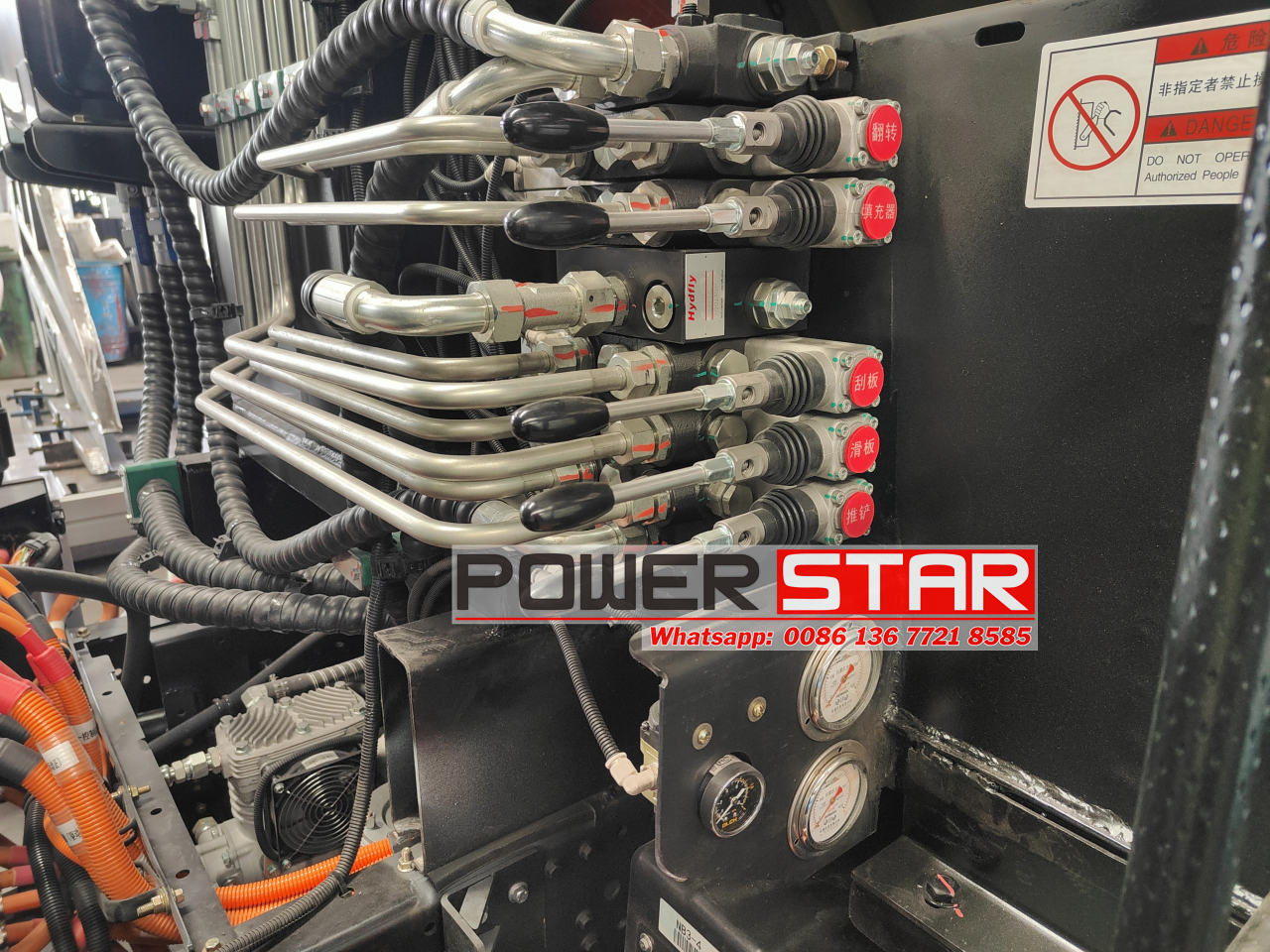
Accelerating the intelligentization of sanitation vehicles
In addition to new energy, intelligence is also a key direction for the development of sanitation vehicles.
Intelligent sanitation vehicles have brought many benefits to urban sanitation work. For example, the improvement of operating efficiency, automatic driving and intelligent scheduling enable sanitation vehicles to arrange operations more scientifically, avoiding unnecessary empty driving and repeated operations. Another example is the reduction of costs. Intelligent monitoring and fault diagnosis reduce maintenance costs and losses caused by vehicle failures.
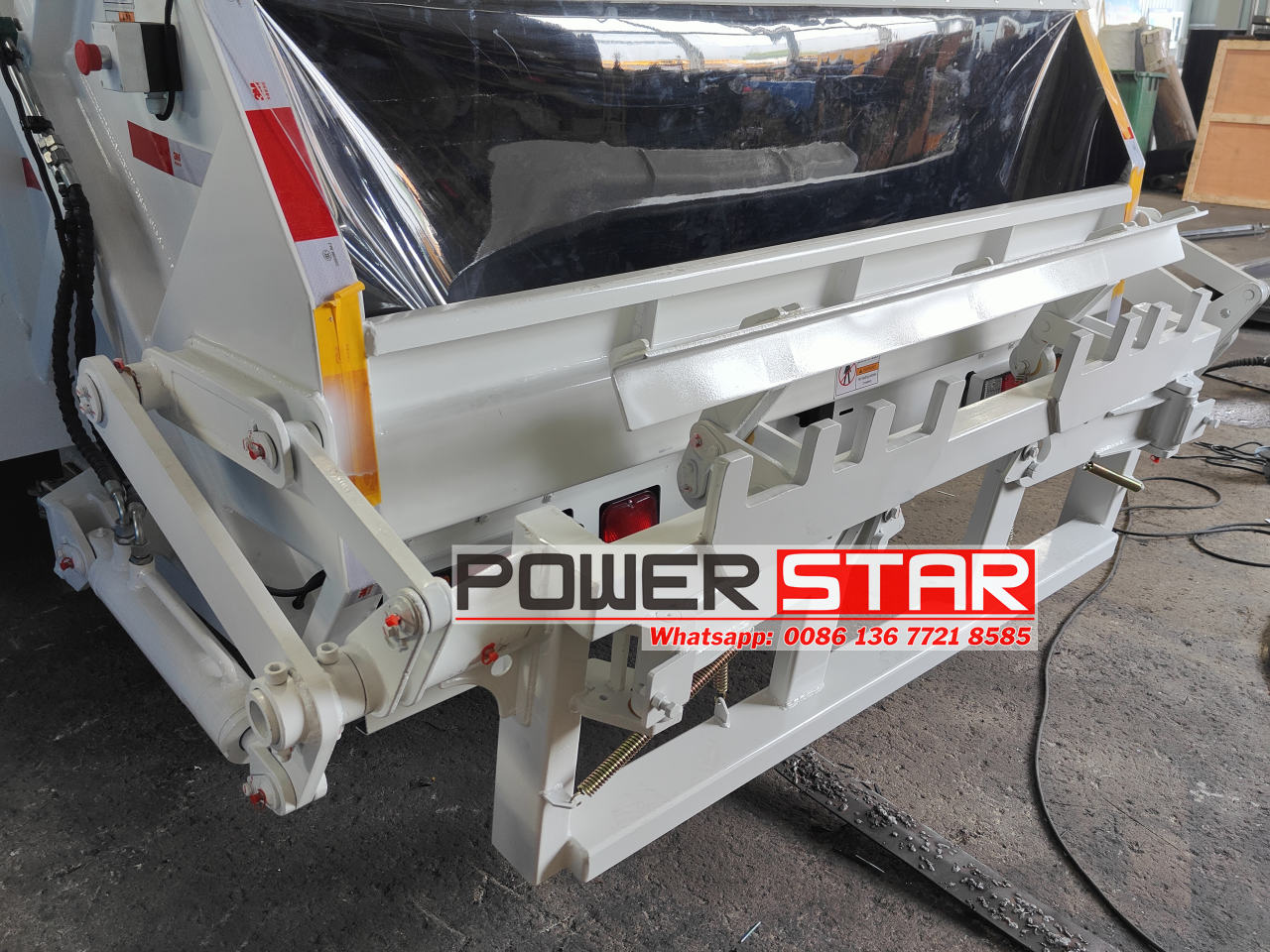
At present, the intelligent technologies used in sanitation vehicles are:
Autonomous driving technology: Sanitation vehicles can be equipped with advanced autonomous driving systems to achieve partial or full autonomous driving functions. On specific cleaning routes, such as roads in parks and internal roads in industrial parks, autonomous driving sanitation vehicles can automatically drive and operate according to preset programs.
For example, in Zhengzhou Economic Development Zone, WeRide's sanitation vehicles are equipped with L4 autonomous driving technology, with an operating speed of 5-10km/h, and can operate stably all day, all weather and in all scenarios.
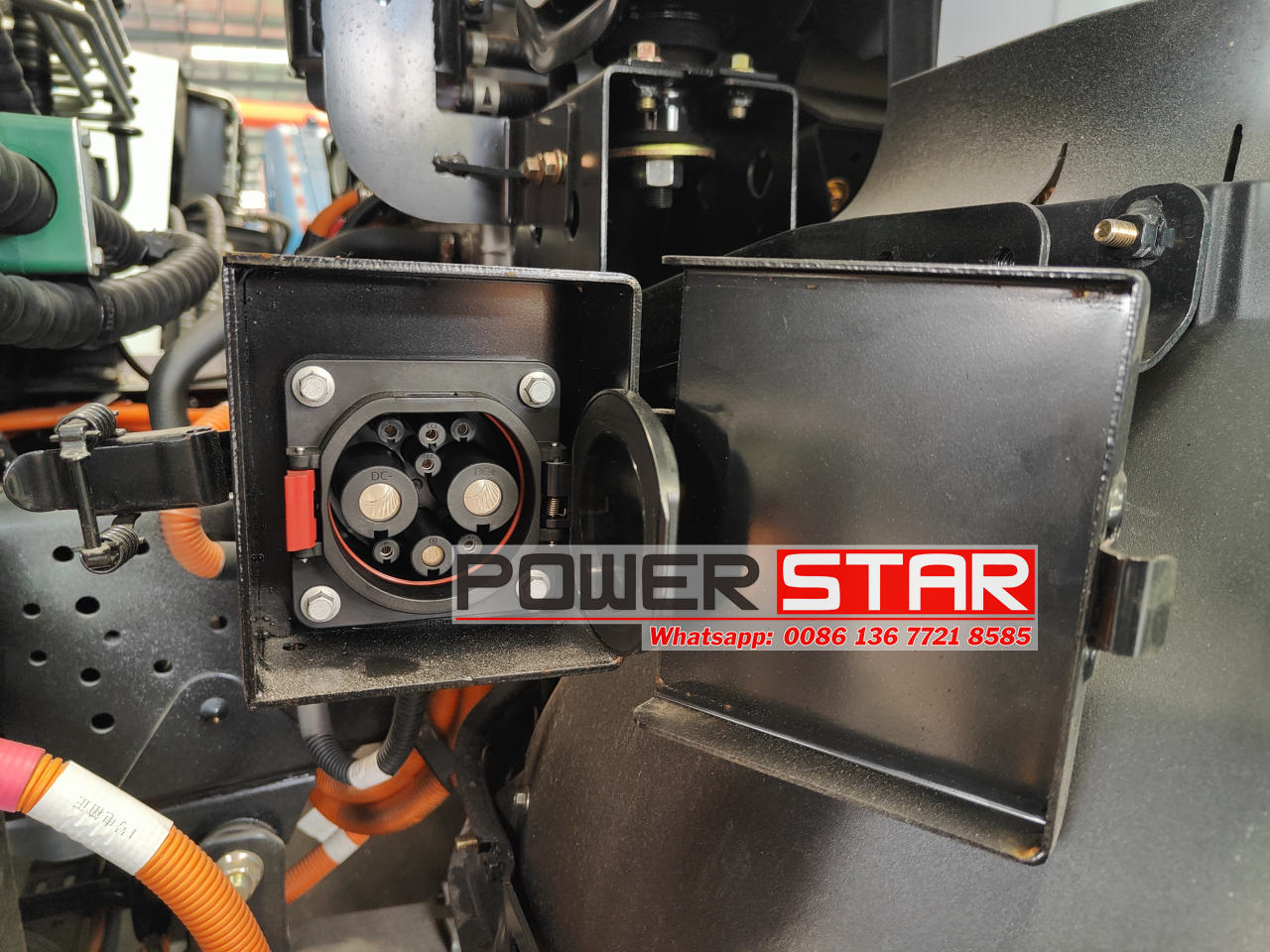
Intelligent monitoring and fault diagnosis system: Through various sensors installed on sanitation vehicles, the operating status of the vehicle can be monitored in real time. For example, monitoring battery power, motor temperature, working conditions of cleaning equipment, etc. Once an abnormality is found, the system can promptly alarm and diagnose the cause of the fault, and maintenance personnel can respond quickly, reducing vehicle downtime and improving the continuity of sanitation operations.
Intelligent scheduling system: Combining geographic information system (GIS) and Internet of Things technology, sanitation management departments can intelligently schedule sanitation vehicles. The routes and times of sanitation vehicles should be arranged reasonably according to factors such as the amount of garbage generated in different areas and the degree of road pollution. For example, more vehicles should be added during the peak hours of garbage generation in commercial areas, and more cleaning efforts should be made in residential areas in the early morning.