Detailed explanation of the rain test standard for ISUZU GIGA Custom Fire Rescue Trucks
January 10,2025
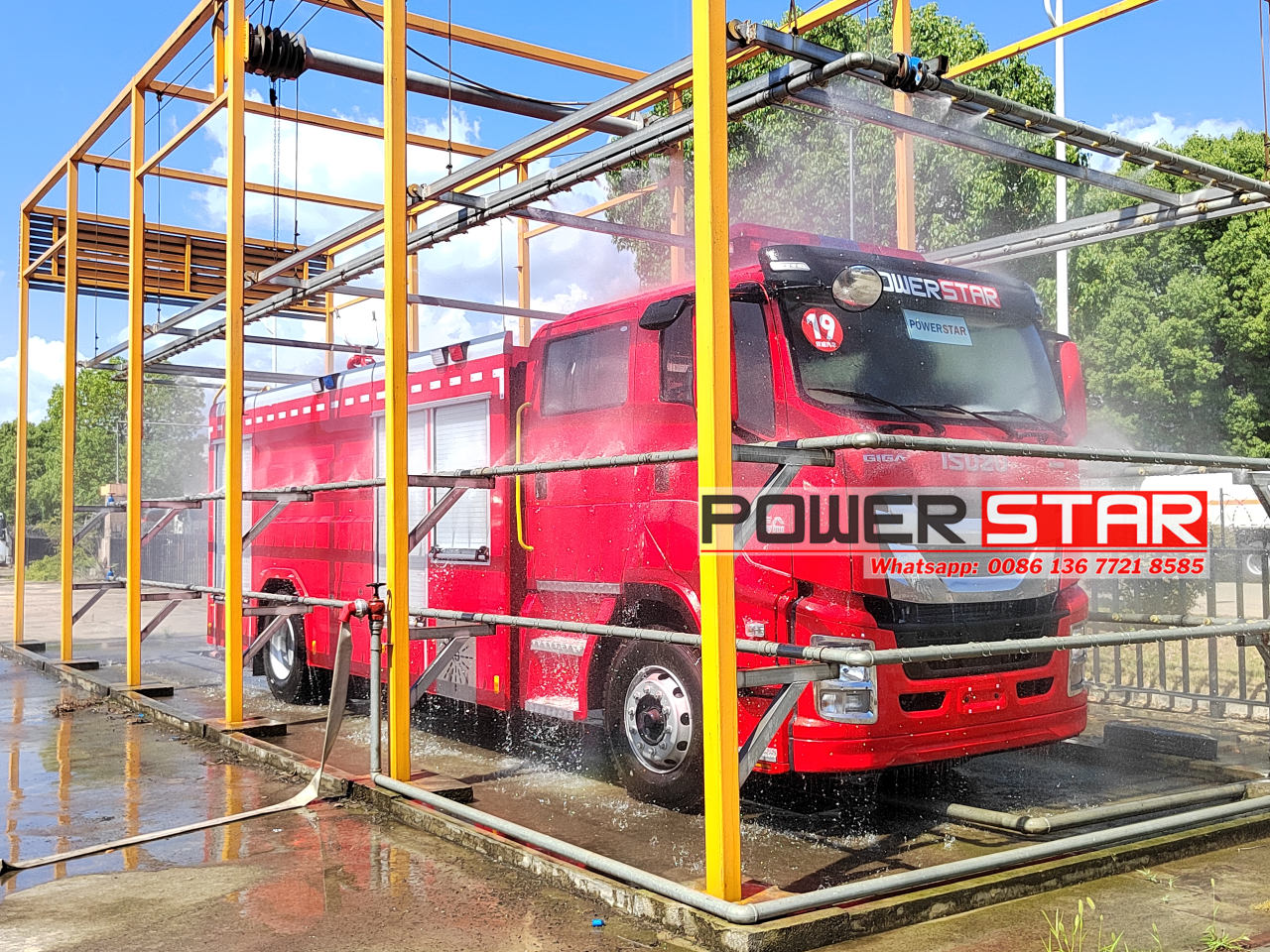
As an important equipment for emergency rescue, the performance stability of ISUZU GIGA Custom Fire Rescue Trucks is directly related to the rescue efficiency and personnel safety. The rain test is an indispensable part of the quality inspection of ISUZU GIGA Custom Fire Rescue Trucks. Its purpose is to simulate severe weather conditions and test the working performance of the vehicle under the attack of rain.
1. Rain test conditions
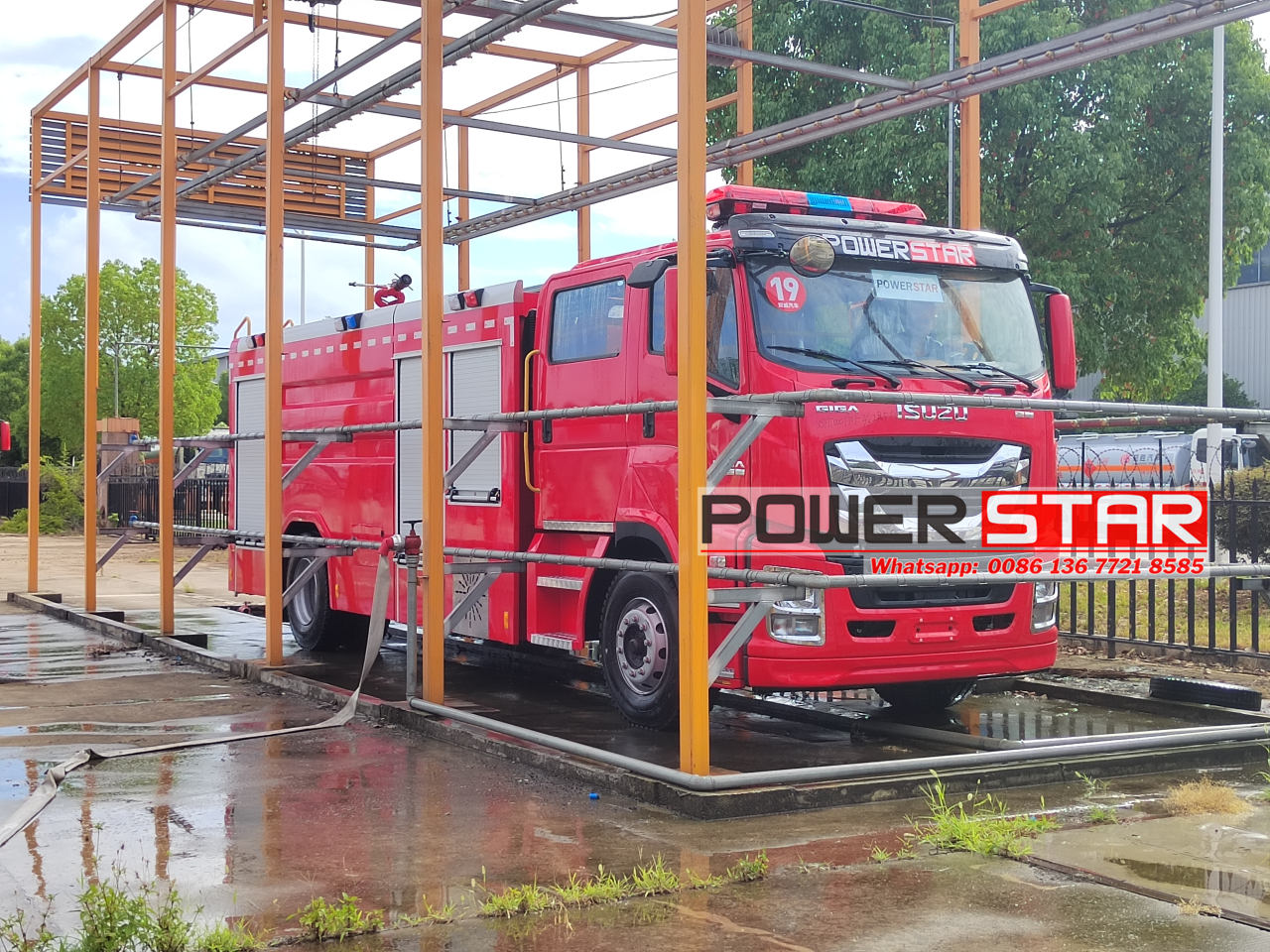
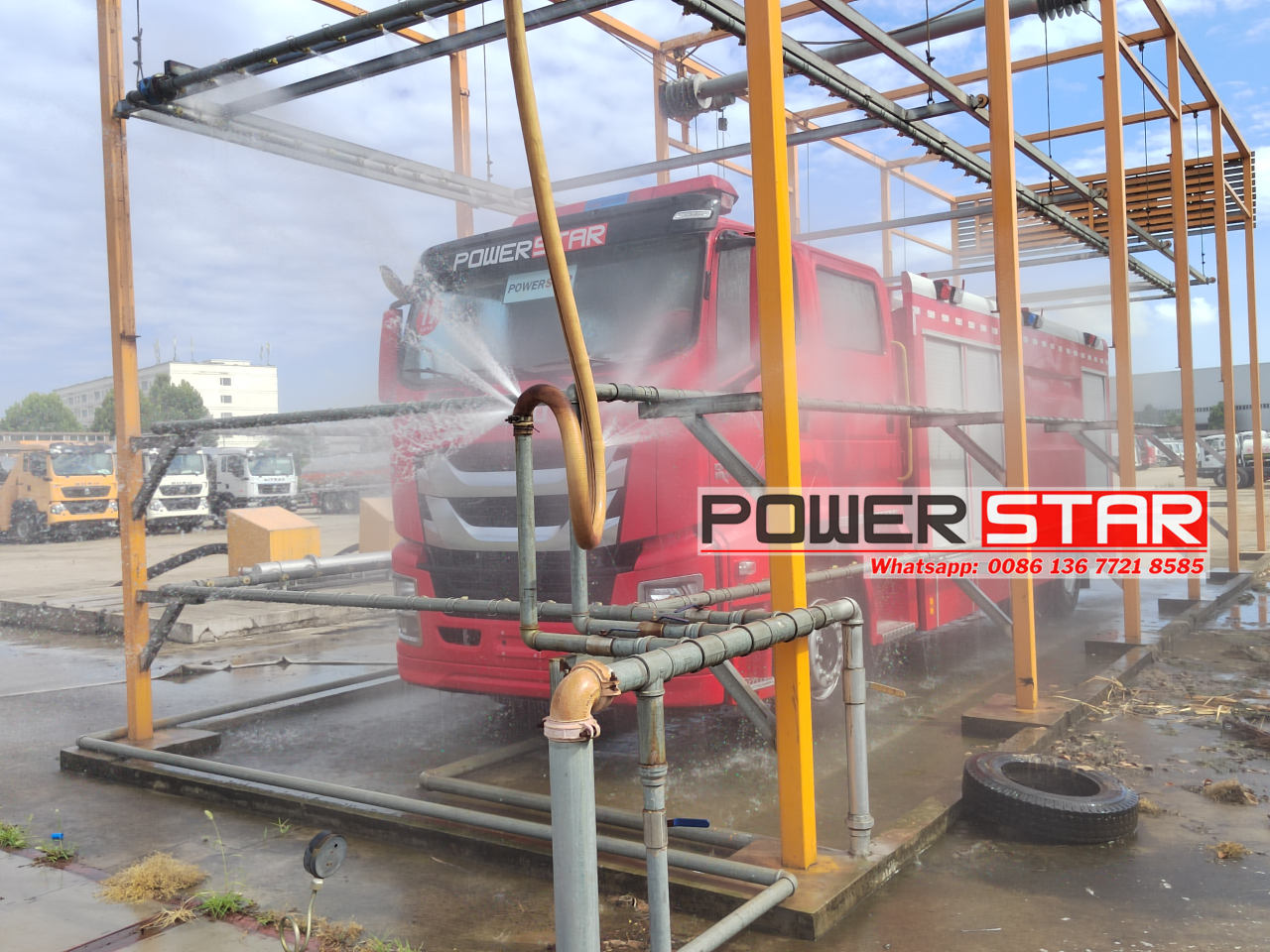
The rain test is usually carried out at a specific test site to simulate different degrees of rainfall. The test conditions include rainfall, rainfall time, rainfall angle and other aspects to comprehensively evaluate the reliability of ISUZU GIGA Custom Fire Rescue Trucks in rain operations.
2. Test method
In the rain test, ISUZU GIGA Custom Fire Rescue Trucks must perform various operations in accordance with the prescribed procedures. This includes starting the vehicle, operating firefighting equipment, driving, etc., while observing and recording the performance of the vehicle during the rain. The test personnel need to pay close attention to the working status of each component of the vehicle, as well as whether there are water leaks, water seepage and other phenomena.
3. Qualification judgment
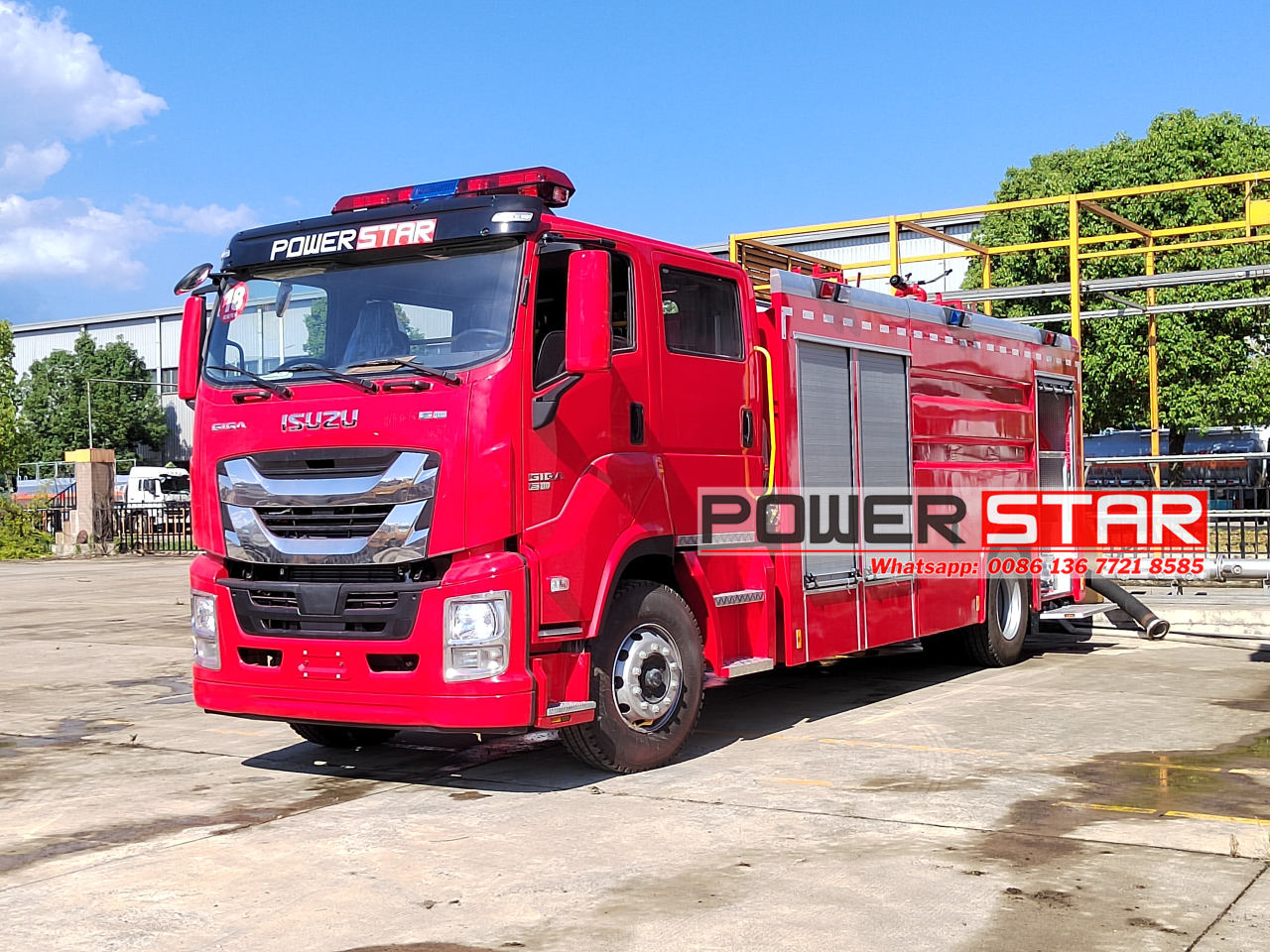
After the rain test, the ISUZU GIGA Custom Fire Rescue Trucks need to be inspected and evaluated in detail. Only when the vehicle does not have any faults or defects that seriously affect its normal operation during the test, and the performance of each component is stable, can it be judged as qualified. Qualified fire trucks can provide strong support for rescue work under severe weather conditions.
In short, the ISUZU GIGA Custom Fire Rescue Trucks rain test standard is an important link to ensure the stable performance, safety and reliability of fire trucks. Through strict rain tests, we can screen out fire trucks with excellent performance and provide solid support for emergency rescue work.
Isuzu GIGA fire truck fire Monitor test: the key to ensuring fire extinguishing efficiency and safety
In firefighting work, Isuzu GIGA fire trucks and fire cannons are important tools for firefighting and rescue. In order to protect the safety of people's lives and property, the performance and reliability of firefighting equipment are crucial. Therefore, it is particularly important to conduct a comprehensive test of the fire cannons on fire trucks. This article will introduce the commonly used types of fire cannons and the significance of testing fire cannons.
There are many types of fire cannons, which can be divided into many types according to different classification standards. According to the spraying medium, they can be divided into fire water cannons, fire foam cannons, and fire dry powder cannons; according to the driving mode, they can be divided into manual fire cannons, electric fire cannons, hydraulic fire cannons, and pneumatic fire cannons; according to the use function, they can be divided into single-use fire cannons, dual-use fire cannons, and combined fire cannons; according to the installation method, they can be divided into mobile fire cannons and fixed fire cannons. In addition, there are special types such as self-swinging fire cannons and remote-controlled fire cannons. These different types of fire cannons have their own unique advantages and applicable scenarios in firefighting and rescue.
The significance of testing fire cannons is to ensure their performance and reliability in actual combat. First of all, testing can find possible defects and problems with fire cannons. By conducting appearance inspection, operating performance test, sealing performance test, etc. on the fire monitor, it is possible to timely find out whether there is corrosion, blistering, peeling and other phenomena on the surface of the fire monitor, whether the operation is flexible and reliable, whether the sealing performance meets the standard, etc. If these problems are not solved in time, they may cause the performance of the equipment to decline or fail in actual combat, thereby affecting the efficiency of fire extinguishing.
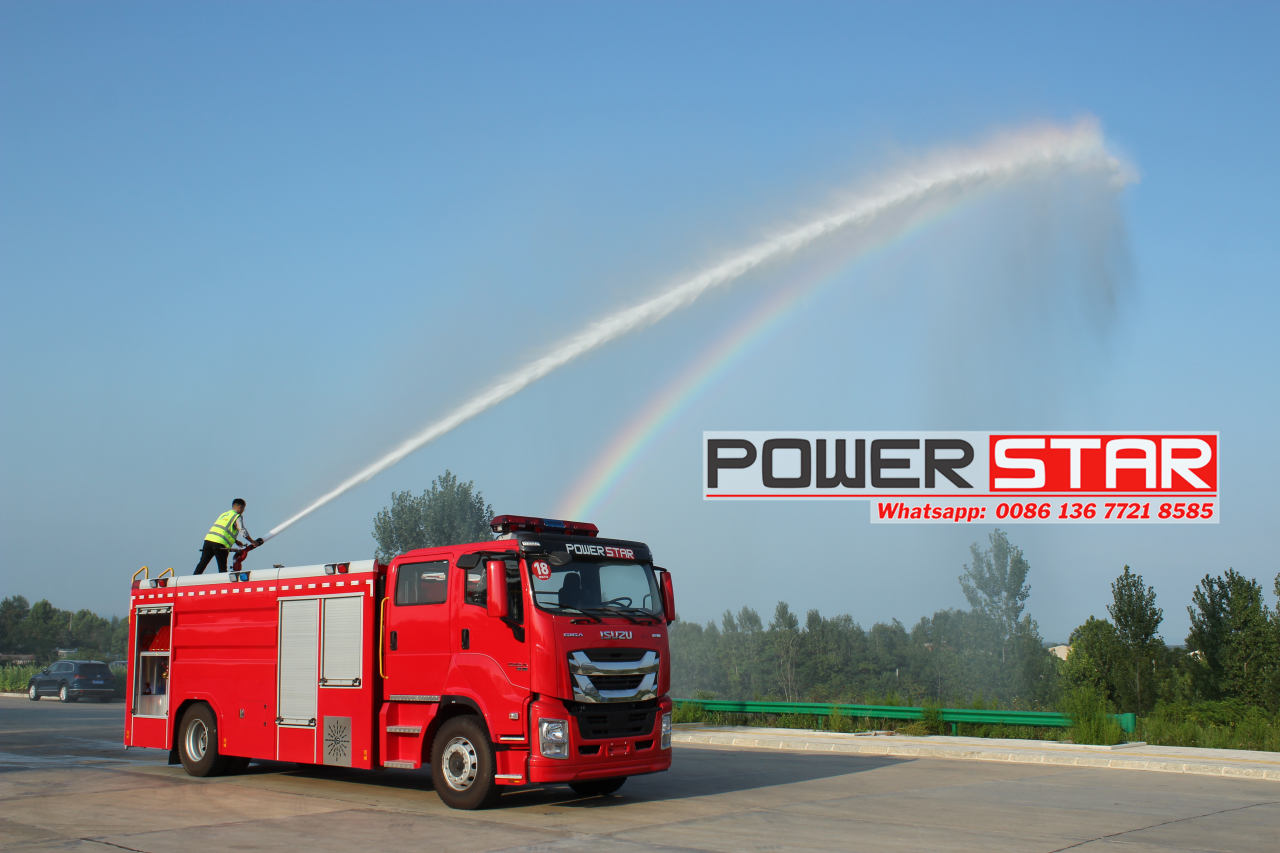
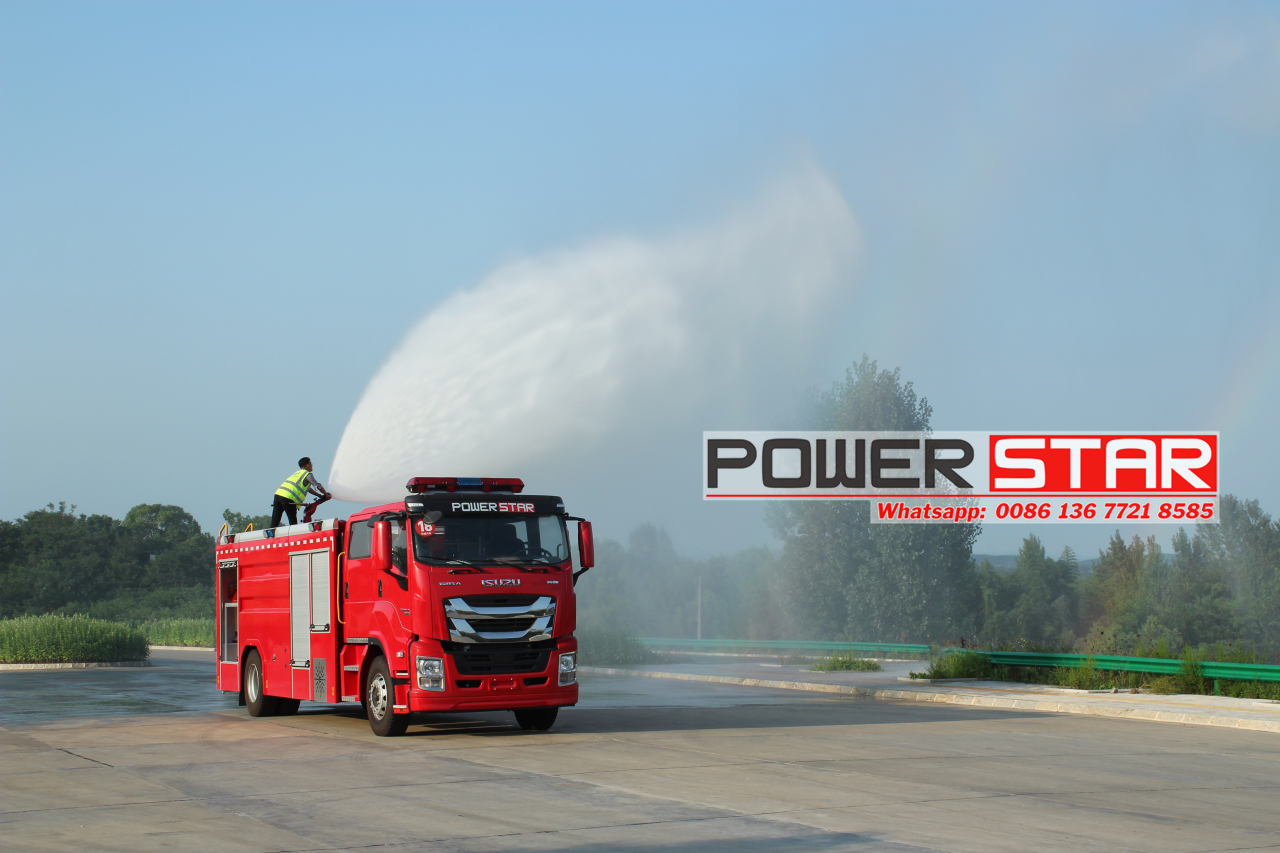
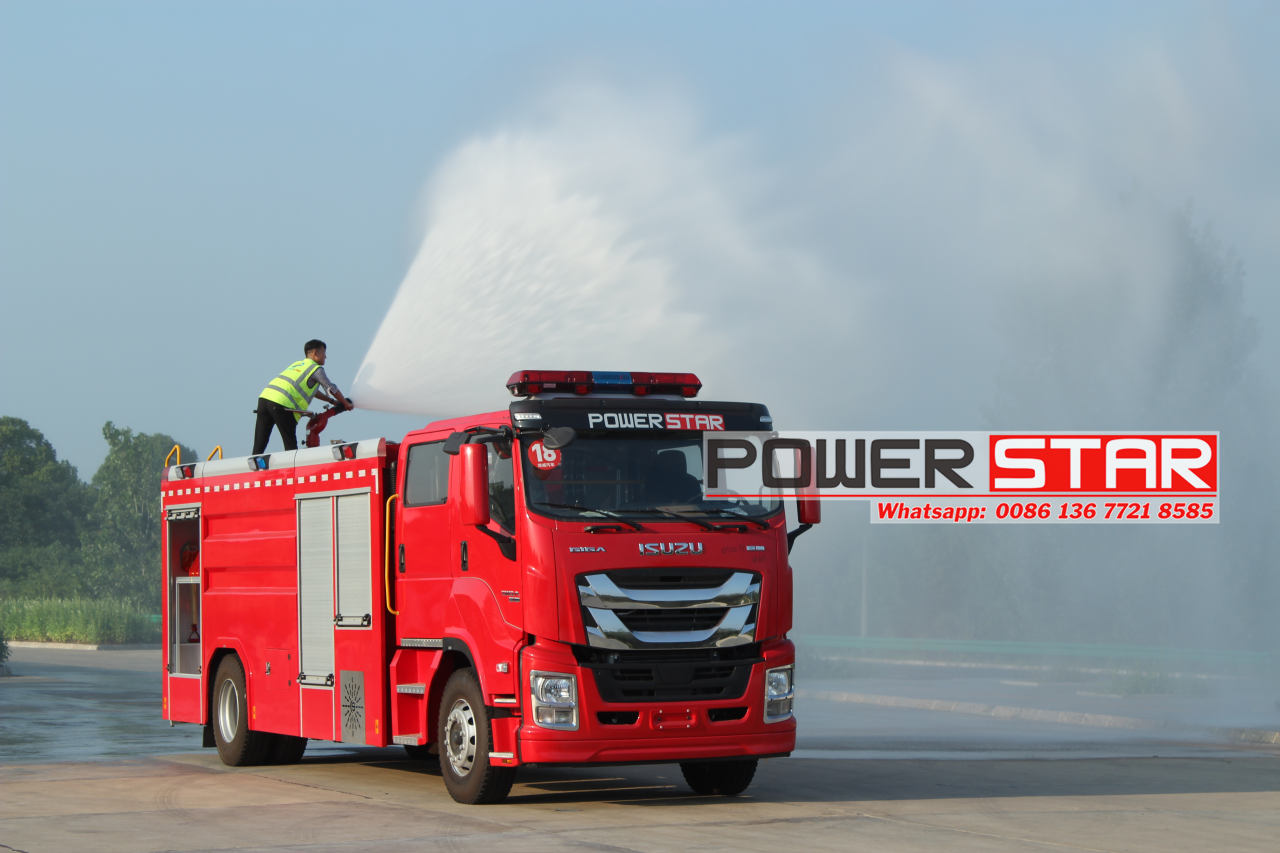
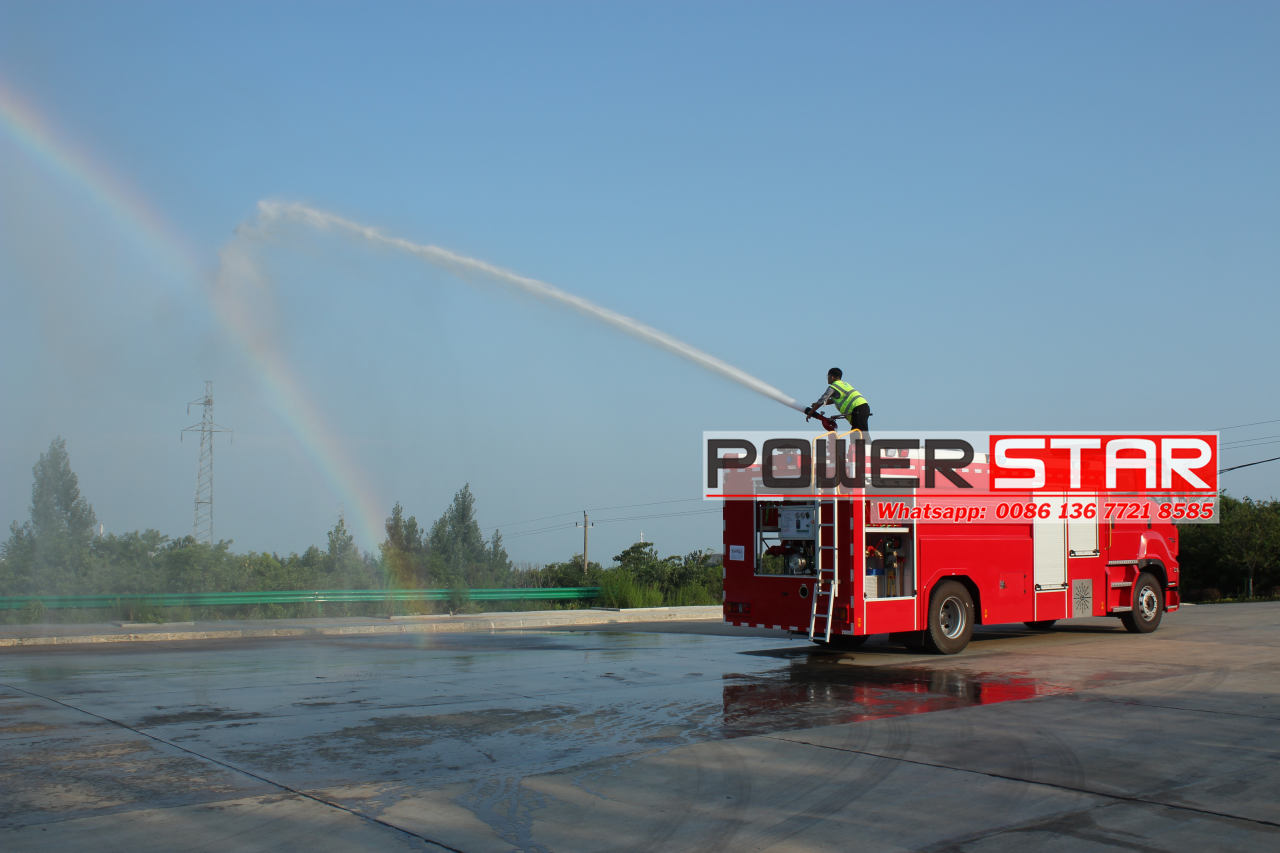
Secondly, the test can verify the fire extinguishing ability and combat effectiveness of the fire monitor. By conducting continuous spray test, pulse spray test, etc. on the fire monitor, its key performance indicators such as spray flow, spray rate, and spray distance can be evaluated. At the same time, combined with actual combat simulation test, the fire extinguishing ability and combat effectiveness of the fire monitor in different scenarios can be comprehensively tested. This is of great significance to improving the fire fighting and rescue capabilities of the fire rescue team.
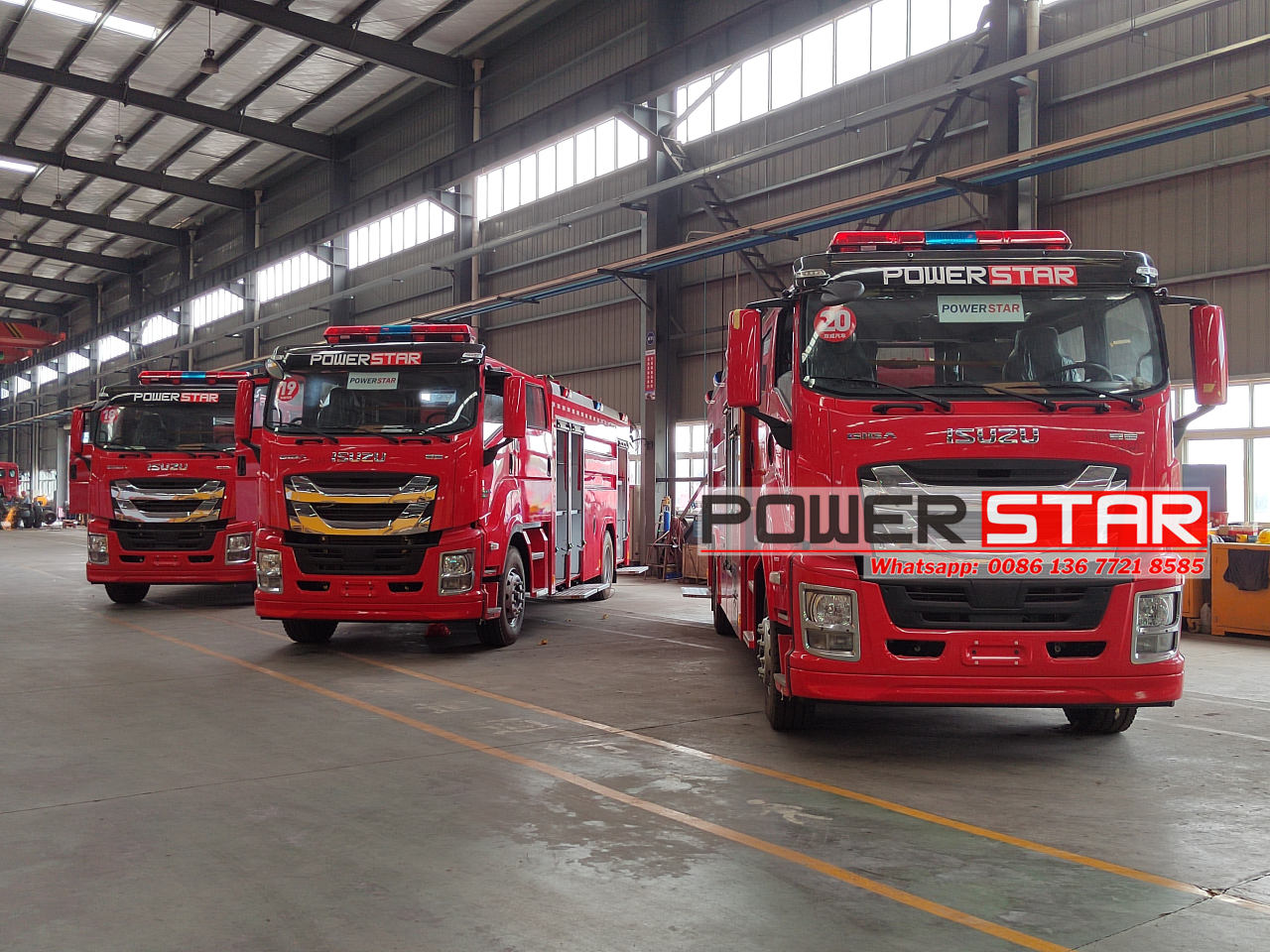
In addition, the test can also promote the continuous improvement and optimization of firefighting equipment. By analyzing and summarizing the test data and actual combat feedback of the fire monitor, the shortcomings of the equipment can be found, providing strong support for subsequent improvements and optimizations. This not only helps to improve the performance and reliability of firefighting equipment, but also promotes the progress and innovation of firefighting technology.