A new chapter in China-Philippines commercial vehicle cooperation under the demand for logistics upgrade in the Philippines
In the complex geographical environment of the Philippines consisting of more than 7,000 islands, logistics and transportation have always faced challenges such as insufficient infrastructure and difficulties in connecting islands. With the annual growth rate of e-commerce exceeding 20% and the intensification of port congestion, local logistics companies are in urgent need of transportation tools that can adapt to tropical climates and have flexible load capacity. Against this background, the leading logistics companies in the Philippines have joined hands with POWERSTAR TRUCKS, a well-known Chinese commercial vehicle supplier, to mass-customize the 2025 10-15 ton Isuzu flatbed trucks developed specifically for the Philippine market, marking a new stage in China-Philippines cooperation in the field of commercial vehicles.
Customized solutions and localized adaptation
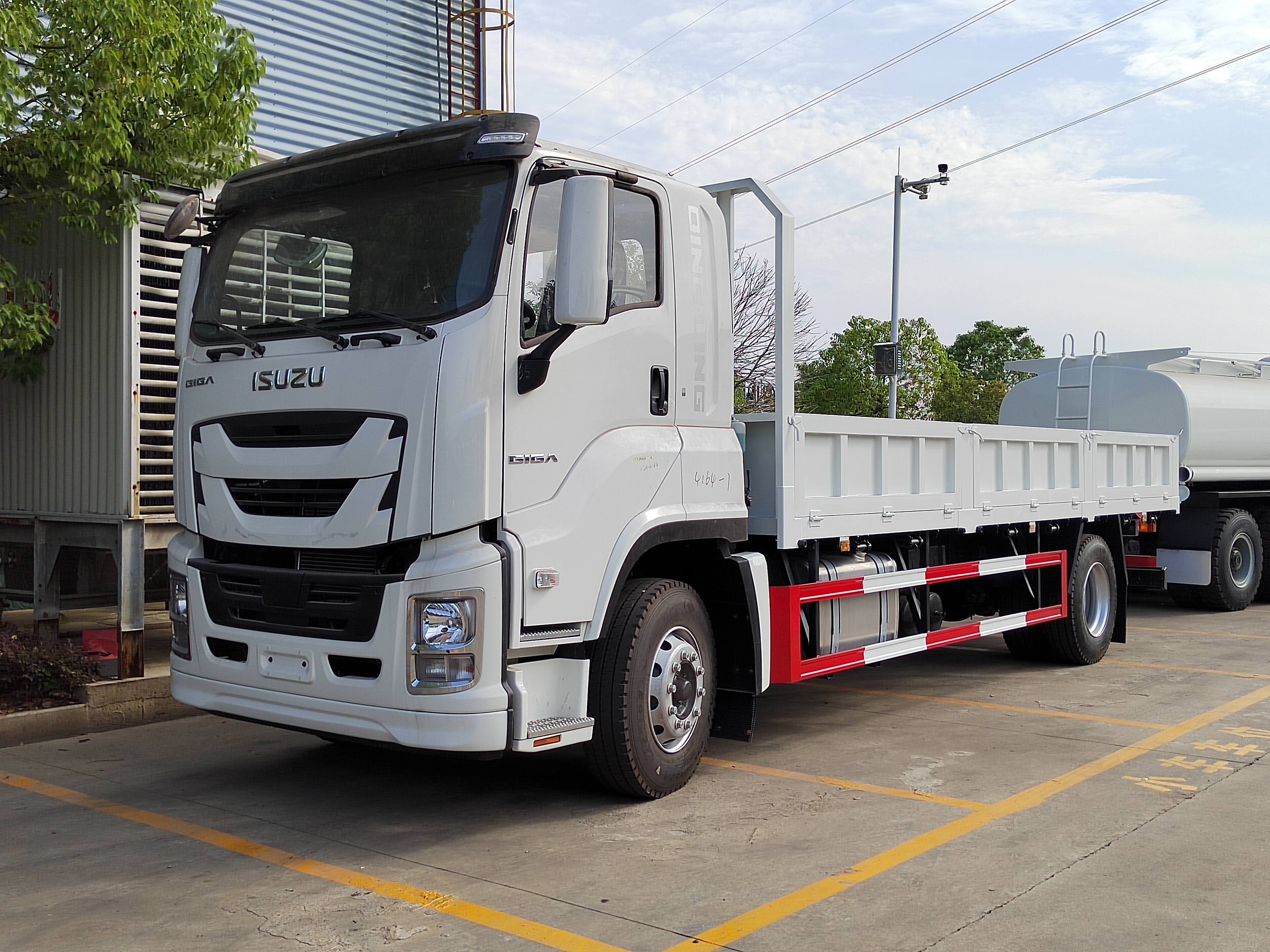
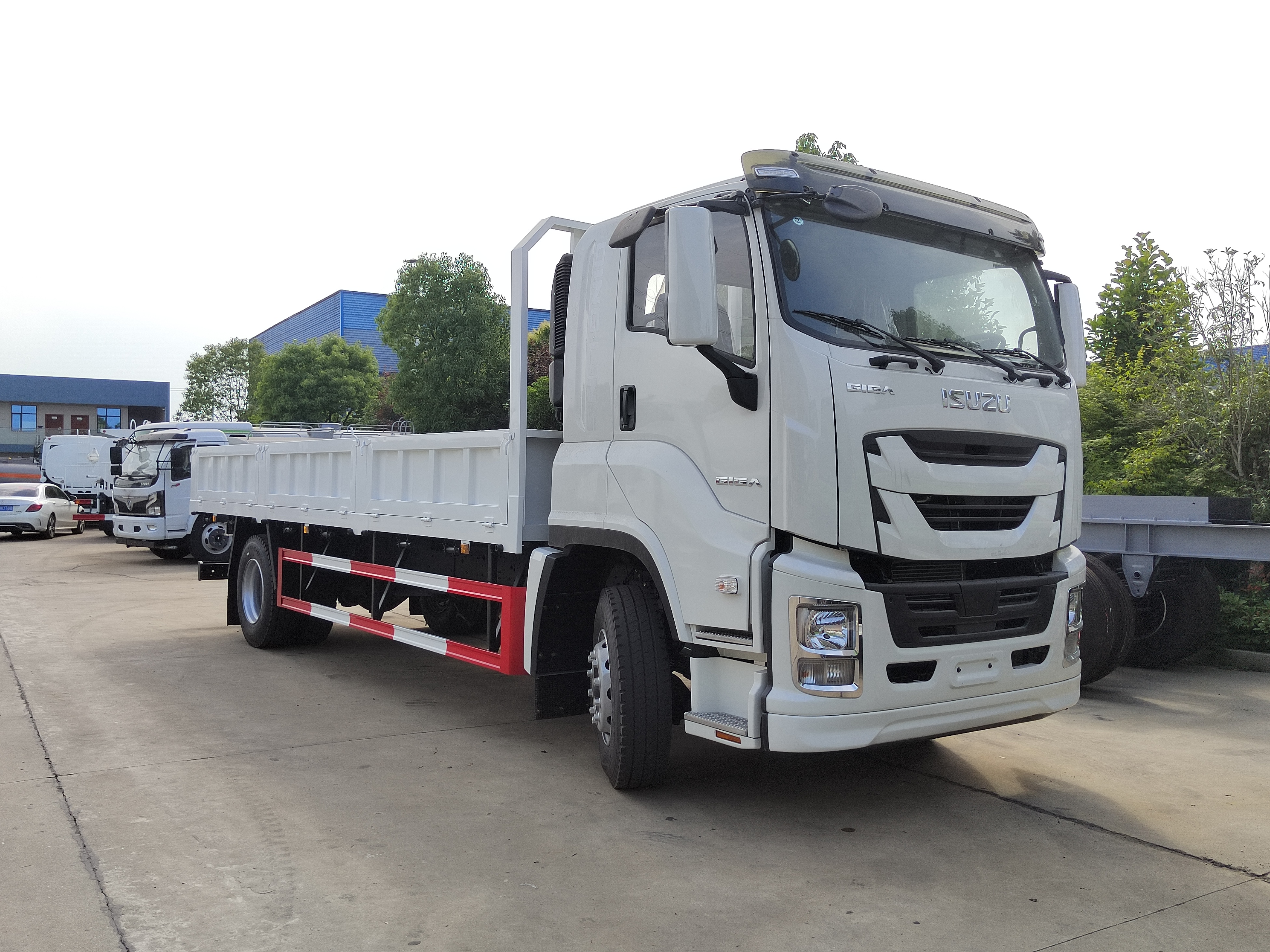
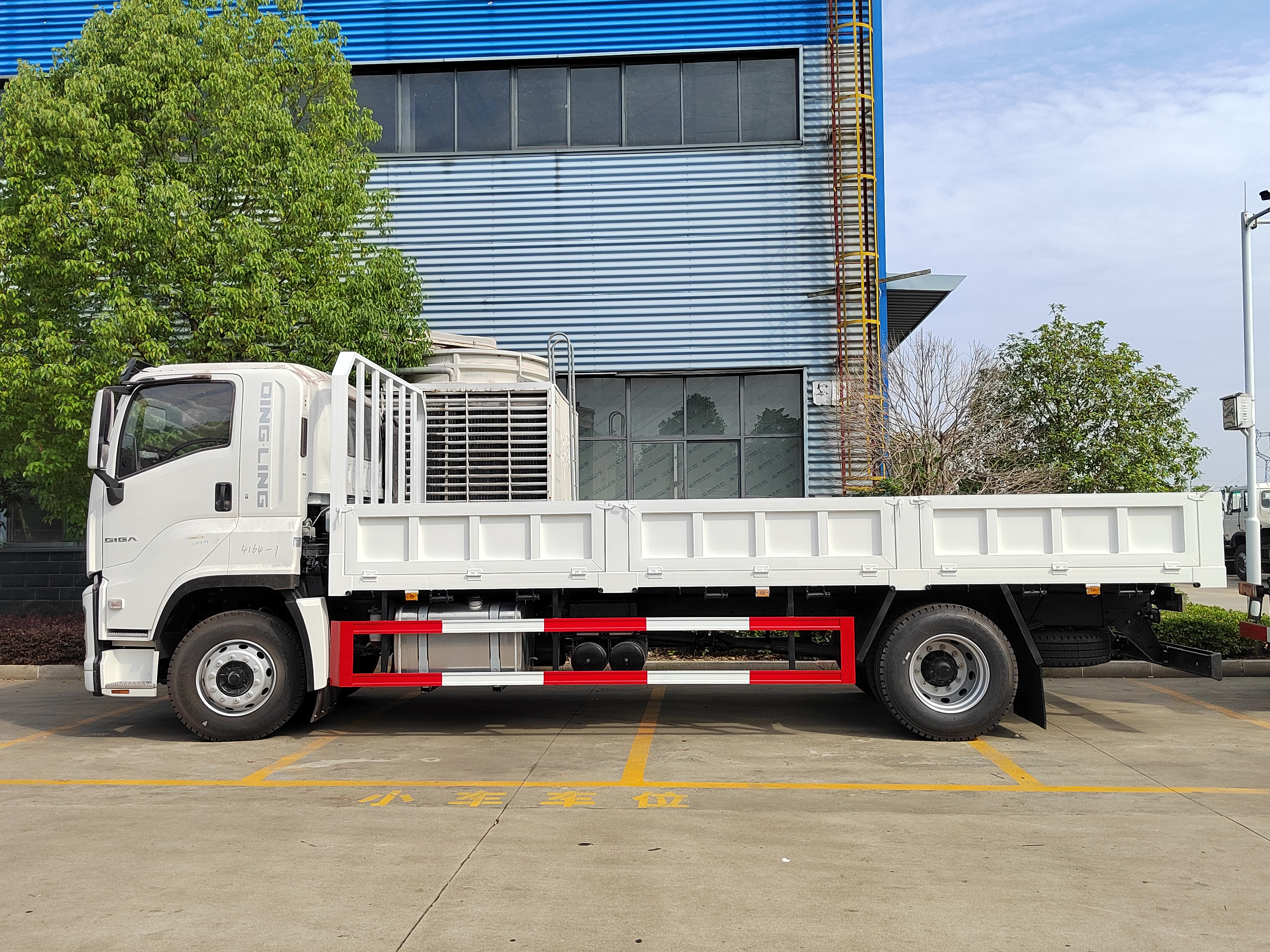
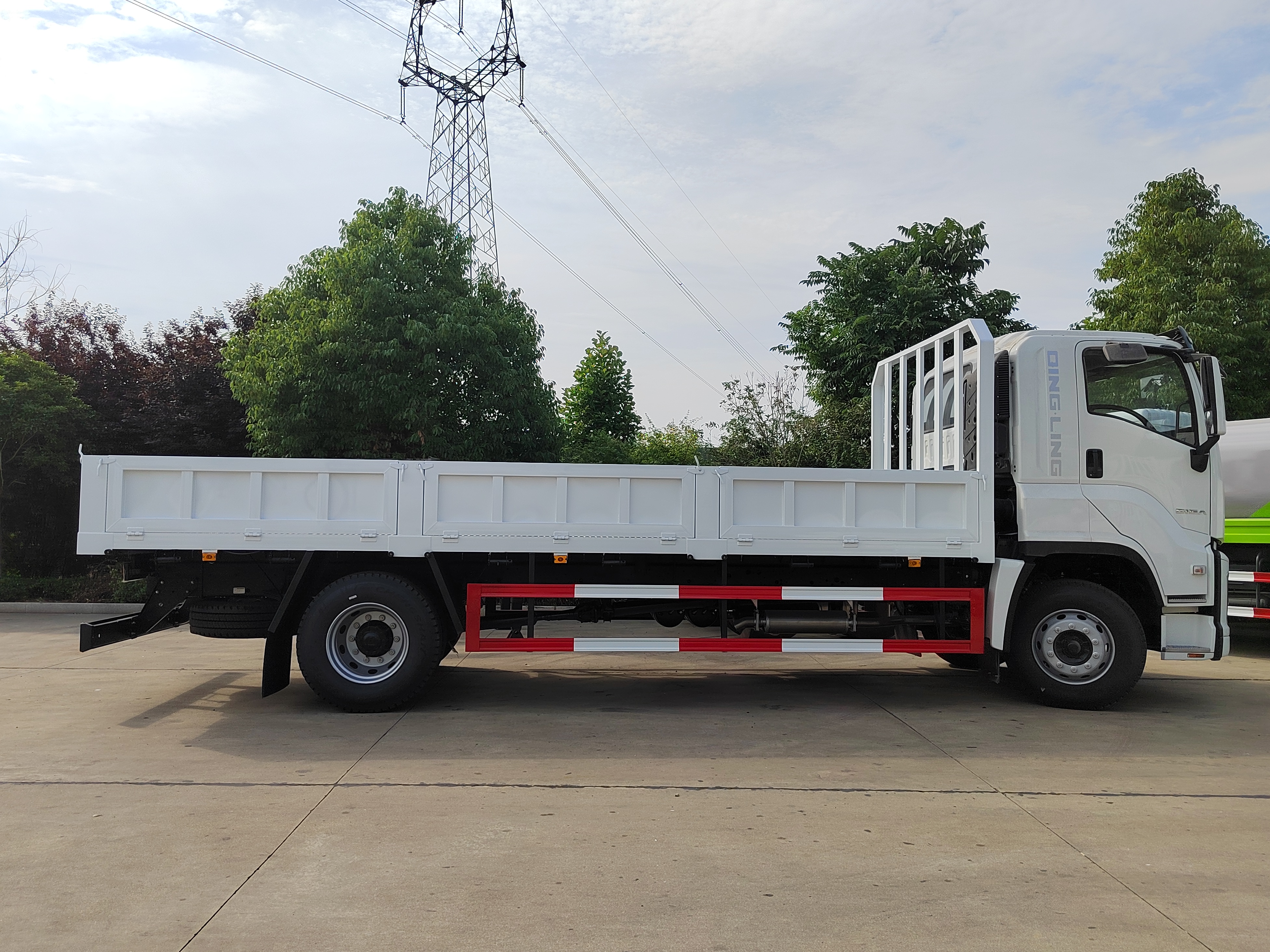
The customized models adopt the Isuzu GIGA series QL5180XXYEQFRY special chassis for the Philippines. Its core advantages are reflected in three aspects:
Power system optimization: equipped with a 6HK1 240 horsepower engine, independent liquid cooling technology ensures stable operation at a high temperature of 45°C, and cooperates with the FAST 8-speed gearbox, taking into account the congested road conditions in Manila and the steep terrain of the island;
Innovative cargo design: The 6500×2200×600mm cargo box size is optimized for the Philippines standard container and bulk cargo mixed loading scenarios, and the 10-15 tons flexible load meets the dual needs of e-commerce express delivery and building materials transportation;
Tropical adaptability: Strengthen the anti-rust treatment chassis, high-power cooling system and corrosion-resistant cargo box plate to effectively cope with the high humidity environment in the rainy season and coastal salt spray corrosion.
The cooperation stems from the two major pain points that Philippine logistics companies need to deal with: on the one hand, the congestion at the Manila Port has caused an average delay of 7 days, requiring vehicles with higher turnover efficiency; on the other hand, the unstable power supply in rural areas has limited the popularity of electric trucks, and diesel models are still the first choice in the medium term. POWERSTAR TRUCKS successfully won this batch of more than 50 orders with its KD assembly experience and localized after-sales network in the Southeast Asian market.
Market drivers and development prospects
The Philippine medium-duty truck market is showing three major trends:
E-commerce logistics expansion: The cash on delivery model accounts for more than 60%, which has created demand for reliable transportation tools. Flatbed trucks have become the preferred choice for last-mile delivery due to their ease of loading and unloading;
Infrastructure investment: The government plans to invest US$314.7 billion to upgrade the transportation network, which will release more demand for heavy equipment transportation;
Emission standard upgrade: Although electrification is not yet mandatory, the 6HK1 engine's fuel consumption of 26.5L/100km is 15% better than similar products, and it will be compatible with biodiesel in the future.
It is estimated that by 2030, the market share of 10-15 ton trucks in the Philippines will increase to 38%, of which models equipped with intelligent fleet management systems will account for more than 60%. The customized models have reserved vehicle networking interfaces, laying the foundation for future access to the data center of logistics platforms such as J&T Express.
Value extension of strategic cooperation
This cooperation is not only a single order, but also builds a sustainable business model: POWERSTAR TRUCKS will set up a spare parts center in the Philippines to shorten the after-sales response time to 24 hours; at the same time, it will work with local modification factories to develop detachable warehouse grid tops to achieve rapid conversion between flatbed trucks and warehouse grid trucks. This deep localization strategy is driving China's commercial vehicles to transform from "product export" to "solution output".
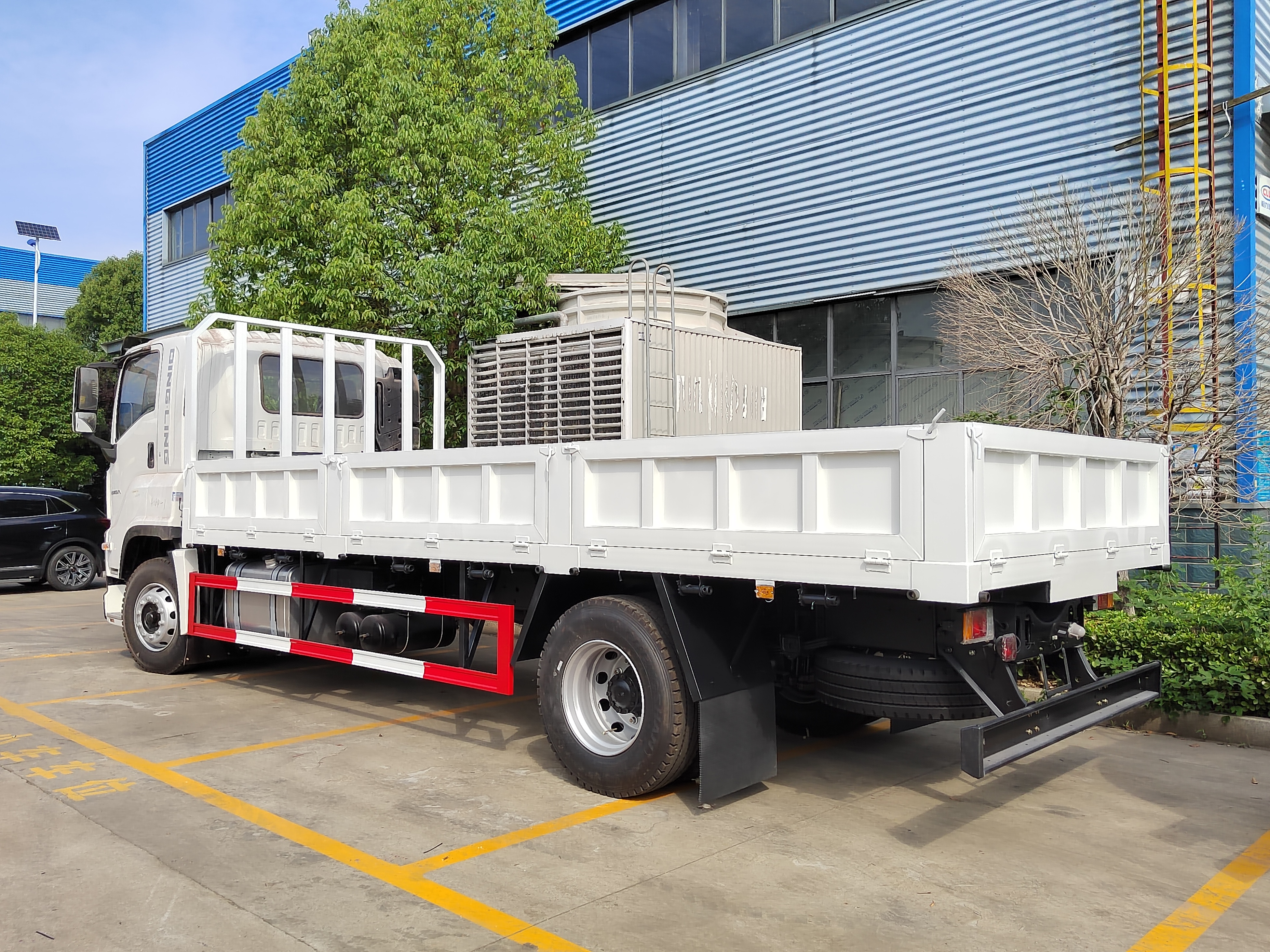
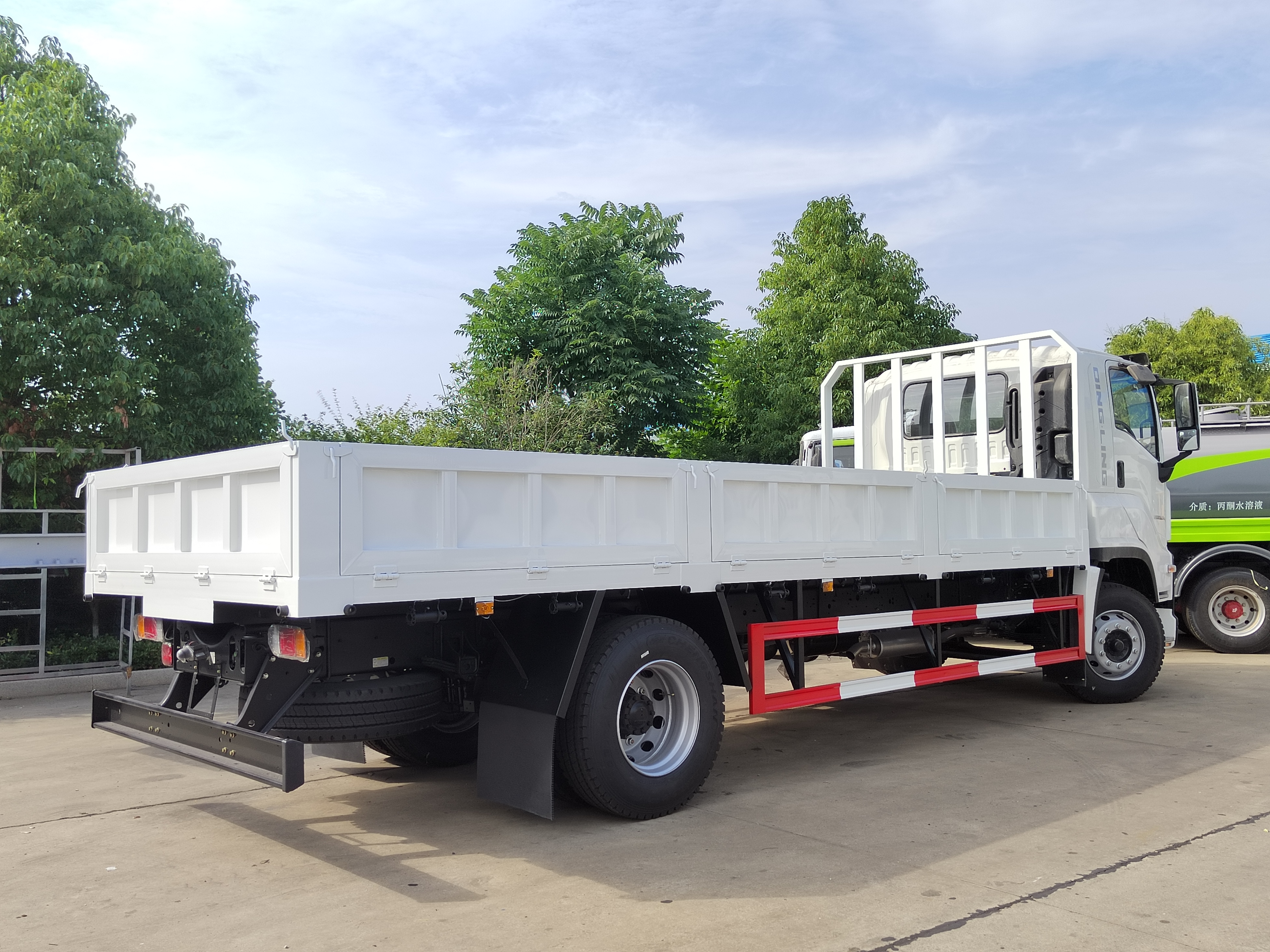
With the entry into force of the RCEP agreement tariff preferences, China-Philippines cooperation in the field of commercial vehicles will be further deepened. In the future, there may be electric derivative models for cold chain logistics, as well as enhanced chassis adapted to mining area transportation. This batch customization not only solves the current bottleneck of logistics efficiency, but also reserves space for subsequent technology upgrades, which can be regarded as a model case of equipment cooperation in emerging markets.