Isuzu Powerstar trucks launches new foam-dry powder combined fire truck to improve emergency rescue capabilities
Recently, Isuzu Powerstar Trucks officially launched a new foam-dry powder combined fire truck, which is designed to deal with various complex fire scenes, especially in high-risk industries such as petrochemicals, electricity and non-chemicals. It has shown strong firefighting capabilities.
This fire truck is built on Isuzu's advanced chassis technology and uses a dedicated chassis that has been strictly tested and certified to ensure the stability and durability of the vehicle. In terms of the engine, it uses a high-performance diesel engine, which is not only powerful, but also meets the latest National VI emission standards, reflecting Isuzu's commitment to environmental protection.
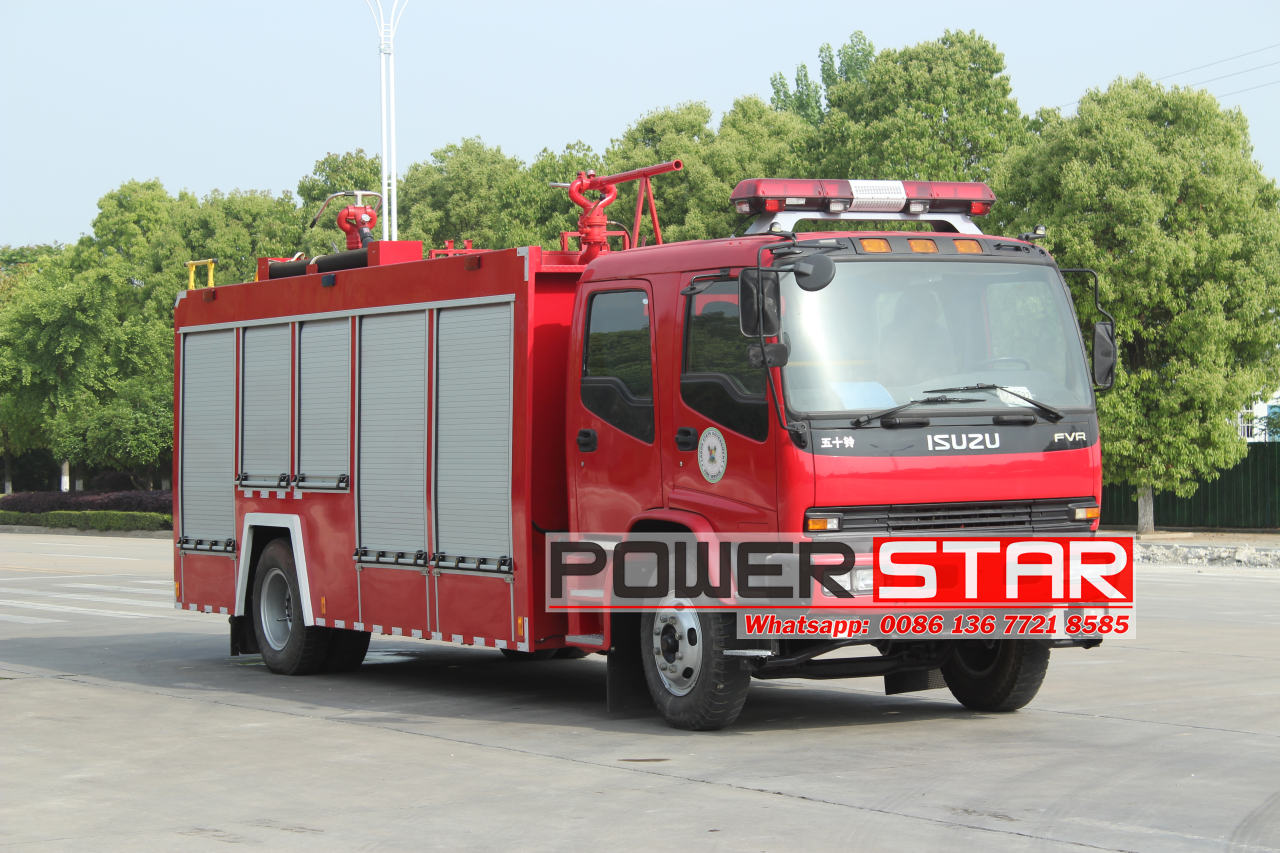
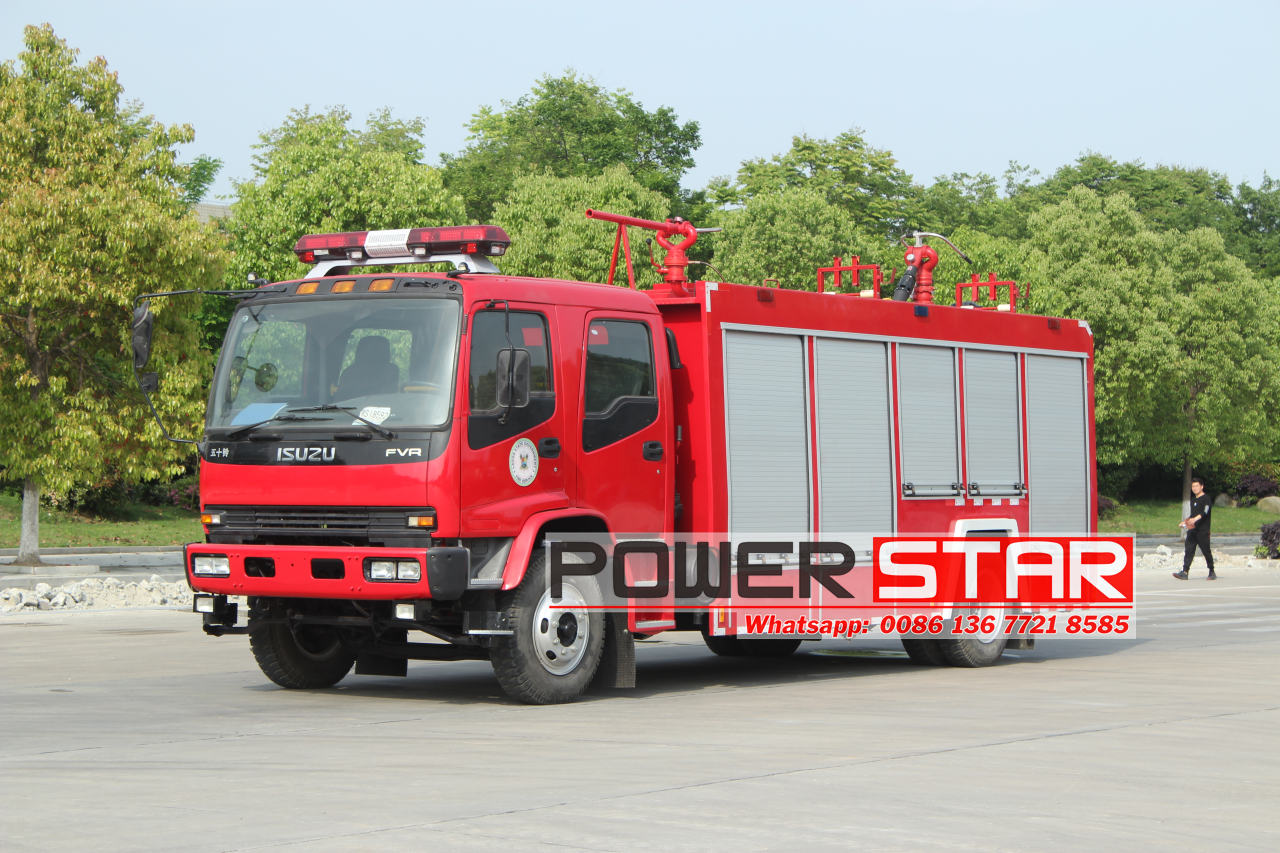
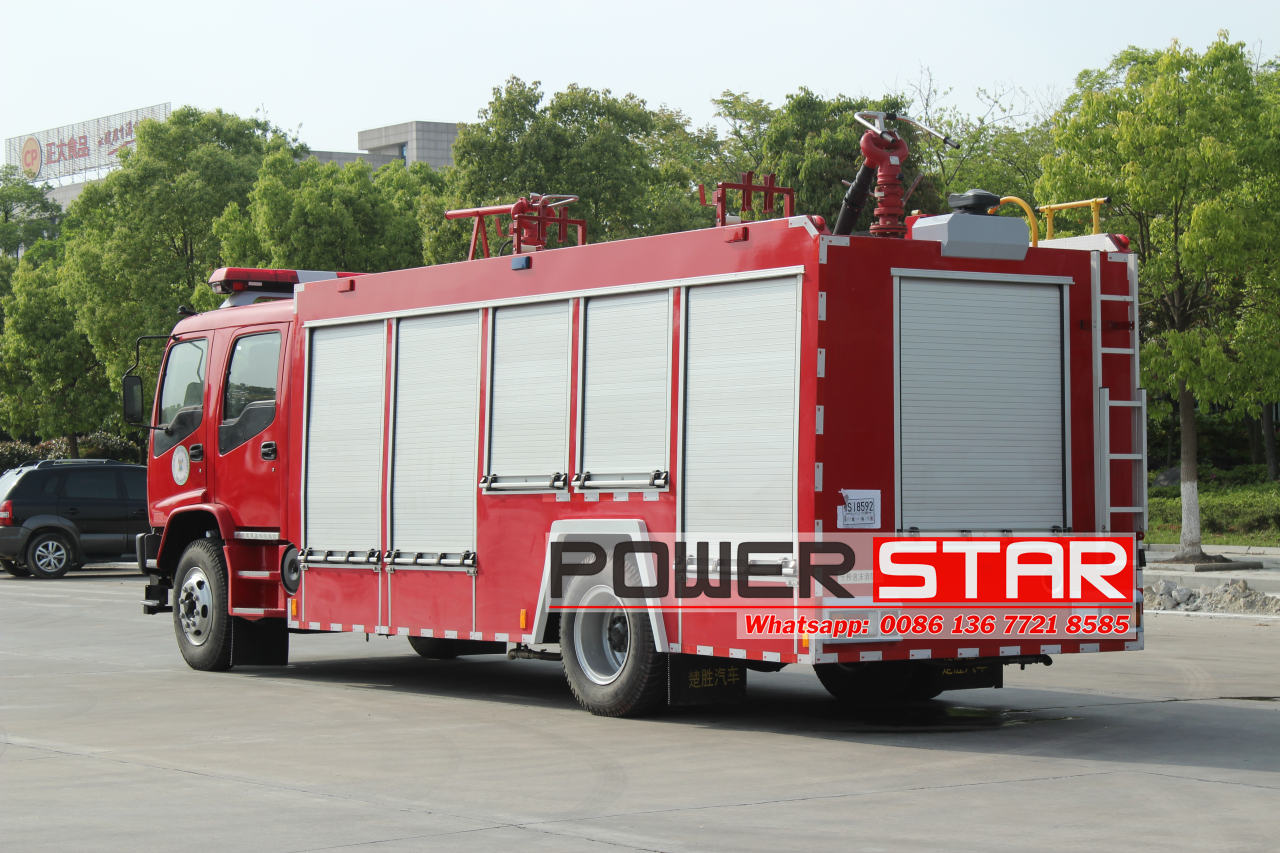
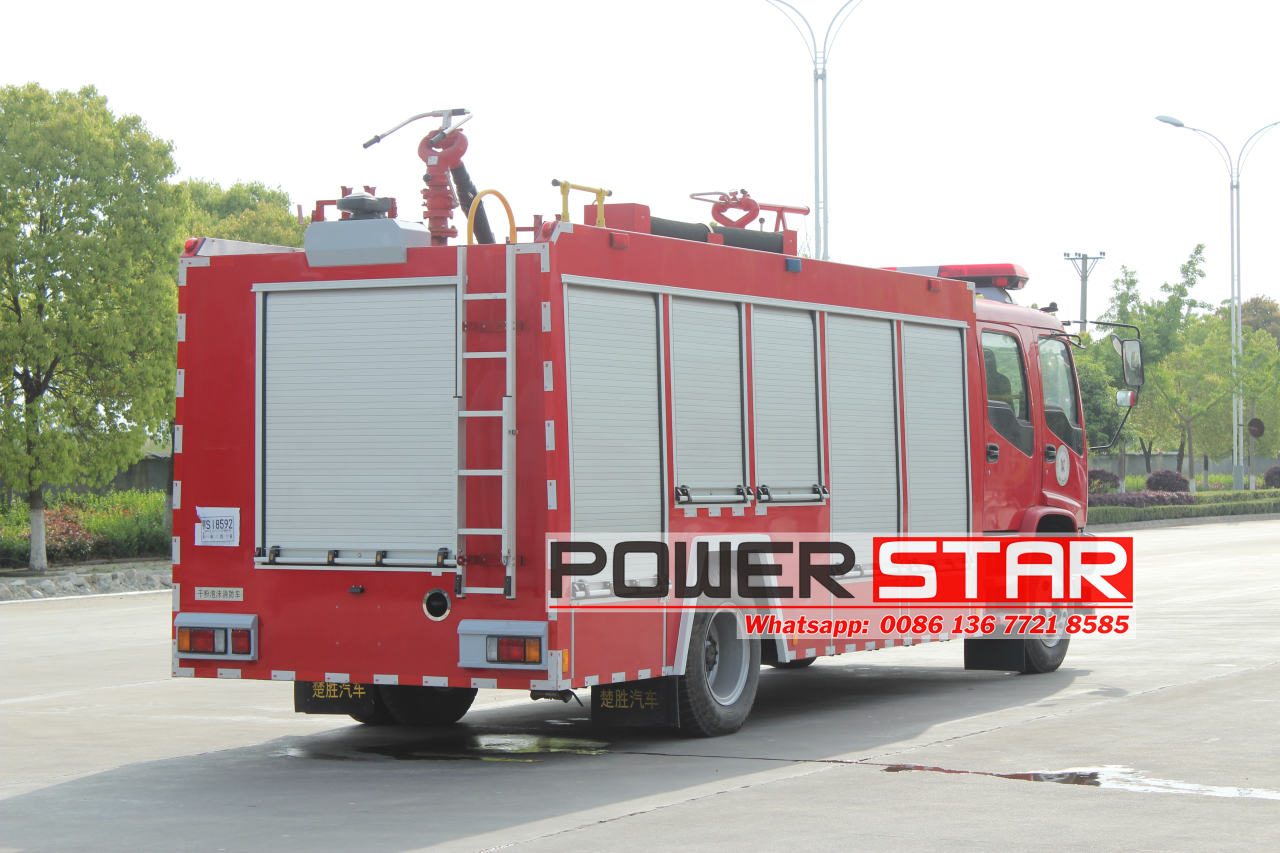
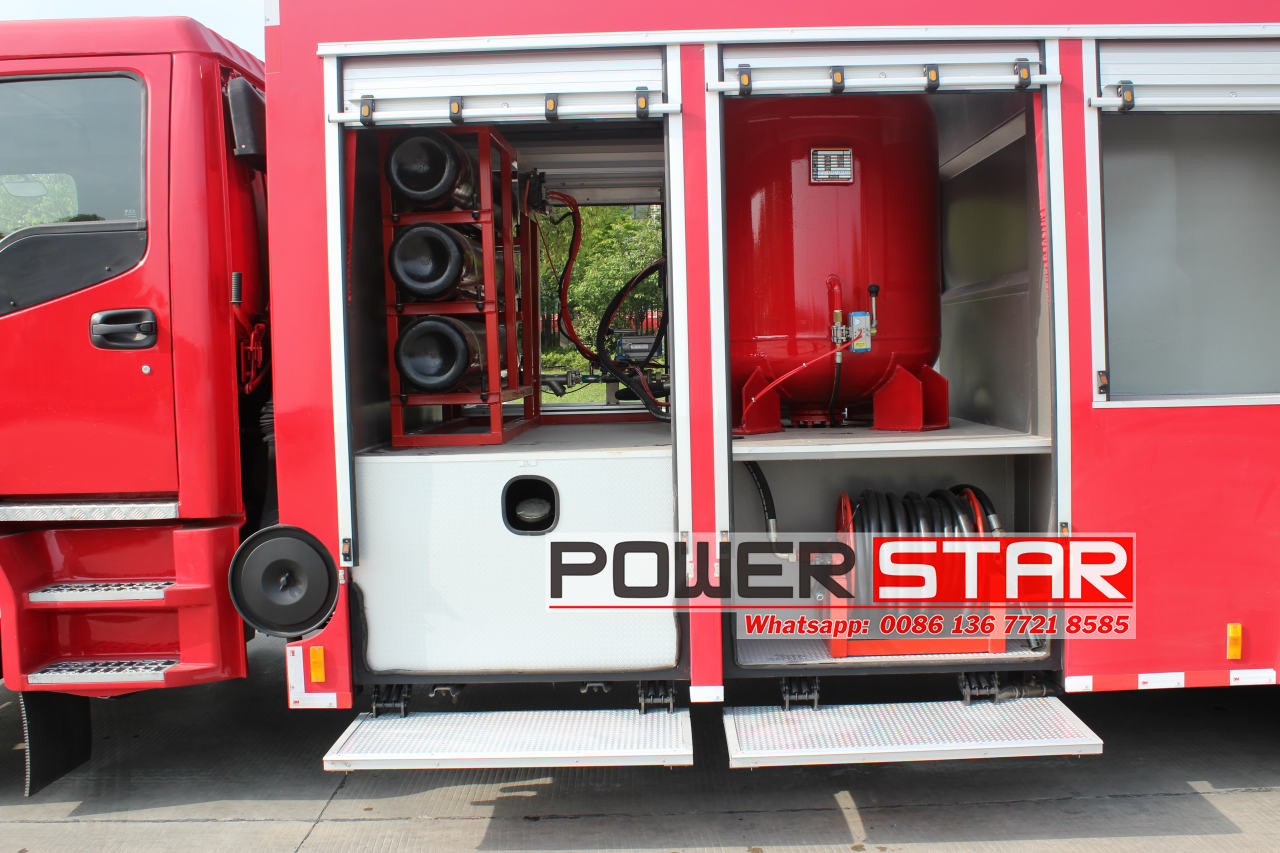
The biggest highlight of this fire truck is its foam-dry powder combined system. The vehicle is equipped with a large storage tank that can be loaded with water and foam mixture, as well as dry powder fire extinguishing agent, enabling it to quickly and effectively extinguish different types of fire sources. Especially for oil fires such as petroleum and its products, the foam fire extinguishing system can quickly isolate the air, reduce the temperature of the fire scene, and effectively control the fire. The dry powder fire extinguishing system is particularly suitable for flammable and combustible liquids, flammable gas fires and live equipment fires, greatly expanding the scope of application of the vehicle.
In terms of design, Isuzu's foam-dry powder combined fire truck fully considers the convenience of operation and personnel safety. The vehicle is equipped with an advanced electronic control system and a user-friendly operating interface, allowing firefighters to quickly and accurately operate various fire-fighting equipment in a tense fire environment. At the same time, the cab and operating platform are ergonomically designed, providing a comfortable control environment and a good field of vision, ensuring the safety and work efficiency of the operator.
In addition, the appearance and interior of the fire truck have also been fully upgraded. The body is Chinese red with white, showing a classic and atmospheric beauty, while improving the recognition of the vehicle. In terms of interior, it focuses on comfort and practicality, and uses high-quality materials that conform to contemporary aesthetics, which not only satisfies the sense of control, but also does not lose comfort and safety.
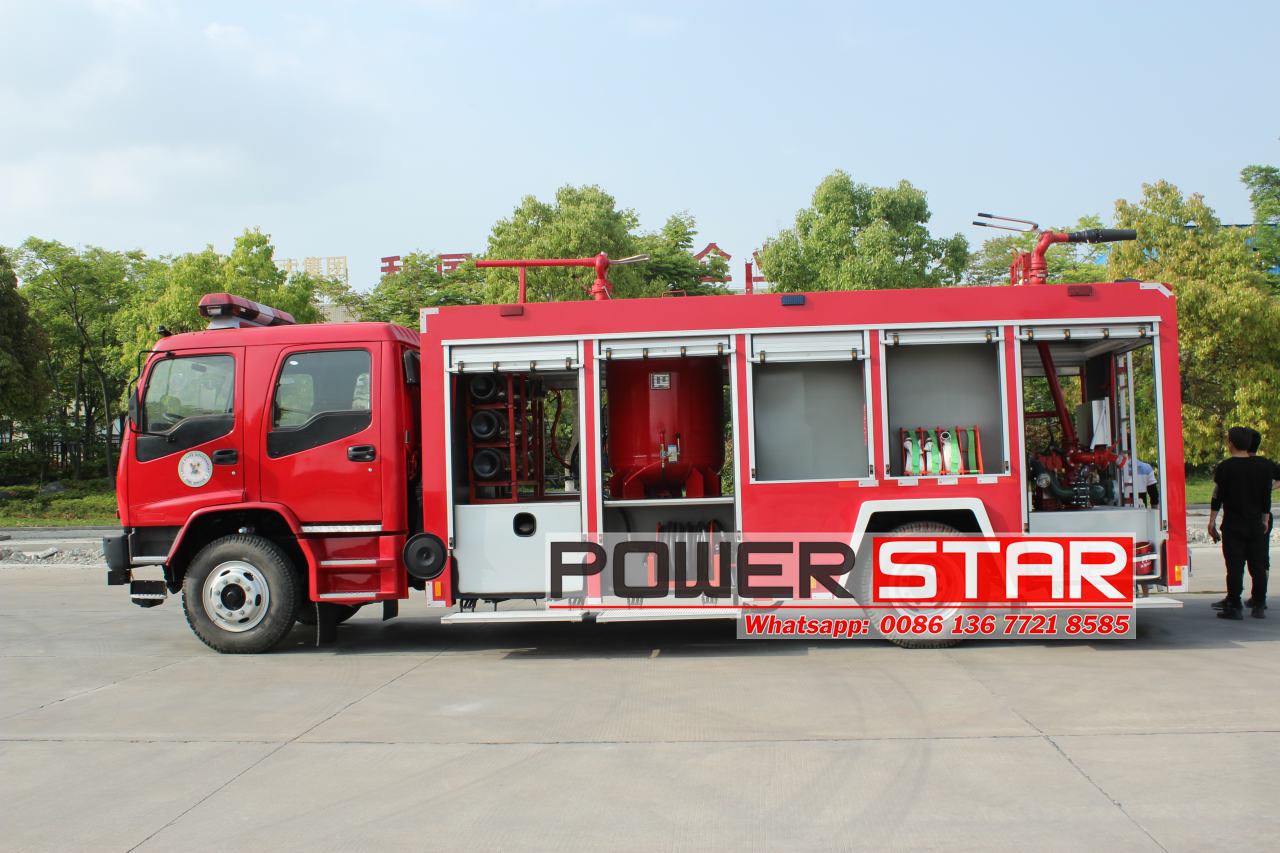
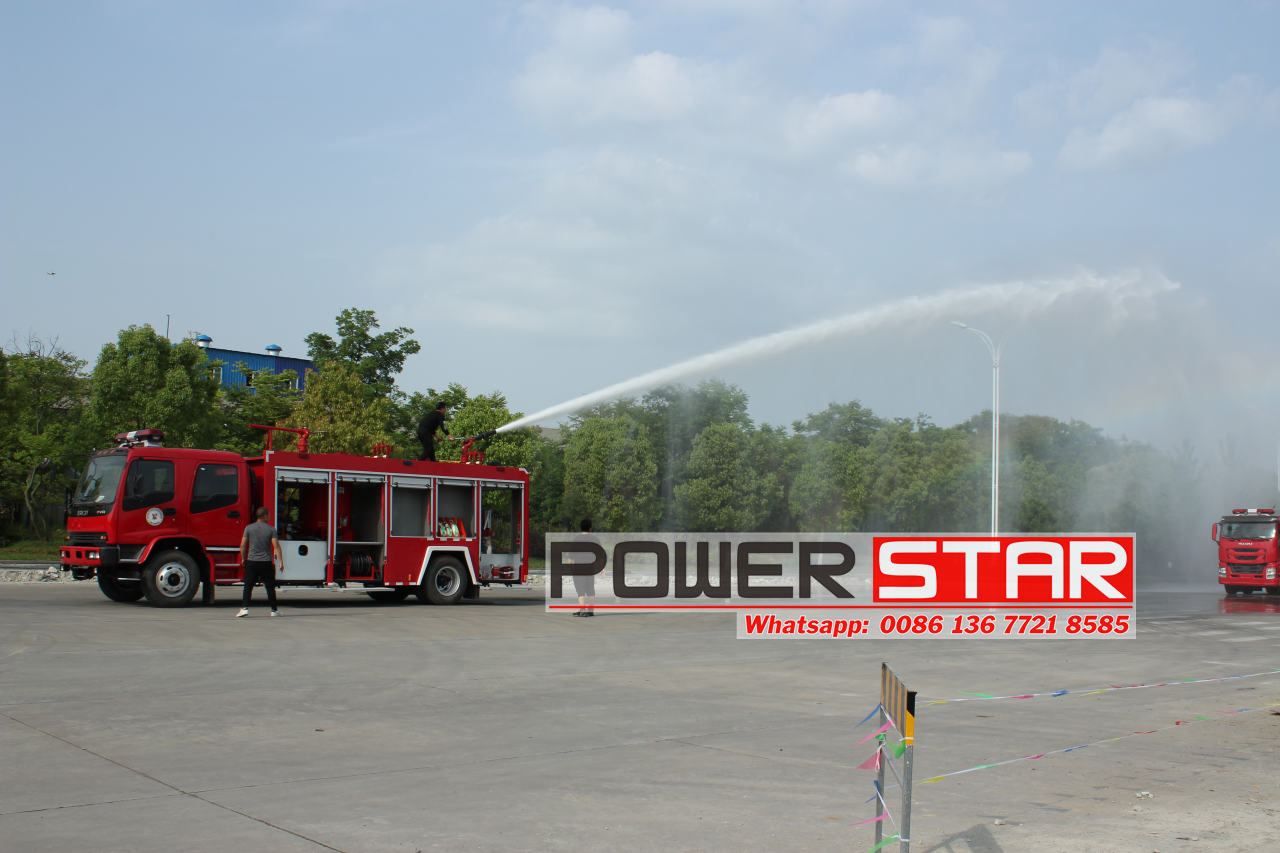
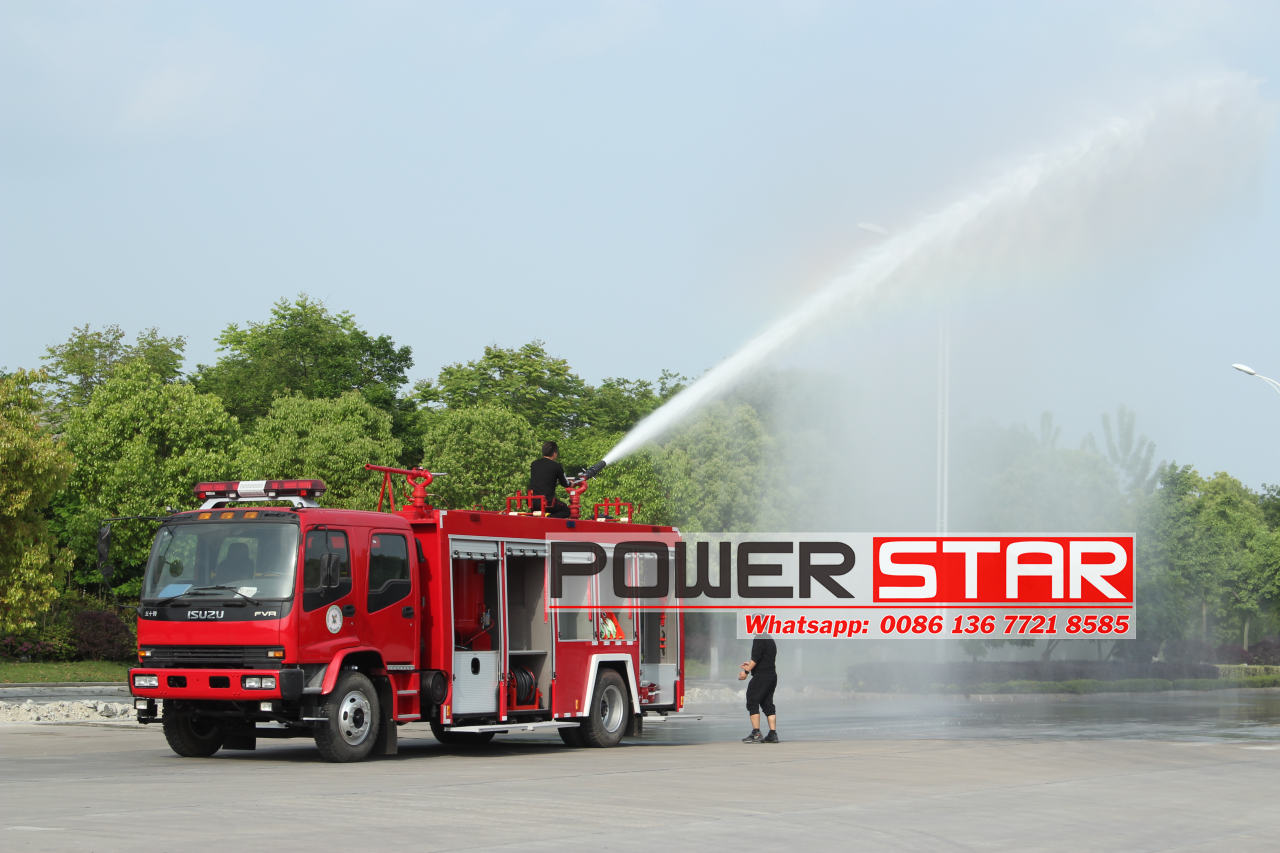
According to the relevant person in charge of Isuzu Motors Co., Ltd., this foam-dry powder combined fire truck has undergone rigorous testing and field drills, and has been successfully applied to many large enterprises and fire departments, and has been unanimously praised by users. In the future, Isuzu will continue to be committed to the research and development and innovation of fire truck technology, and provide more efficient, environmentally friendly and safe firefighting equipment for emergency rescue.
The launch of Isuzu's foam-dry powder combined fire truck not only improves the technical level of my country's firefighting equipment, but also provides stronger support for protecting people's lives and property. I believe that this fire truck will play an increasingly important role in future emergency rescue work.
The working principle of the fire truck dry powder system fire extinguishing is a complex and efficient process that combines physical and chemical principles to quickly extinguish the fire source. The following is a detailed explanation of the working principle of the fire truck dry powder system fire extinguishing:
1. System composition
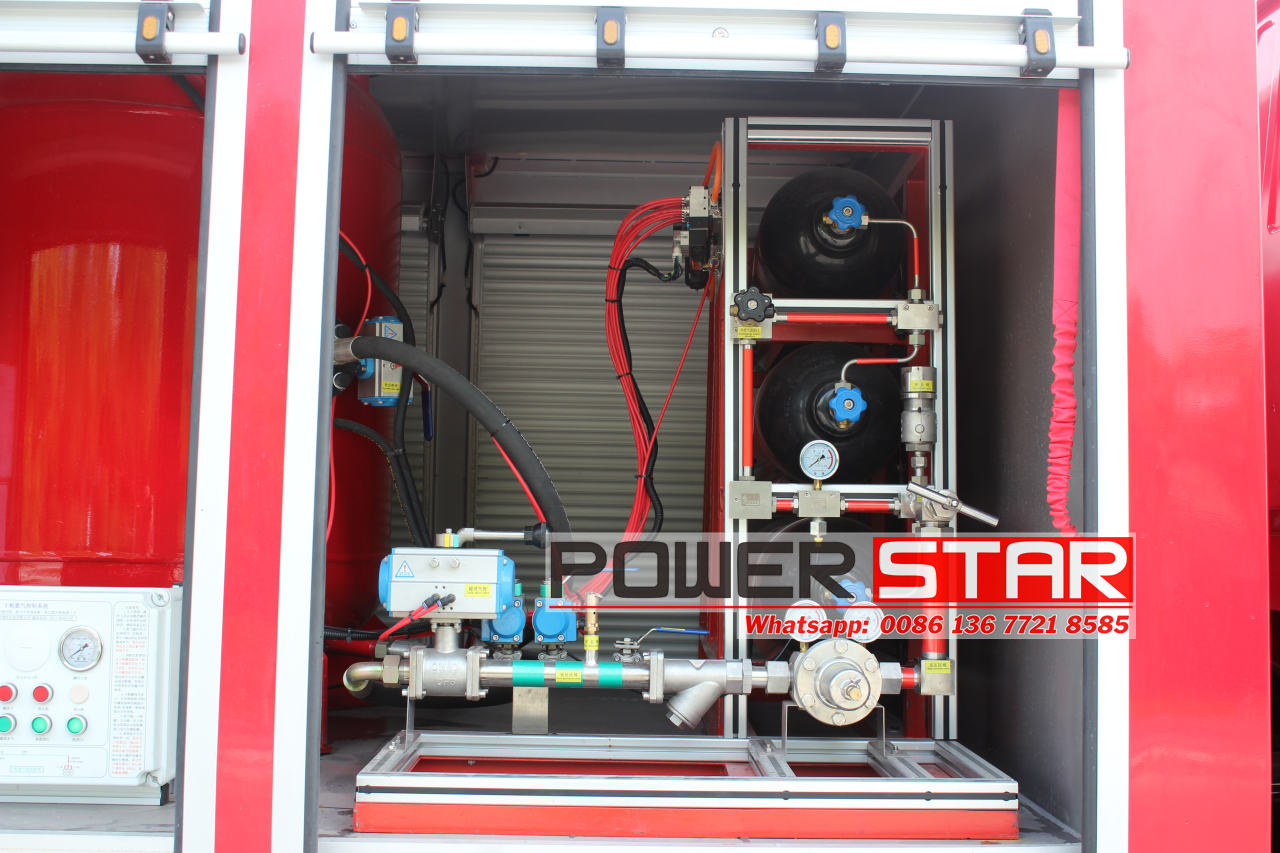
The fire truck dry powder system is mainly composed of a special chassis for fire trucks, a dry powder storage tank, a nitrogen cylinder, a dry powder system (including a dry powder cannon and a dry powder gun), etc. These components work together to ensure that the dry powder fire extinguishing agent can be accurately and efficiently sprayed onto the fire source.
2. Fire extinguishing agent preparation
Dry powder fire extinguishing agent is usually mixed with diammonium dihydrogen phosphate, talcum powder, mica powder, activated white clay, zeolite powder, hydrophobic white carbon black and other ingredients in a certain proportion, and is processed through a series of steps such as ultra-fine crushing, degreasing and dehumidification, siliconization, constant temperature drying, and drying. After mixing, these ingredients can form a dry powder fire extinguishing agent with efficient fire extinguishing performance.
3. Fire extinguishing process
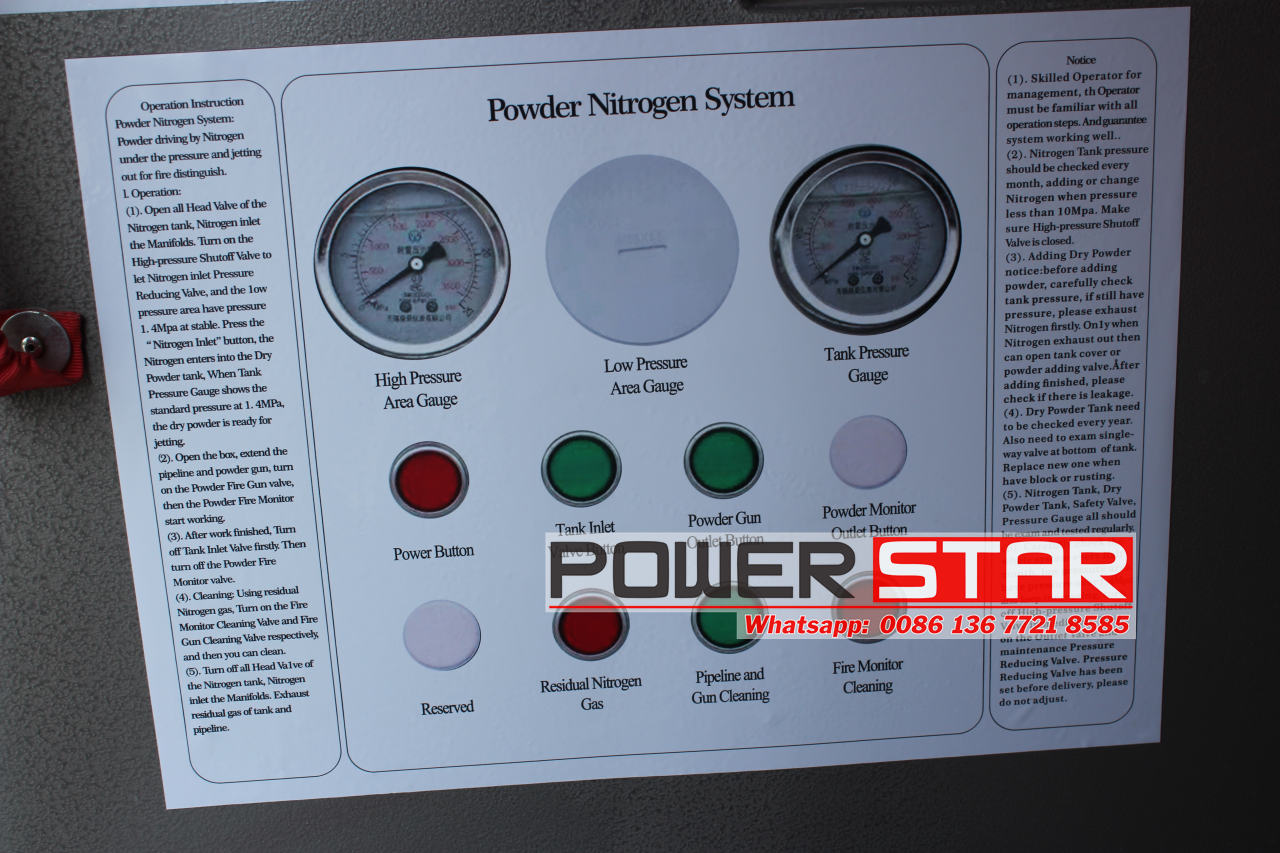
Start the nitrogen valve: When fire extinguishing is required, the operator will open the start nitrogen valve to inflate the bus. At the same time, the high-pressure air pressure reducing valve starts to supply gas, and its outlet pressure is pre-adjusted to a certain value (such as 1.6Mpa).
Gas mixing: After opening the valve from the busbar to the pressure reducing valve, the gas reduced by the high-pressure air pressure reducing valve is directly inflated into the dry powder fire extinguishing agent storage tank through the low-pressure inlet ball valve. As the gas in the dry powder tank is continuously filled, the gas and powder are fully mixed, reaching the working pressure and being in an immediate state.
Spraying fire extinguishing agent: After turning on the spray gun or cannon, aim at the fire source. Under the action of pressurized gas, the dry powder fire extinguishing agent is sprayed out in the form of powder mist, which contacts and mixes with the flame.
4. Fire extinguishing mechanism
The dry powder fire extinguishing system mainly achieves fire extinguishing through the following mechanisms:
Chemical inhibition: The volatile decomposition products of inorganic salts in the dry powder chemically inhibit and catalyze the free radicals or active groups produced by the fuel during the combustion process, interrupting the chain reaction of combustion and extinguishing the fire. This is the main mechanism of dry powder fire extinguishing.
Isolation effect: The solid powder sprayed by the dry powder fire extinguishing system covers the surface of the burning object, forming an isolation layer that hinders combustion, thereby isolating oxygen and achieving the purpose of suffocating the fire.
Cooling and dilution effect: Some dry powder fire extinguishing agents will decompose under the high temperature of the flame, absorb part of the heat and release water vapor and carbon dioxide gas, which plays a role in cooling and diluting the combustible gas. At the same time, compounds such as phosphates also have the effect of causing carbonization. They can be carbonized when attached to the surface of the burning solid, forming a poor conductor of heat, slowing down the combustion process and reducing the flame temperature.