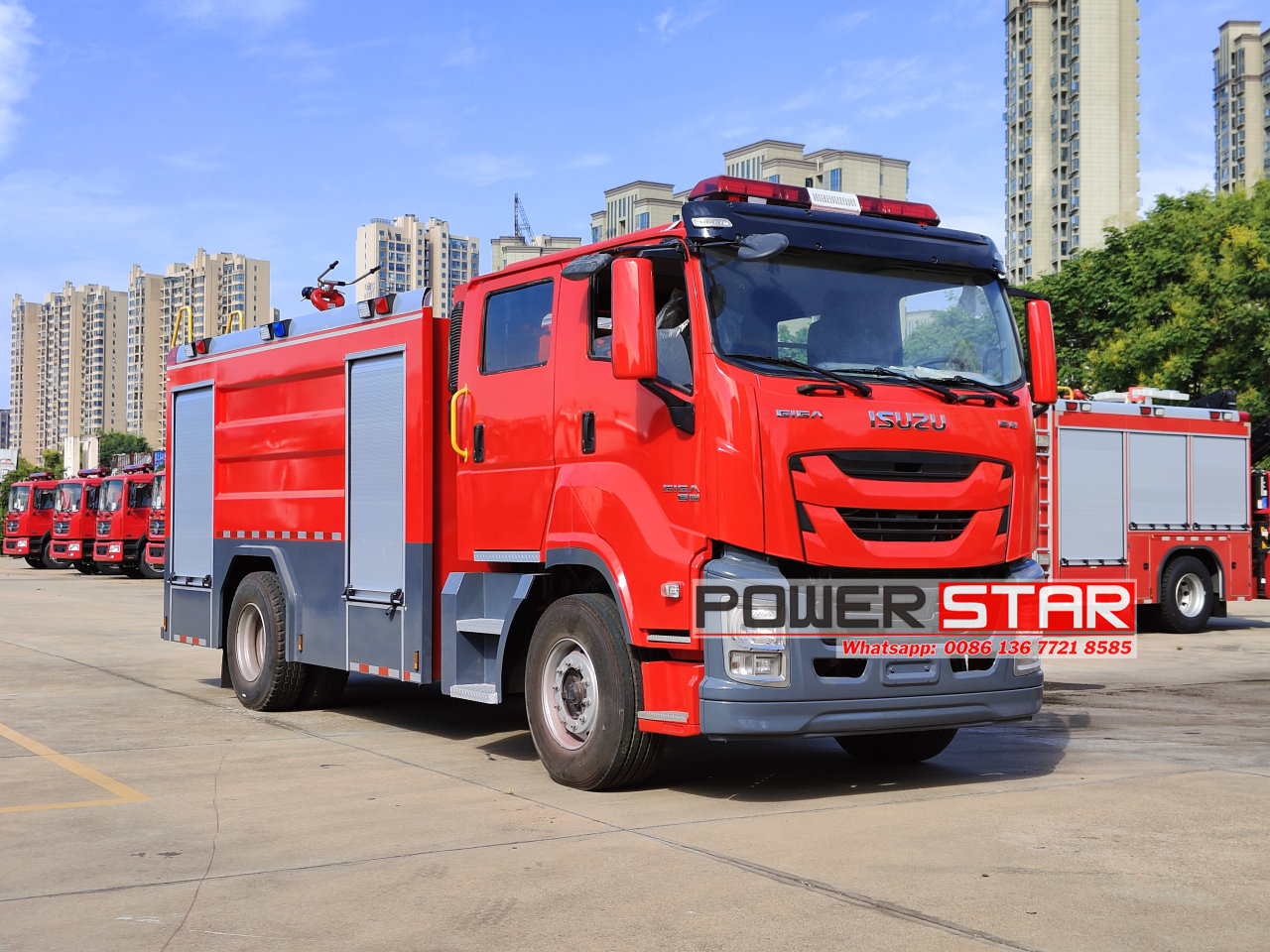
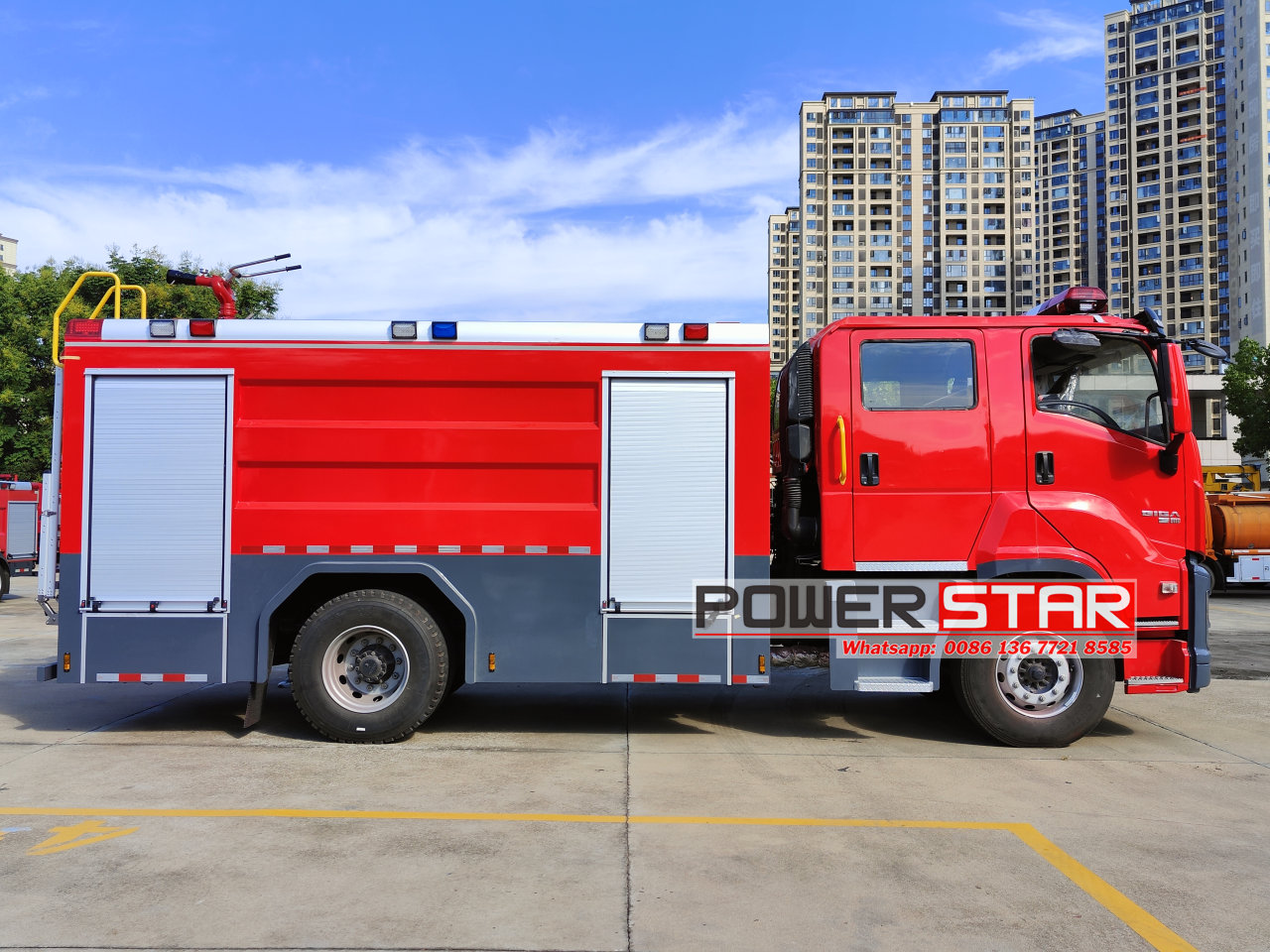
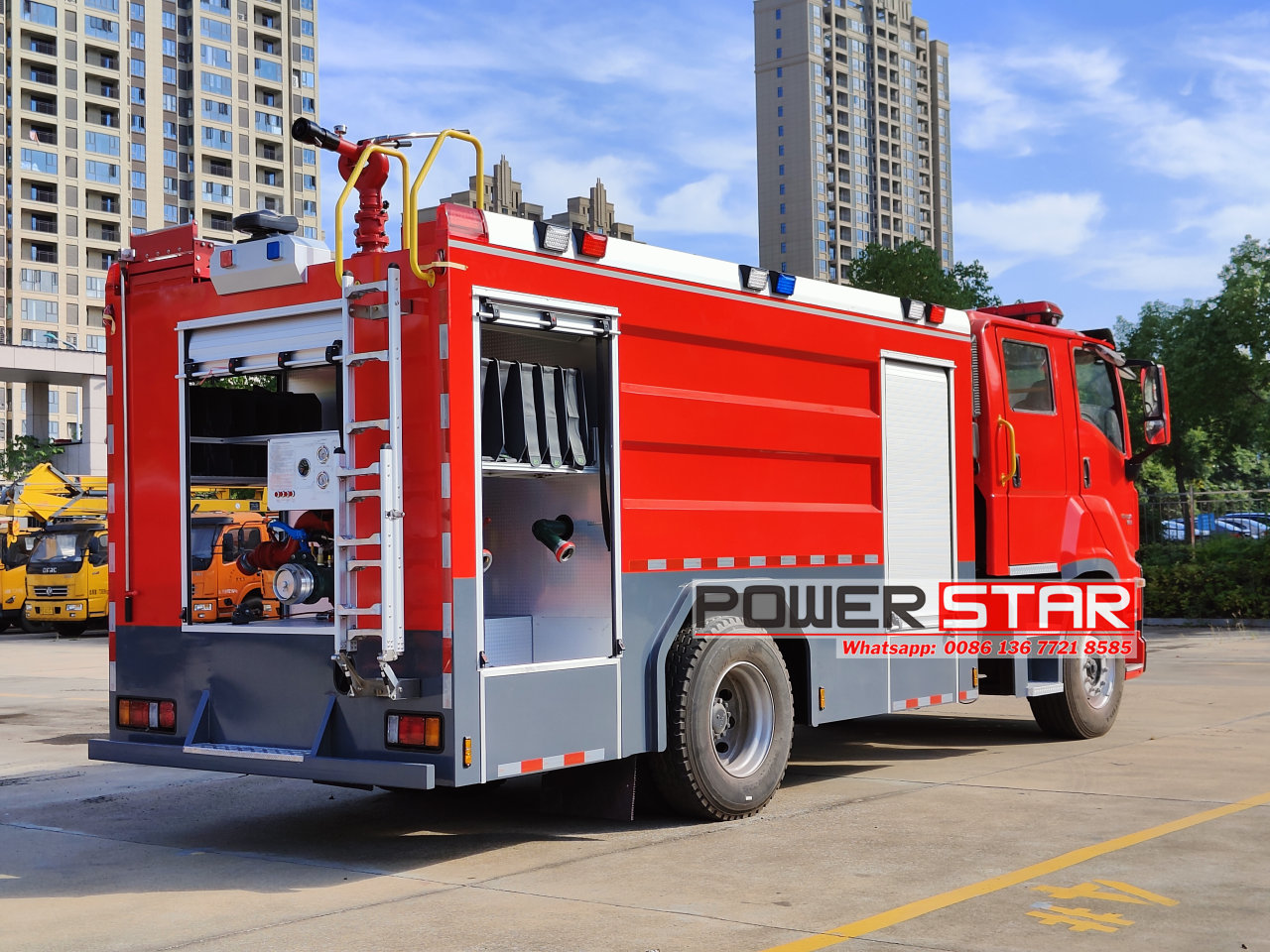
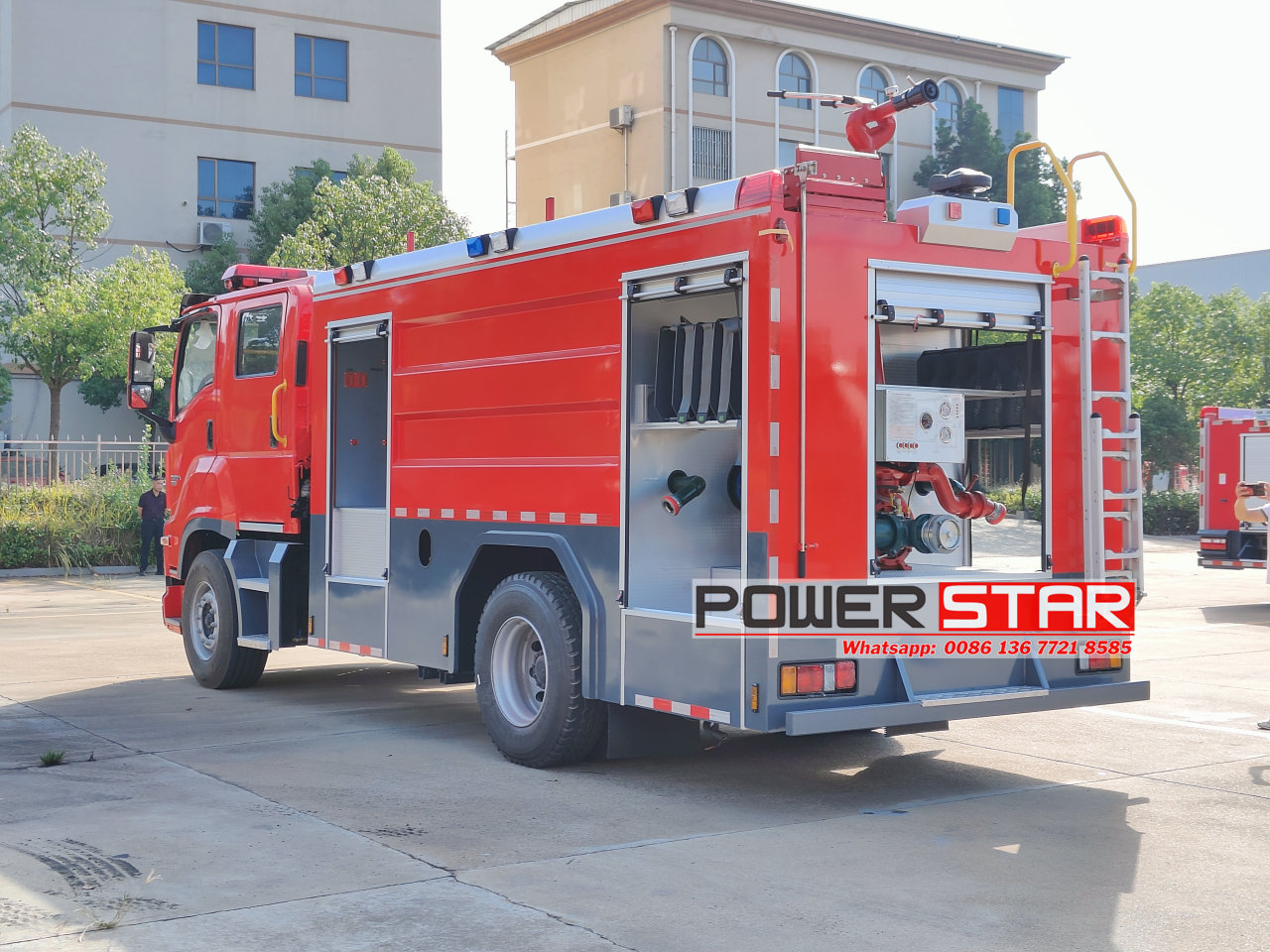
When the new Isuzu GIGA foam fire truck is delivered, a series of detailed and comprehensive inspections are required to ensure its performance, safety and reliability. These inspections not only cover the basic performance and appearance of the vehicle, but also include key fire-fighting functions and safety devices. The following are the specific contents that need to be inspected:
First, a detailed inspection of the appearance of the fire truck is carried out. This includes whether the body paint is bright and complete, whether there is any damage or rust; whether the body logo and lamps are intact, whether there is any damage or detachment; whether the rearview mirror, front and rear glass are clear and not broken, to ensure that the driver's vision is not obstructed; at the same time, it is also necessary to check whether the tire pressure is normal, whether the front and rear bumpers are damaged, to ensure the stability and safety of the vehicle during driving.
Secondly, a comprehensive inspection of the power system of the fire truck is carried out. The power transmission system such as the engine, transmission, clutch, etc. should operate normally without abnormal noise, oil leakage, etc. Through tests under different working conditions such as rapid acceleration, slow acceleration, fast acceleration, and idling, observe the working condition of the engine to ensure stable and reliable power output. In addition, it is also necessary to check whether the engine oil, gear oil, gasoline, cooling water, etc. are fully added, and whether the battery electrolyte is sufficient to ensure the normal operation of the vehicle.
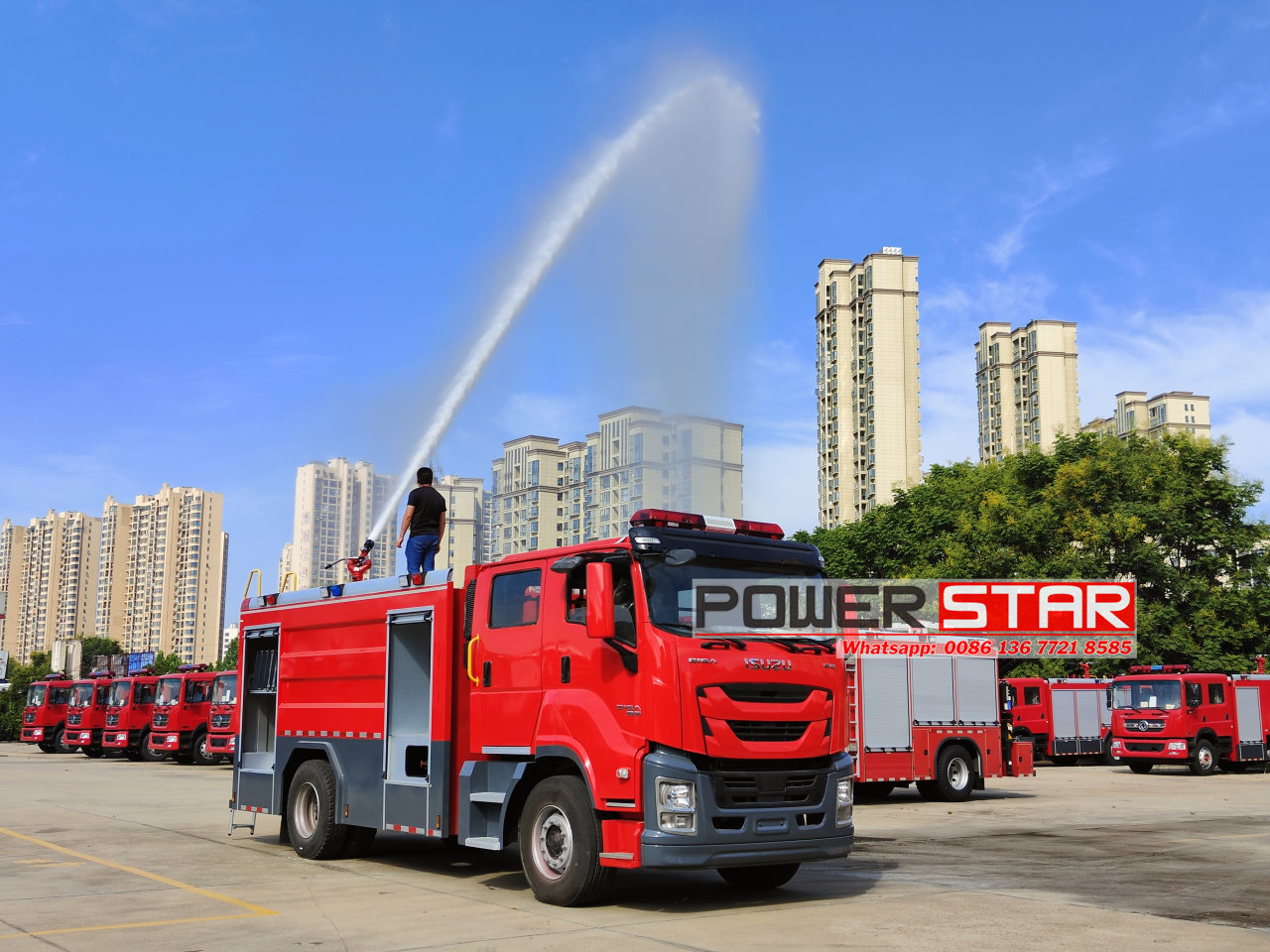
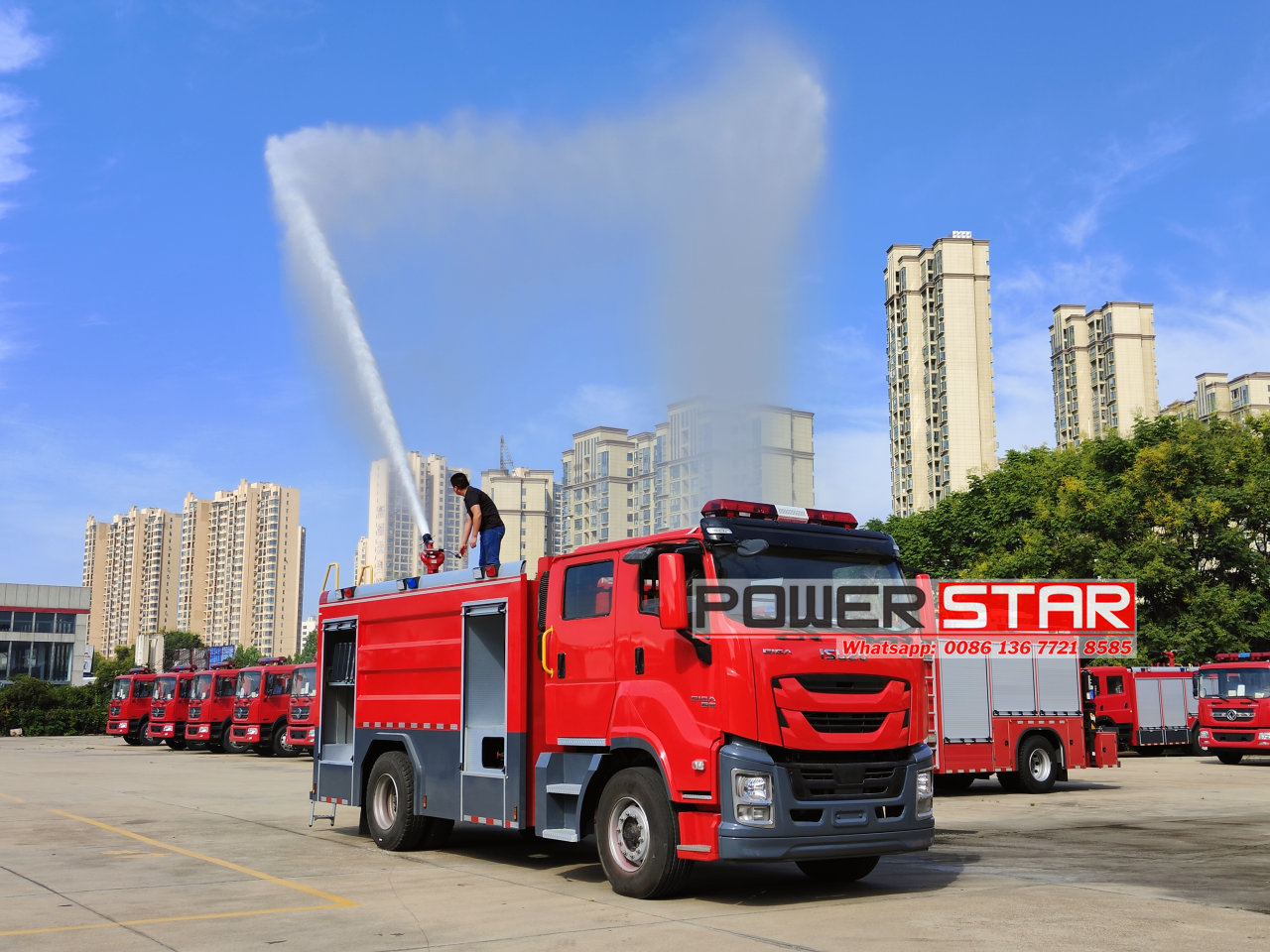
In terms of fire-fighting functions, focus on checking the quality of the foam liquid in the foam tank to ensure that the foam liquid has not expired or deteriorated to ensure its effectiveness during the fire-fighting process. At the same time, test the performance parameters of the fire pump such as lift and flow, and check whether the water system is unobstructed and whether there is any leakage. The fire cannon and the injection system also need to be tested to ensure that the range, injection angle, etc. meet the requirements and can play the best effect during the fire-fighting process.
In addition, the braking system, steering system, and suspension system of the fire truck need to be tested. The braking system should have good braking performance and stability to ensure that it can stop in time in an emergency. The steering system should be flexible and stable to ensure that the vehicle can turn accurately. The suspension system should work properly to ensure the stability and comfort of the vehicle during driving.
The inspection of the accompanying equipment should also not be ignored. Fire extinguishers, fire hammers, fire axes and other equipment should be complete and intact, and the quantity should meet the specified requirements. Seat belts and seats also need to be checked to ensure that they are intact and seats are stable to provide safety for passengers.
Finally, emergency escape devices, alarms and communication systems need to be tested. Emergency escape doors, escape ladders and other escape devices should be flexible and available to ensure rapid evacuation in an emergency. Alarms, intercoms and other communication equipment should work properly to ensure timely communication during firefighting and rescue.