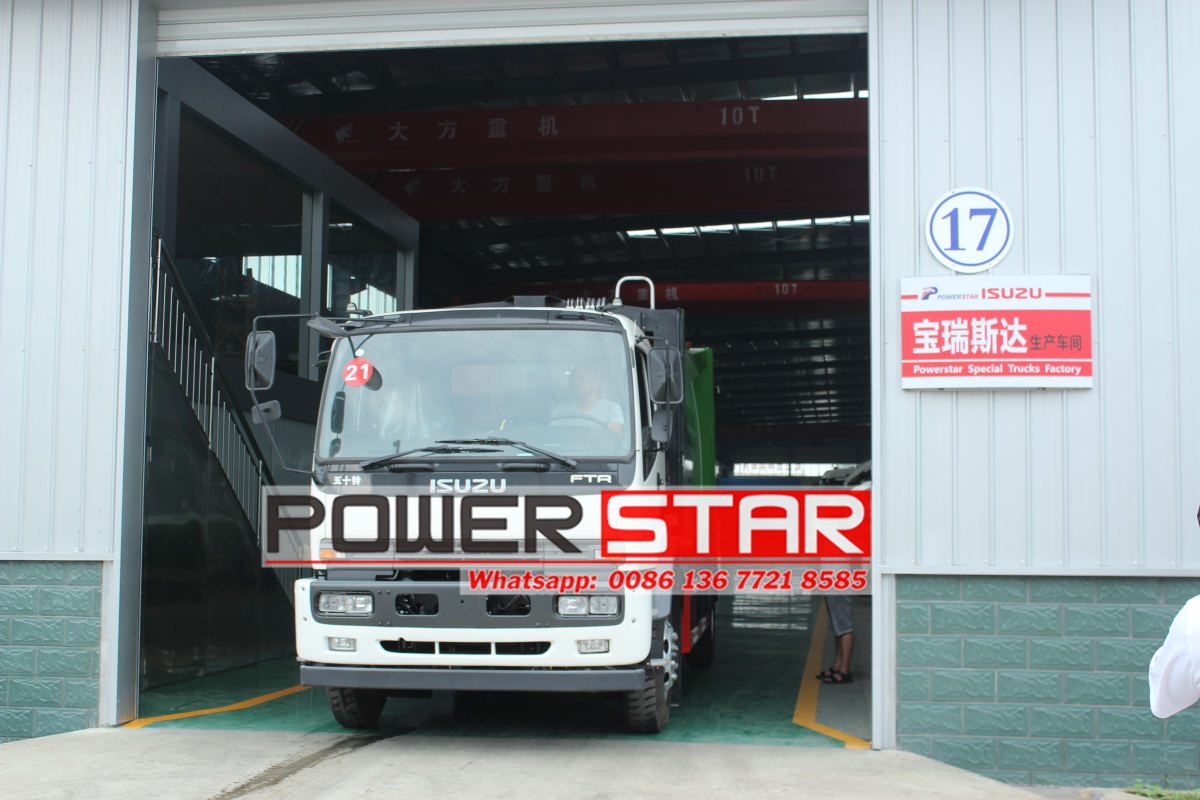
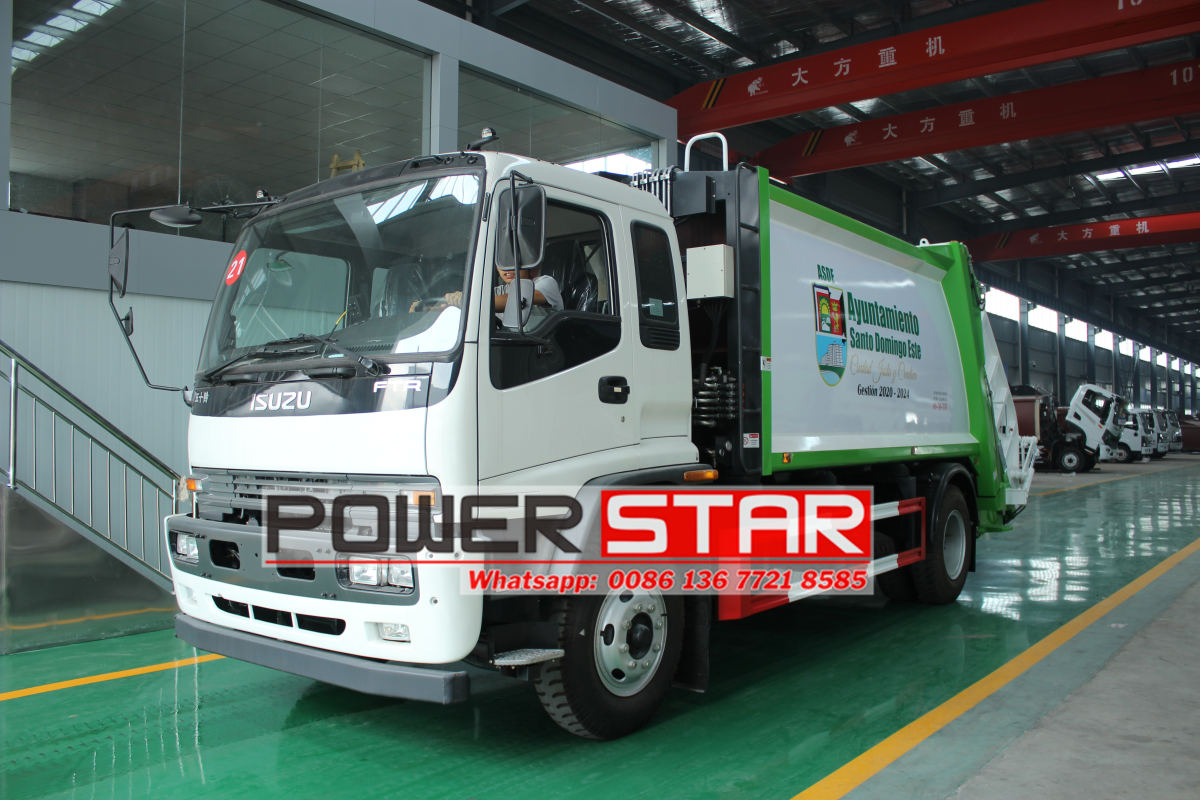
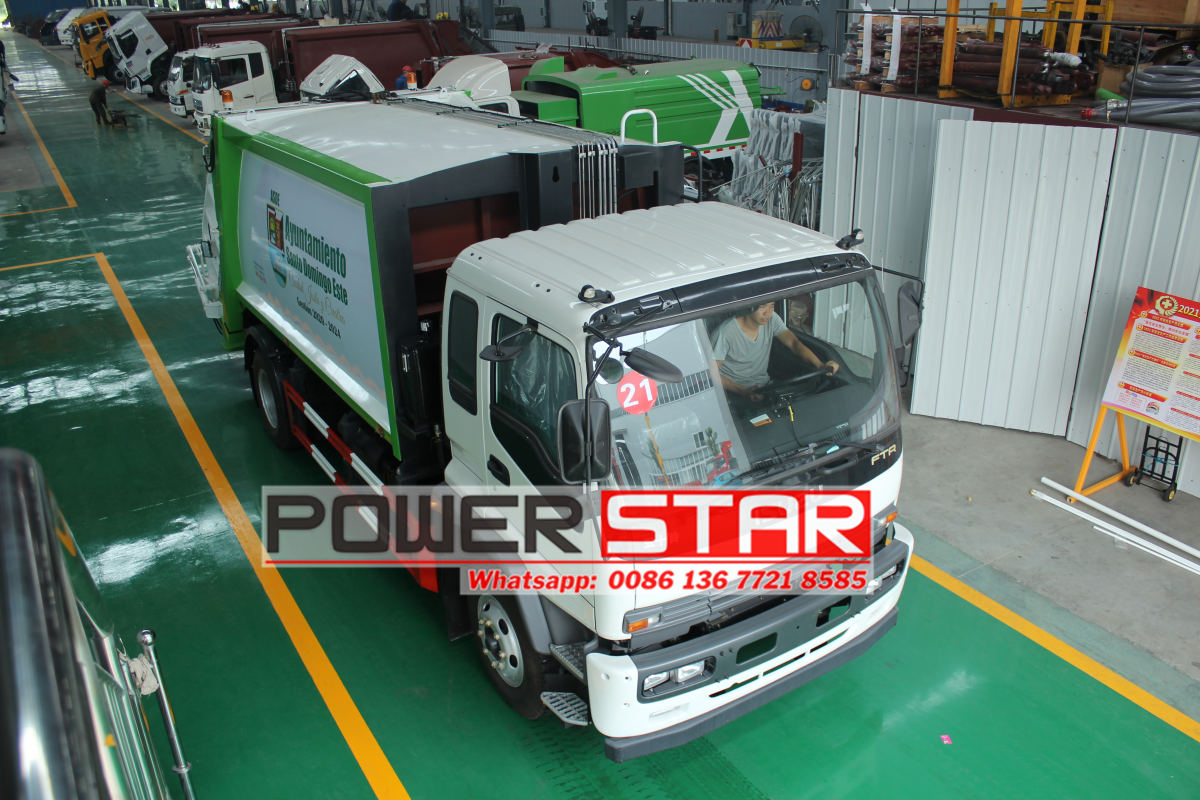
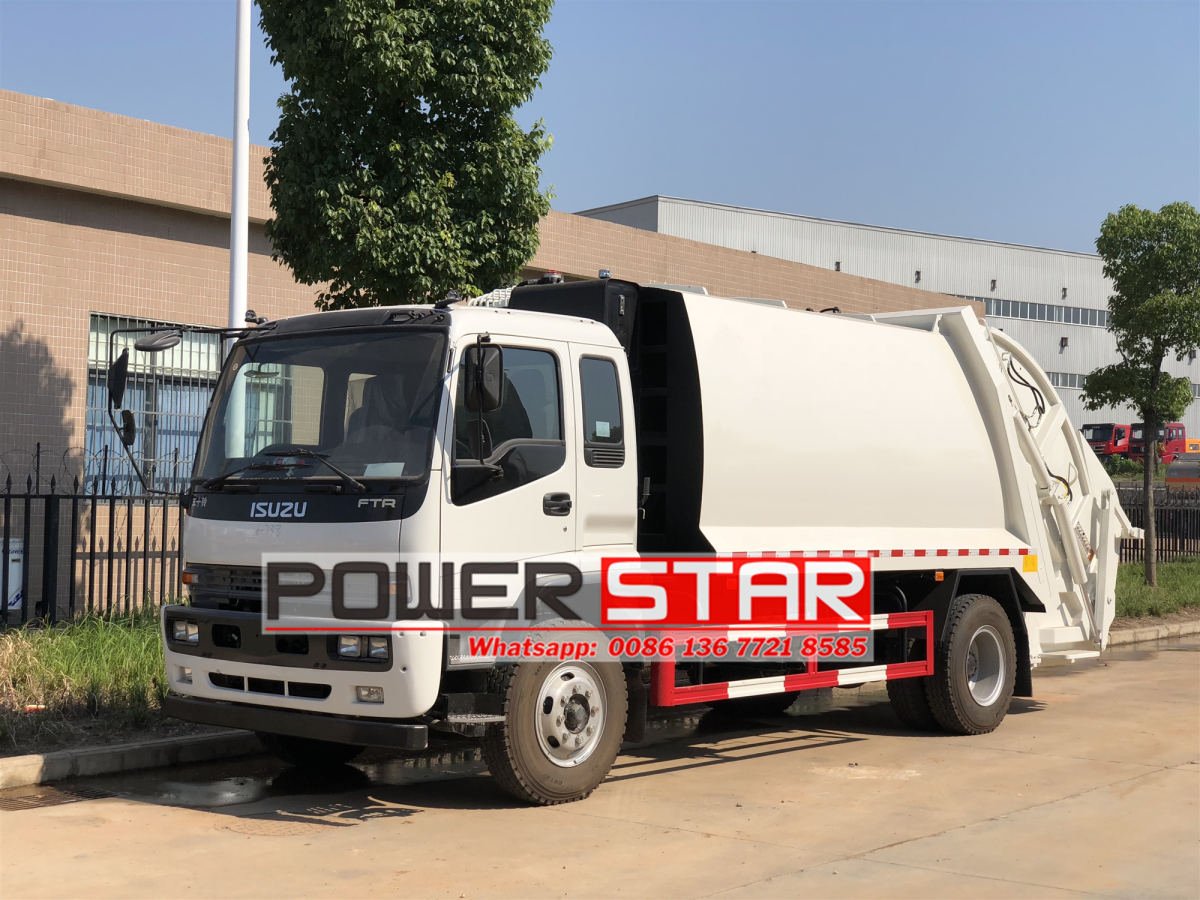
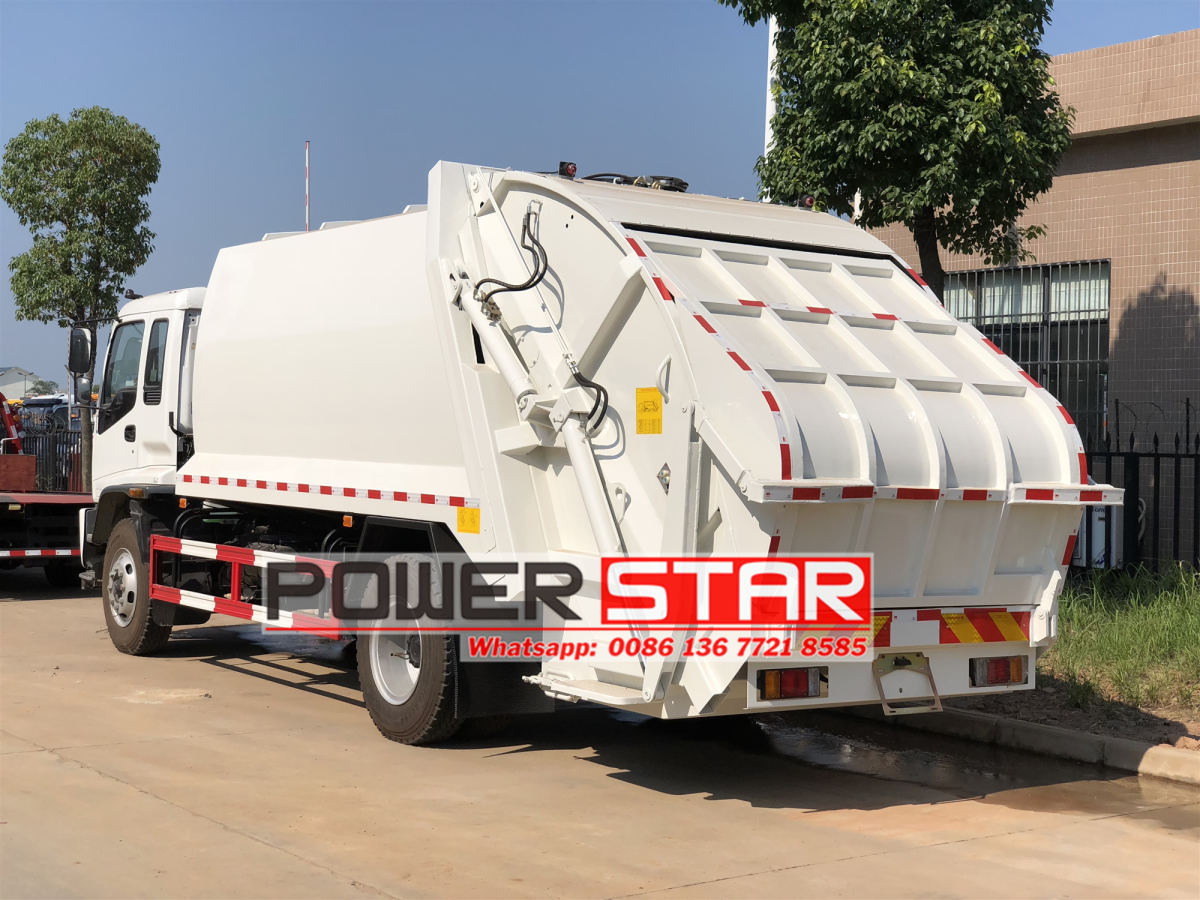
Used Isuzu trash truck compactor, also named second-hand Isuzu rear loader or Used garbage compactor truck Isuzu,
Technical Guide for Purchasing Second-hand Isuzu brand Compressed Garbage Trucks
1. Clarify Demands and Budget
Purpose positioning: Determine the vehicle usage scenario (community garbage collection, industrial waste treatment, etc.), select the appropriate compression ratio, box capacity (recommended 8-15 cubic meters) and chassis power (recommended National VI emission standard).
Budget range: The price range of mainstream models in the second-hand market in 2025 (such as Dongfeng, Foton, and Sinotruk) is 120,000-300,000 yuan, which fluctuates according to the age of the vehicle (3-8 years) and the condition of the vehicle.
2. Key points for core technical inspection
1. Chassis system
Engine: Check whether there is black smoke or abnormal noise during operation, and read OBD data to confirm that there is no historical fault code.
Mileage: Combine the dashboard data with the maintenance record comparison, and be cautious if it exceeds 300,000 kilometers.
Girder and suspension: Focus on checking whether the welding parts are cracked to avoid accident vehicles.
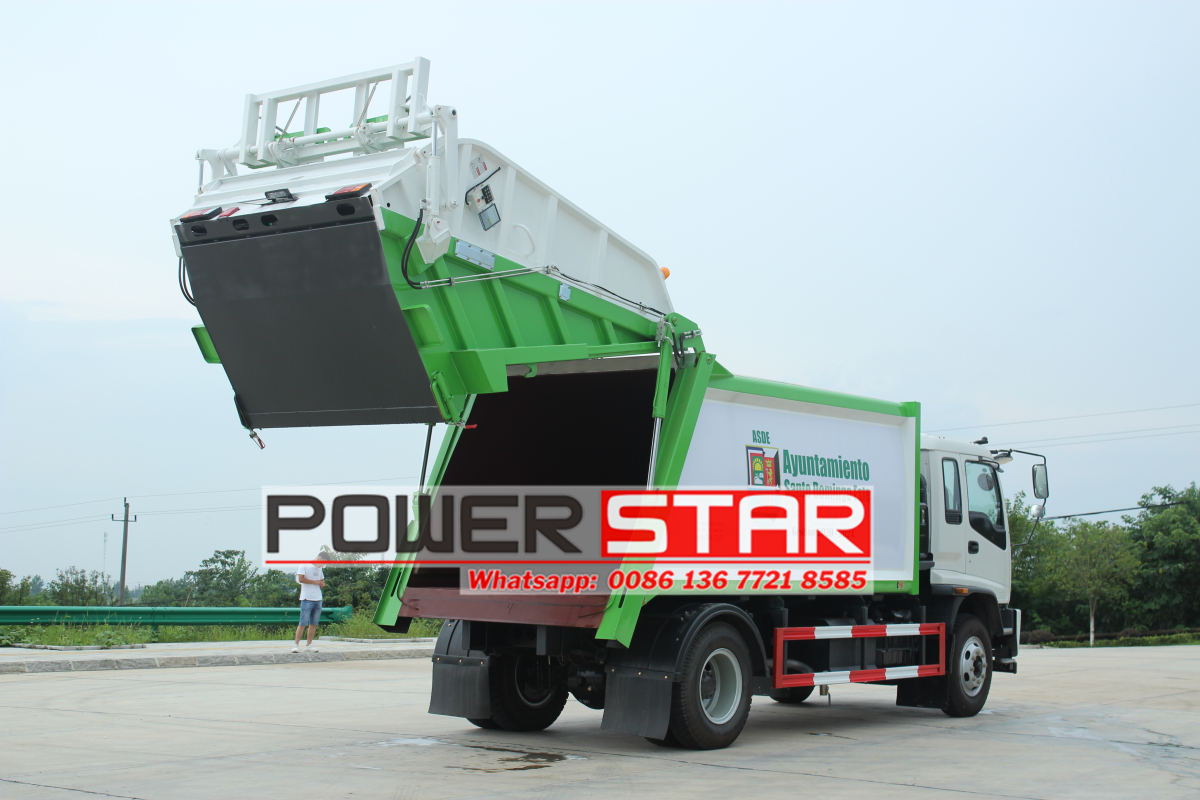
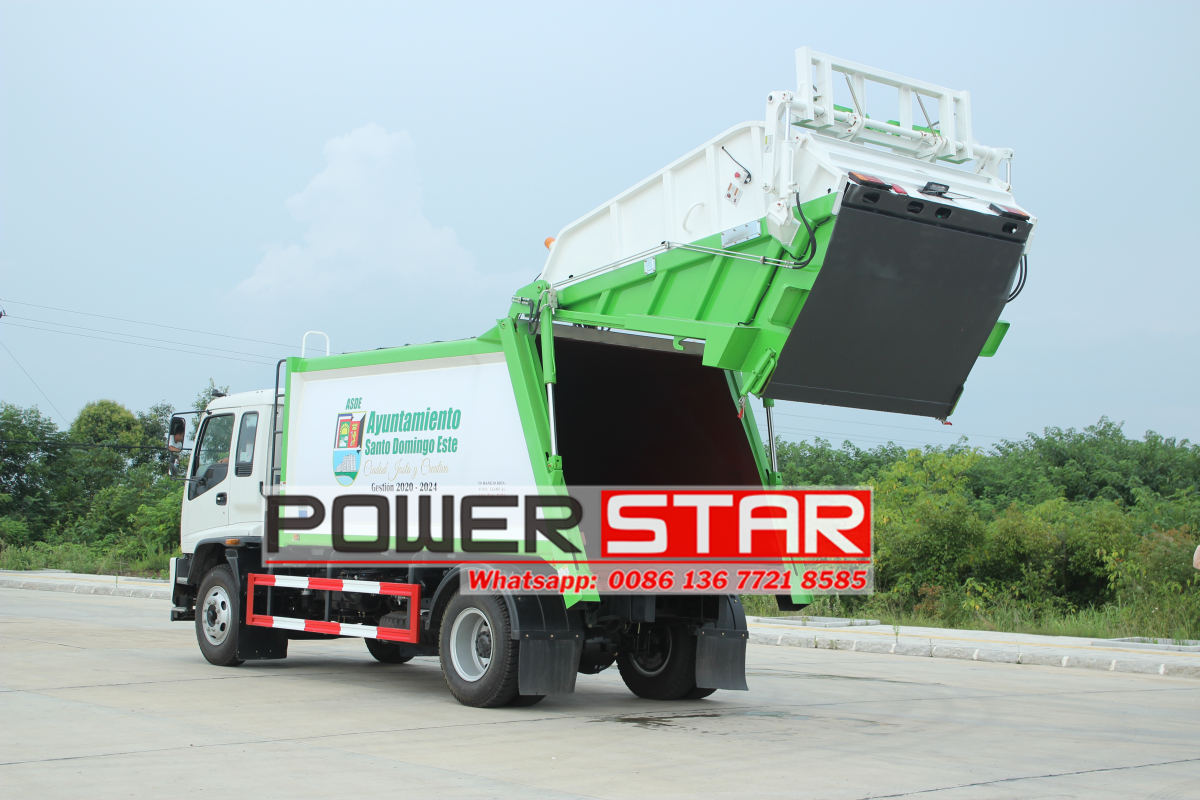
2. Compression mechanism
Hydraulic system: After starting, observe whether the oil cylinder is lifted and lowered smoothly, and check the hydraulic pump pressure (normal value 18-25MPa).
Compression plate and guide rail: Manually test the sliding of the compression plate, and replace it if the wear exceeds 3mm.
Sealing: Spray foam water after closing the box door to check whether the hydraulic oil pipe and joint are leaking.
3. Box structure
Inner wall corrosion: Use a thickness gauge to detect the thickness of the box steel plate. There is a risk if it is lower than 80% of the original factory standard.
Drainage system: Check whether the drainage valve at the bottom of the box is unobstructed to avoid corrosion by garbage leachate.
4. Electrical control
PLC control panel: Test the sensitivity of each button and read the fault history.
Sensor: Verify whether the weighing system (within ±50kg error) and the box full alarm function are normal.
3. Legal formalities verification list
Document review:
Vehicle registration certificate (confirming non-mortgage/seizure status)
Environmental certification (must comply with GB17691-2018 standards after 2023)
Road transport license (required for operating vehicles)
Traffic violation record: Check unprocessed tickets through the "Traffic Management 12123" APP.
4. Test operation process
No-load test:
Complete 5 compression-unloading cycles in a row and observe the continuity of the action
Record the hydraulic oil temperature (normal ≤80℃)
Load test:
Load 70% of the rated weight of garbage and test the steering assist and braking distance (30km/h braking distance ≤10m)
5. Price evaluation reference (market conditions in 2025)
Vehicle age/brand Dongfeng Tianjin Sinotruk Howo Foton Aumark
3-year-old car ¥280,000-320,000 ¥300,000-350,000 ¥250,000-280,000
5-year-old car ¥180,000-220,000 ¥200,000-250,000 ¥160,000-200,000
8-year-old car ¥120,000-150,000 ¥140,000-180,000 ¥100,000-130,000
Bargaining basis: Replacement of hydraulic pump (-5,000 yuan), engine overhaul record (-12,000 yuan), box repair welding (-3,000 yuan/place)
6. Matters needing attention in contract signing
Clearly mark "Frame number and engine number are consistent"
Additional clause example:
"The seller guarantees that the hydraulic system will be fault-free within 30 days after delivery, otherwise it will bear 50% of the repair costs"
7. Subsequent maintenance suggestions
Must-replace parts: hydraulic oil (full replacement after first taking over), air filter
Monitoring cycle: monthly inspection of cylinder seals, quarterly calibration of weighing sensors
Technical tips: Prioritize models with "Yunzhitong" system (such as Jiefang J6), which can warn of compression system failures in advance through remote monitoring.
Through systematic testing and standardized processes, the risk of second-hand equipment failure can be reduced by more than 30%. It is recommended to entrust a third-party testing agency (such as TÜV or Dr. Cha) to issue a professional report before trading.