Isuzu giga dry powder fire vehicle compressed air foam system introduction and detection method
As a multi-functional Isuzu giga firefighting vehicle, Isuzu dry powder fire truck is not only equipped with a dry powder fire extinguishing system, but also equipped with an efficient compressed air foam system (Compressed Air Foam System, referred to as CAFS). This system forms high-quality foam by mixing water, foam liquid and compressed air, which is used to quickly and effectively extinguish the fire source.
Introduction to compressed air foam system
The compressed air foam system is mainly composed of a water system, a foam system, an air compression system and a control system. The water system provides the water flow required for fire extinguishing, the foam system is responsible for providing foam liquid, and the air compression system generates compressed air with a certain pressure. The control system is responsible for adjusting key parameters such as the mixing ratio, the flow rate of the foam liquid, and the dryness and wetness of the foam.
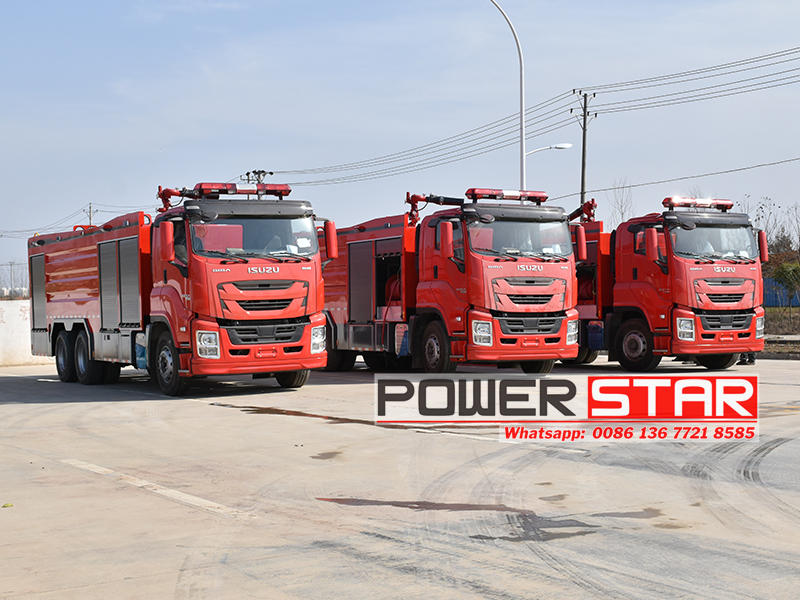
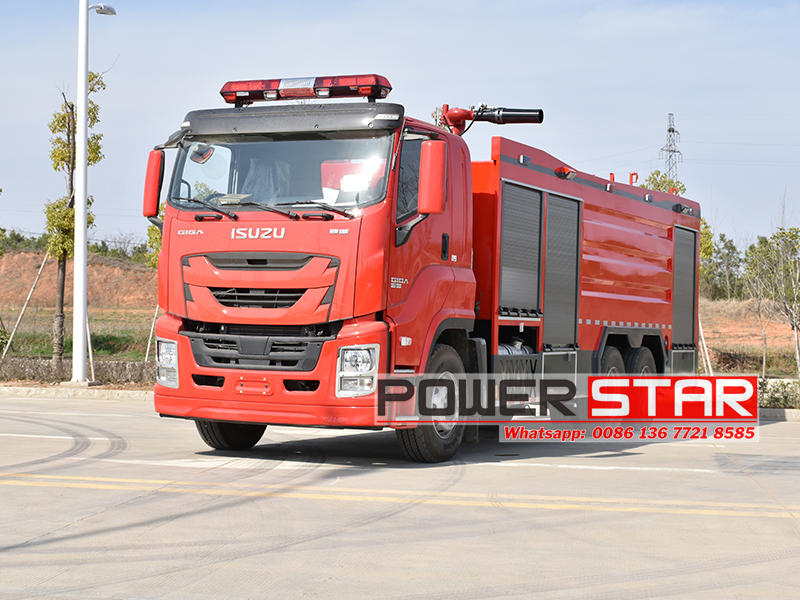
Water system: provides a stable water flow, usually driven by a fire pump to ensure sufficient water pressure and water volume.
Foam system: includes a foam liquid tank and a foam liquid pump, and the foam liquid is pumped into the mixing pipeline by a pump.
Air compression system: includes an air filter, an air compressor, a gas storage bottle, etc., to ensure the provision of dry, clean and compressed air with a certain pressure.
Control system: collect information and adjust the mixing ratio to ensure the quality of the foam and the fire extinguishing effect.
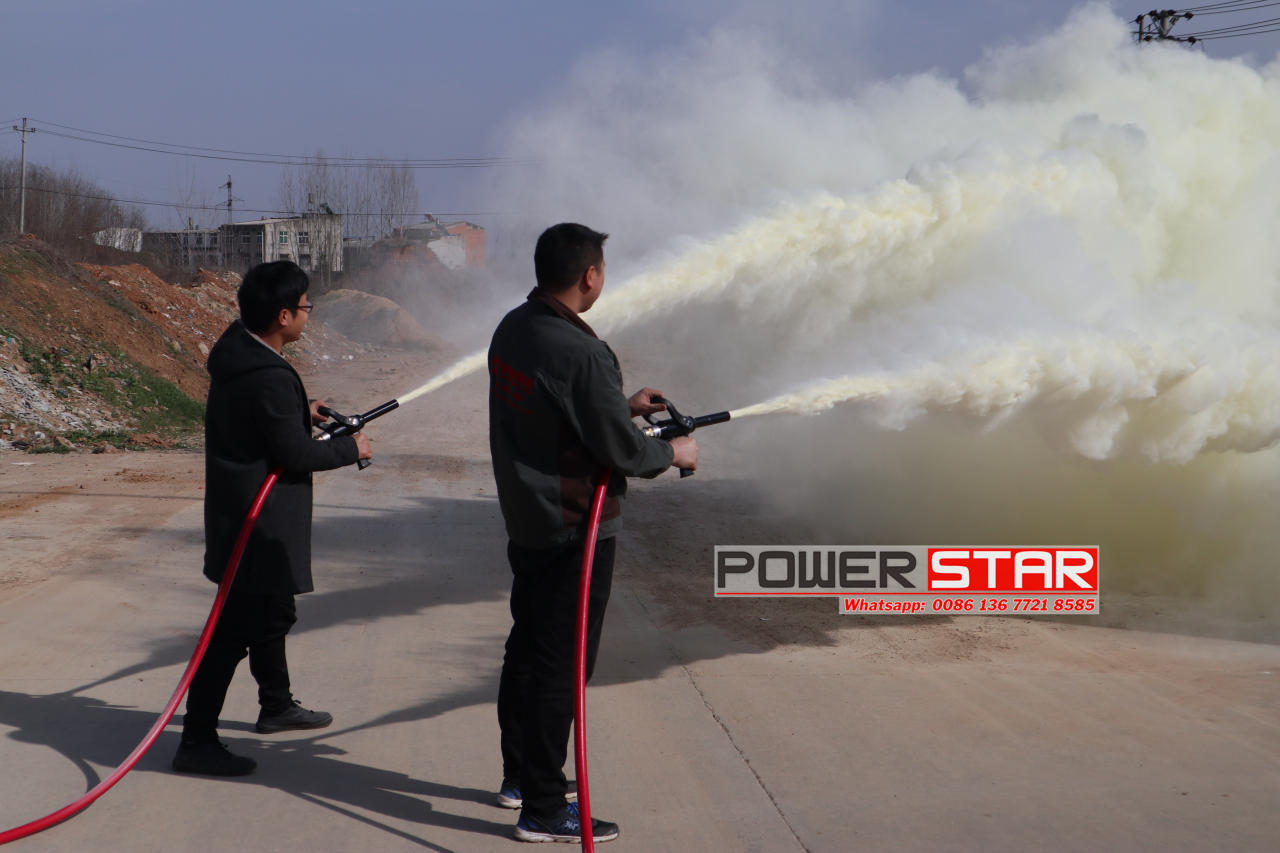
When the compressed air foam system is working, water, foam liquid and compressed air are mixed in the pipeline to form a foam mixture, which is sprayed out through the spraying device. This foam can effectively isolate oxygen and reduce the flame temperature, thereby quickly controlling the fire.
Methods for testing compressed air foam systems
In order to ensure that the compressed air foam system can work properly at critical moments, regular and detailed inspections are required. The inspection steps include:
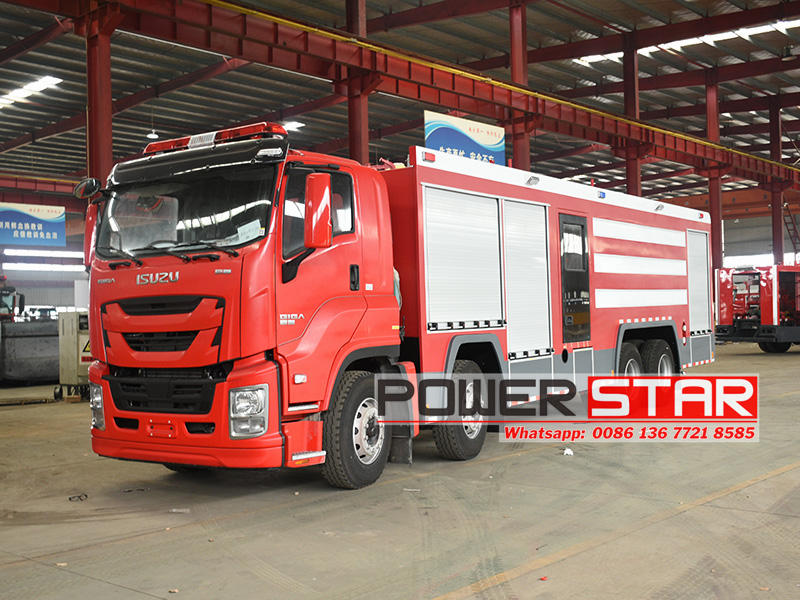
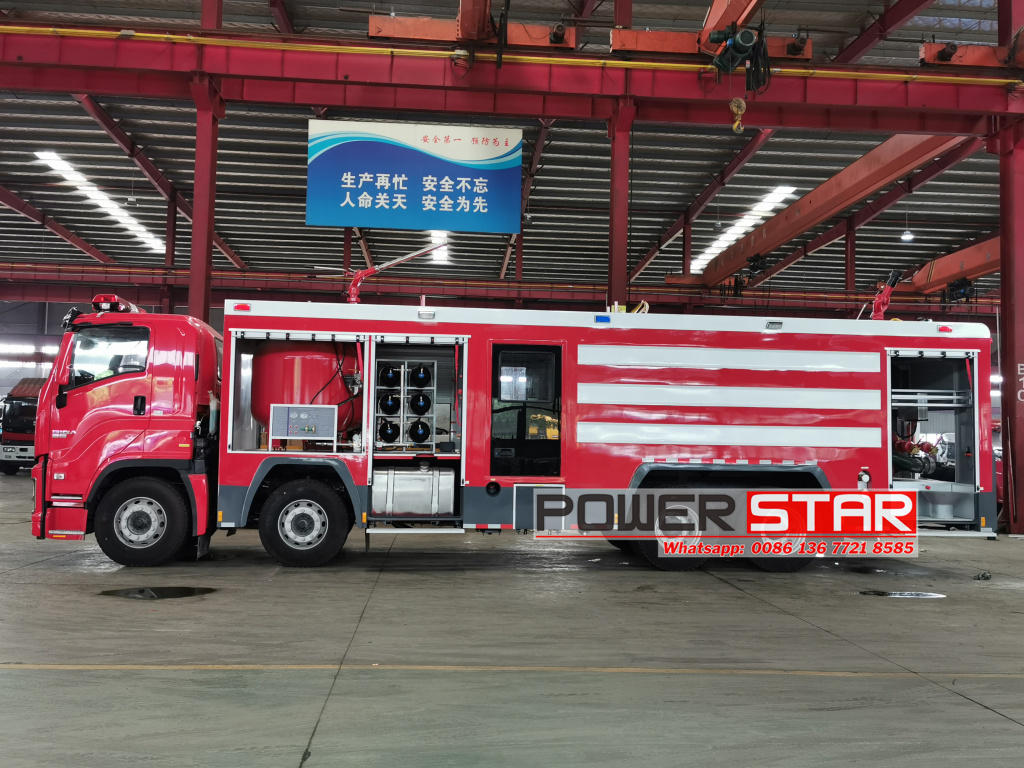
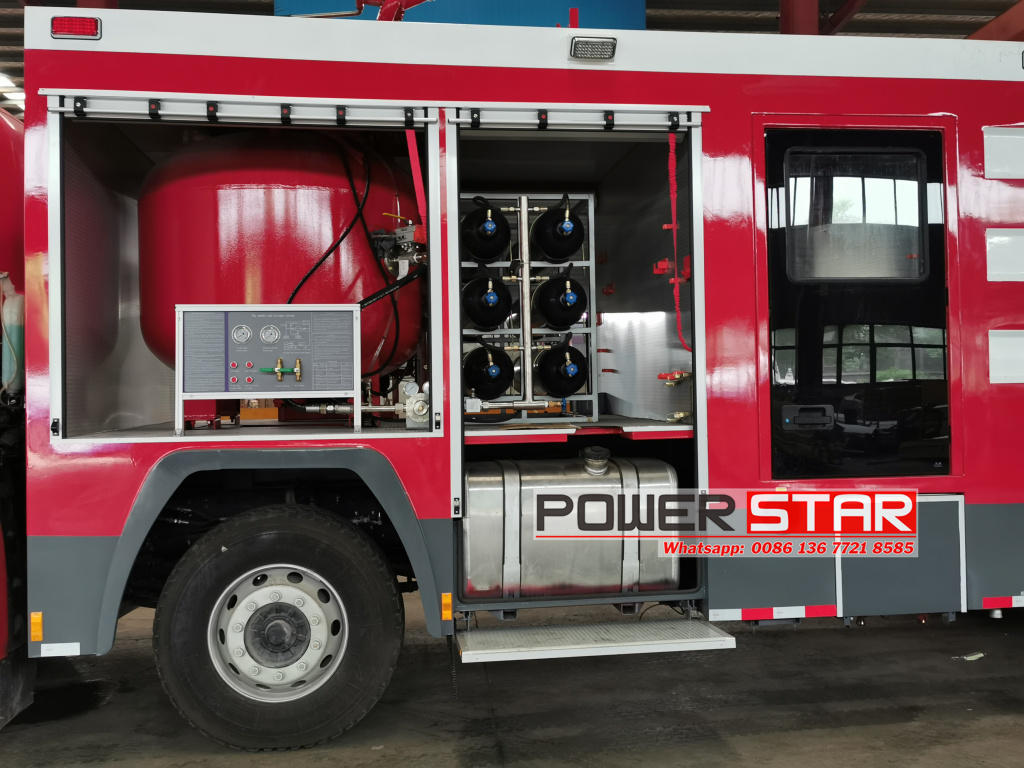
Appearance inspection: Check the vehicle appearance, foam liquid tank, nozzle, pipeline, compressor, gas cylinder and other components to ensure that there is no leakage, damage or deformation.
Functional inspection: Start the air compressor and check its output pressure and stability; start the foam liquid pump and check the delivery of the foam liquid; adjust the mixing ratio through the control system and observe the generation of foam.
Pressure test: Conduct a foam fire fighting system pressure test to ensure that the spraying distance and coverage area meet the standard requirements; conduct a compressed air system pressure test to check its output pressure and stability.
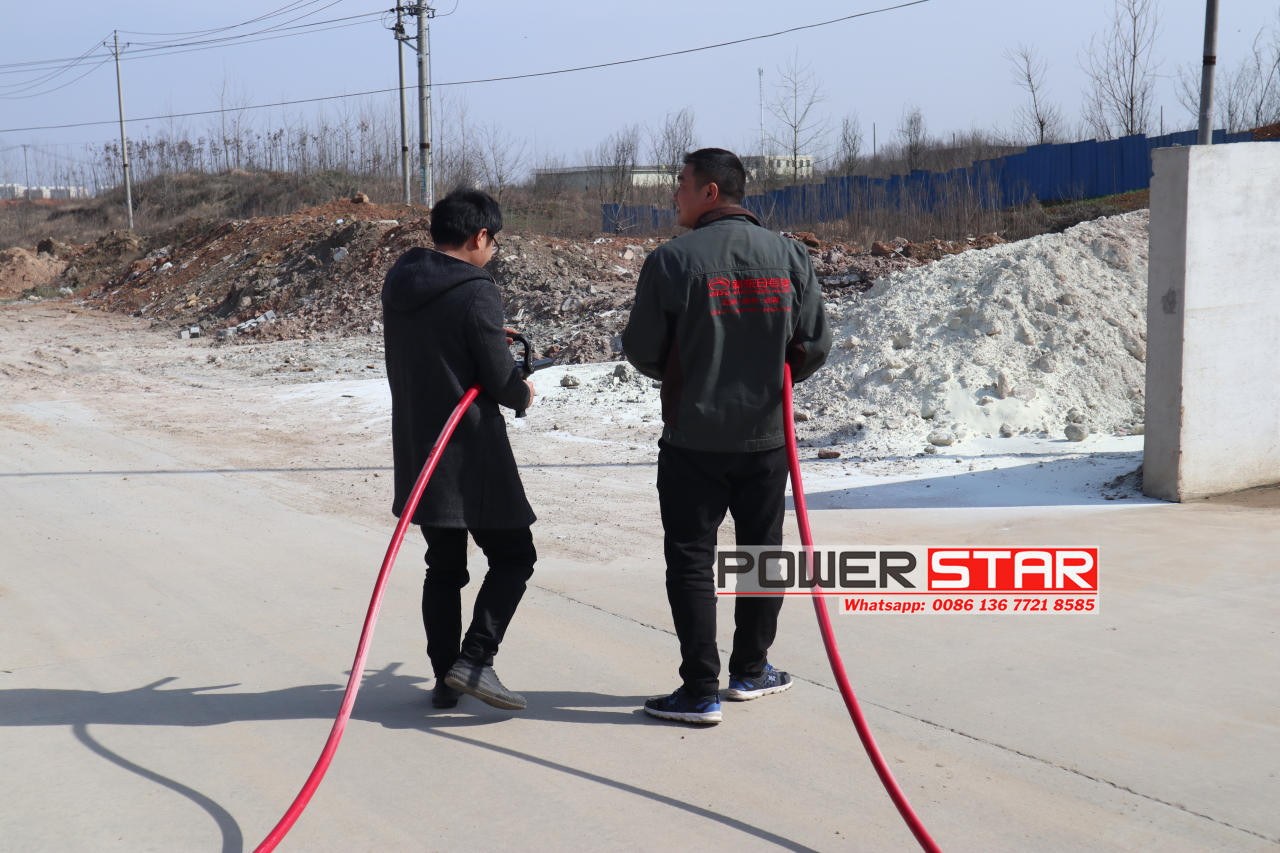
Simulated fire extinguishing test: Under safe conditions, simulate the fire extinguishing scene to test the fire extinguishing effect and coverage of the foam.
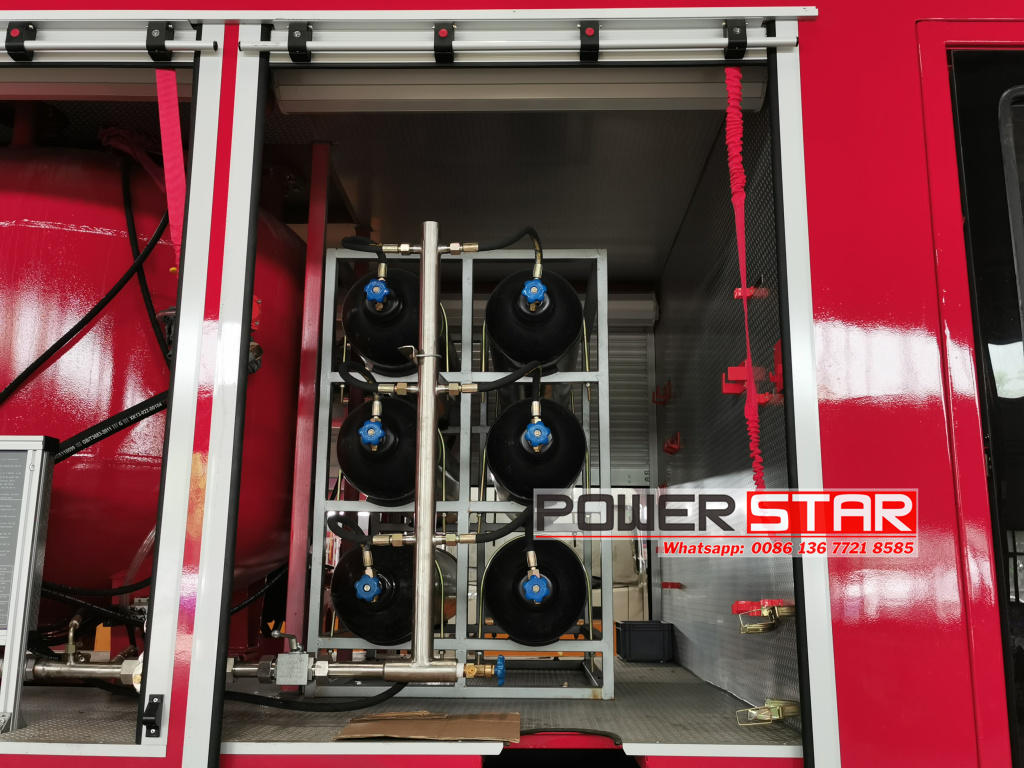
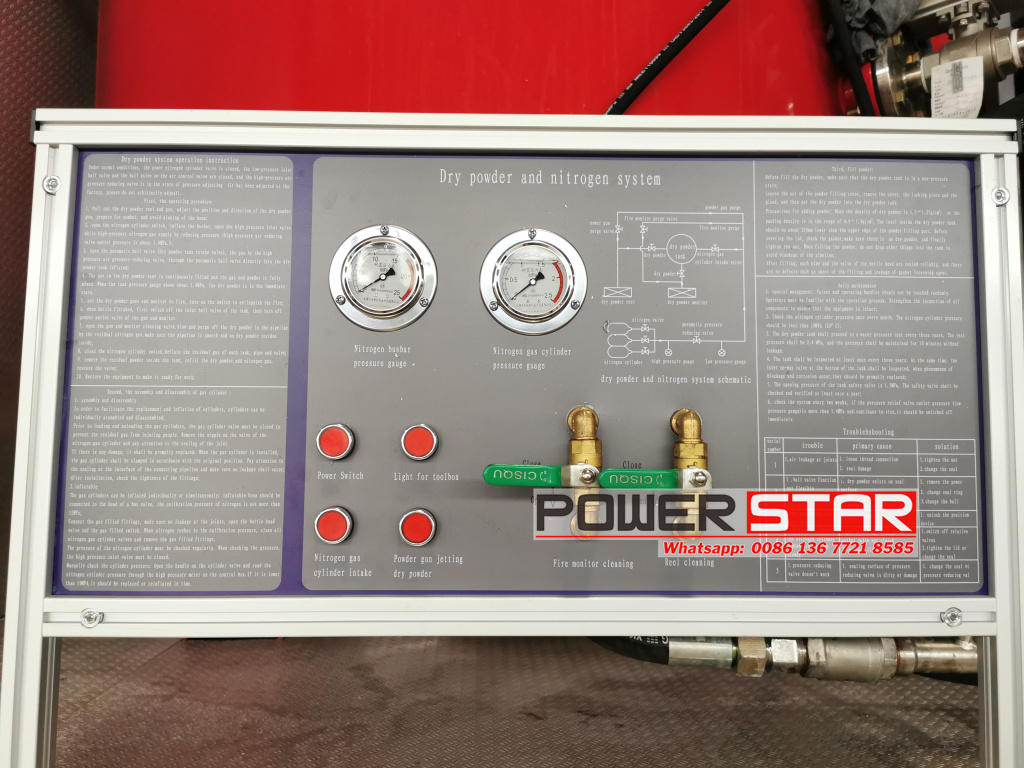
Electrical system inspection: Check the battery, wires and switches to ensure that the electrical system is working properly to prevent circuit failures from affecting the rescue effect.
Record and analysis: Record the data of each test, analyze the changing trend of system performance, and find and solve problems in a timely manner.
Through these meticulous inspection steps, it can be ensured that the compressed air foam system can play its maximum role in emergency situations and provide strong support for firefighting work.