In the field of fire trucks, ISUZU fire engines are widely praised for their excellent performance, reliability, and durability. As one of the core equipment on ISUZU fire trucks, the performance and condition of the CB10/40 fire pump are directly related to the efficiency and success rate of firefighting operations. To ensure that the CB10/40 fire pump can deliver optimal performance at critical moments, regular maintenance work is essential.

I. Overview of CB10/40 Fire Pump
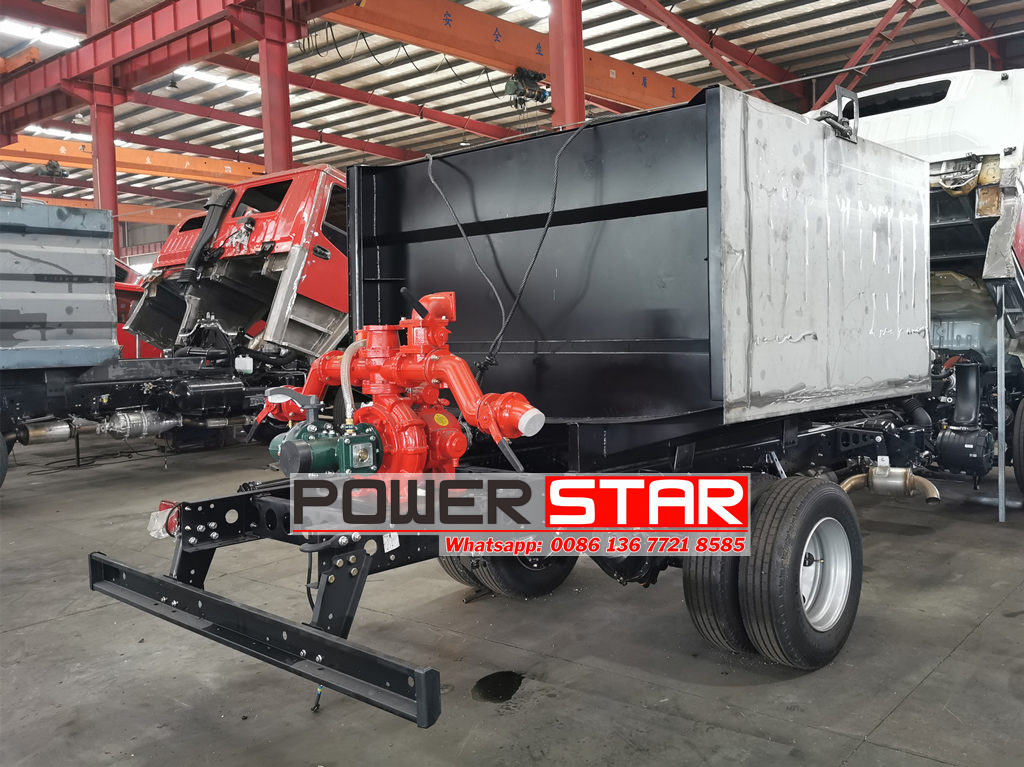
The CB10/40 fire pump is a high-performance pump specifically designed for fire trucks. It combines advanced design concepts and manufacturing processes, featuring large flow rate, high pressure, compact structure, and easy operation. This pump can quickly deliver water or other fire-extinguishing media to the fire scene, effectively extinguishing various types of fires. The CB10/40 fire pump is widely used in urban firefighting, forest firefighting, industrial firefighting, and various emergency rescue scenarios, making it an indispensable piece of equipment on fire trucks.
|
Model |
Working condition |
Flow (L/s) |
Outlet pressure (MPa) |
Rated speed (r/min) |
Shaft power (kW) |
Suction depth (m) |
|
CB10/40-XZ |
1 |
40 |
1.0 |
3135±50 |
60 |
3 |
|
2 |
28 |
1.3 |
3390±50 |
61 |
3 |
|
|
3 |
20 |
1.0 |
3010±50 |
39 |
7 |
II. Importance of Maintenance for CB10/40 Fire Pump
1. Ensure Stable Performance: Regular maintenance can ensure that the performance indicators of the CB10/40 fire pump remain at their best, thereby maximizing its effectiveness during firefighting operations.
2. Extend Service Life: Proper maintenance can effectively reduce wear and corrosion of the pump, extending its service life and reducing replacement costs.
3. Enhance Safety: The fire pump plays a crucial role in firefighting operations, and its safety is directly related to the life safety of firefighters and the success of fire suppression. Maintenance can promptly identify and eliminate potential safety hazards, ensuring reliable operation of the fire pump at critical moments.

III. Principles of Maintenance for CB10/40 Fire Pump
1. Prevention First: Maintenance work should focus on prevention, through regular inspections, cleaning, lubrication, and other measures, to identify and resolve potential issues in advance, preventing the occurrence of failures.
2. Standardized Operations: Maintenance work should be carried out strictly in accordance with the operation manual and maintenance procedures to ensure standardized and accurate operations.
3. Comprehensive Coverage: Maintenance work should cover all components and systems of the CB10/40 fire pump, including mechanical components, electrical components, hydraulic components, etc., to ensure comprehensive protection of the pump's overall performance.
4. Record Analysis: Detailed records should be kept for each maintenance task, including maintenance time, content, personnel, and other information. By regularly analyzing maintenance records, the operating patterns and potential issues of the pump can be identified, providing a basis for formulating a more scientific maintenance plan.
IV. Daily Maintenance of CB10/40 Fire Pump
1. Visual Inspection
Before and after daily use, inspect the exterior of the CB10/40 fire pump. Check the pump body, connecting pipes, valves, and other components for damage, deformation, or leakage. Repair or replace any abnormalities promptly. Also, check if the pump's mounting brackets and fasteners are loose or damaged to ensure the pump remains stable during vehicle travel.
2. Electrical System Inspection
Inspect the cables, terminals, motors, and other components of the electrical system for damage or aging. Ensure the motor operates normally without abnormal noise or vibration. Also, check the grounding of the electrical system to prevent electric shock accidents. For fire pumps equipped with remote control systems, also check the battery level and signal reception of the remote control.
3. Lubrication System Inspection
Regularly inspect the lubrication system of the CB10/40 fire pump as recommended by the manufacturer. Check the oil level and quality of the lubricant to ensure proper lubrication of bearings, shaft seals, and other components. If the lubricant is insufficient or deteriorated, replenish or replace it promptly. Also, check the sealing performance of the lubrication system to prevent lubricant leaks.
4. Cleaning
Clean the CB10/40 fire pump before and after daily use. Remove dust, oil, and other debris from the pump body, connecting pipes, valves, and other components. Keep the pump clean and dry to prevent corrosion and rust. For stubborn stains, use specialized cleaners and tools for cleaning.
5. Functional Testing
Perform functional testing on the CB10/40 fire pump before and after each use. The tests should include pump startup, shutdown, flow rate, and pressure. Functional testing ensures that the pump operates normally during firefighting operations and delivers optimal performance.
V. Periodic Maintenance of CB10/40 Fire Pump
1. Lubricant Replacement
Regularly replace the lubricant of the CB10/40 fire pump as recommended by the manufacturer. Before replacing the lubricant, drain the old oil and clean the oil pan and filter screen. Then add new oil and check if the oil level is within the normal range. Also, check the sealing performance of the lubrication system to ensure no leaks.
2. Seal Performance Inspection
Regularly inspect the sealing performance of the shaft seals, O-rings, and other sealing components of the CB10/40 fire pump. Ensure there are no leaks or seepage. If any leaks are found, take immediate measures to repair them. When repairing, choose appropriate sealing materials and methods to ensure good sealing performance.
3. Fastener Inspection
Regularly inspect all fasteners of the CB10/40 fire pump for tightness. If any loose or detached fasteners are found, tighten or replace them immediately. The selection of fasteners should comply with the manufacturer's recommendations and requirements to ensure reliable and safe connections.
4. Cable and Wiring Inspection
Regularly inspect the cables and wiring of the CB10/40 fire pump for damage or aging. If any issues with the cables or wiring are found, repair or replace them immediately. When replacing cables or wiring, choose appropriate specifications and models, and ensure reliable and safe electrical connections. Also, check if the fixation and routing of the cables are reasonable to prevent wear or collision during vehicle travel.
5. Performance Testing
Regularly perform performance testing on the CB10/40 fire pump. The tests should include pump startup time, flow rate, pressure, stability, and other aspects. Performance testing provides a comprehensive understanding of the pump's operating status and performance changes, providing a basis for formulating a more scientific maintenance plan. At the same time, it can also identify potential issues and fault hazards, allowing for timely repair measures.
6. Cleaning the Pump Body and Filter
Regularly clean the pump body and filter of the CB10/40 fire pump. Remove debris and dirt from the pump body to keep it clean and unobstructed. Also, check the clogging situation of the filter and replace or clean it if it is severely clogged. During cleaning, use specialized cleaners and tools to avoid damaging the pump body.
7. Valve and Accessory Inspection
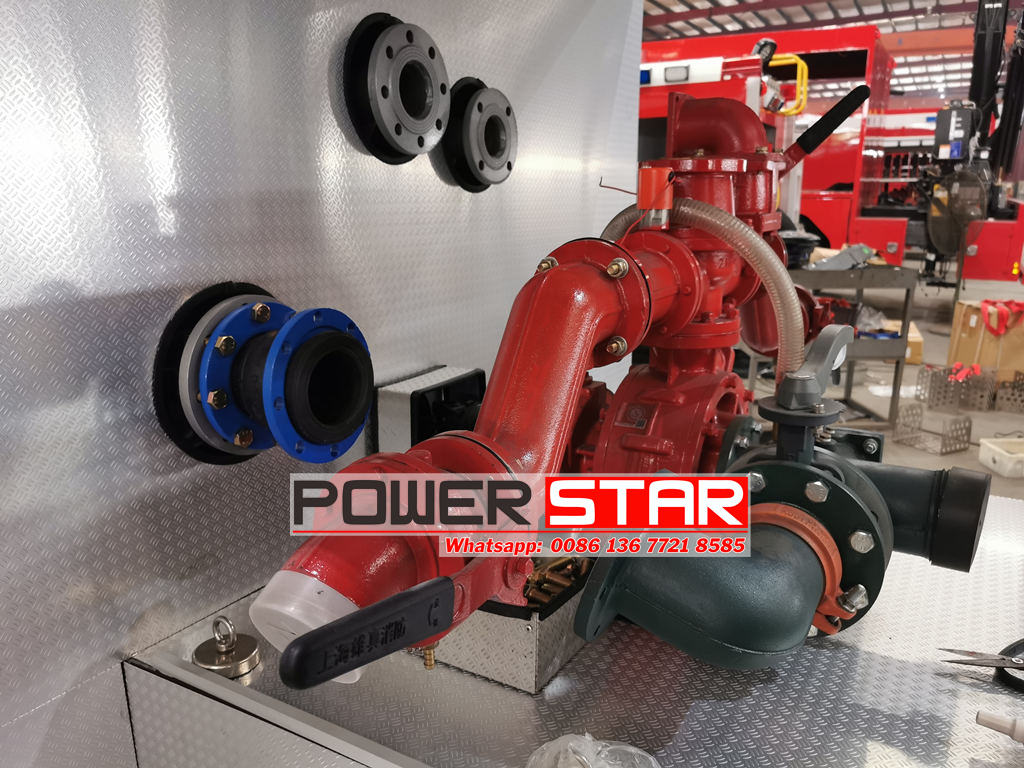
Regularly inspect the valves and accessories of the CB10/40 fire pump for damage or aging. Ensure the valves and accessories open and close flexibly with good sealing. If any issues with the valves or accessories are found, repair or replace them immediately. Also, check if the fixation and support of the valves are secure and reliable to prevent shaking or collision during vehicle travel.
VI. Maintenance for Long-Term Storage of CB10/40 Fire Pump
1. Cleaning and Rust Prevention Treatment
If the CB10/40 fire pump needs to be stored for a long time, it should be cleaned and treated for rust prevention. During cleaning, thoroughly remove dust, oil, and other debris from the pump body, connecting pipes, valves, and other components. At the same time, apply an appropriate amount of rust-preventive oil or agent to the pump body to prevent rust due to moisture during storage.
2. Drain Residual Water
Before long-term storage, drain any residual water from the CB10/40 fire pump. This prevents corrosion or rust due to water accumulation in the pump body during storage. When draining residual water, close all valves and outlets and ensure that all water is completely drained from the pump body.
3. Regular Inspection and Maintenance
Even if the CB10/40 fire pump is not used for a long time, its condition should be regularly inspected. The inspection should include checking the pump body, connecting pipes, valves, and other components for damage, deformation, or leakage; and checking if the electrical system, lubrication system, and sealing performance are normal. Through regular inspection and maintenance, potential issues can be identified and resolved promptly, ensuring the long-term reliability of the pump.
The CB10/40 fire pump, as an important component of ISUZU fire trucks, requires regular maintenance work to ensure the normal operation and reliability of the equipment. By regularly performing visual inspections, cleaning, lubrication, electrical inspections, valve inspections, pipe inspections, and operational tests, potential issues can be identified and addressed promptly, extending the service life of the equipment and improving the safety and reliability of the fire-fighting system.