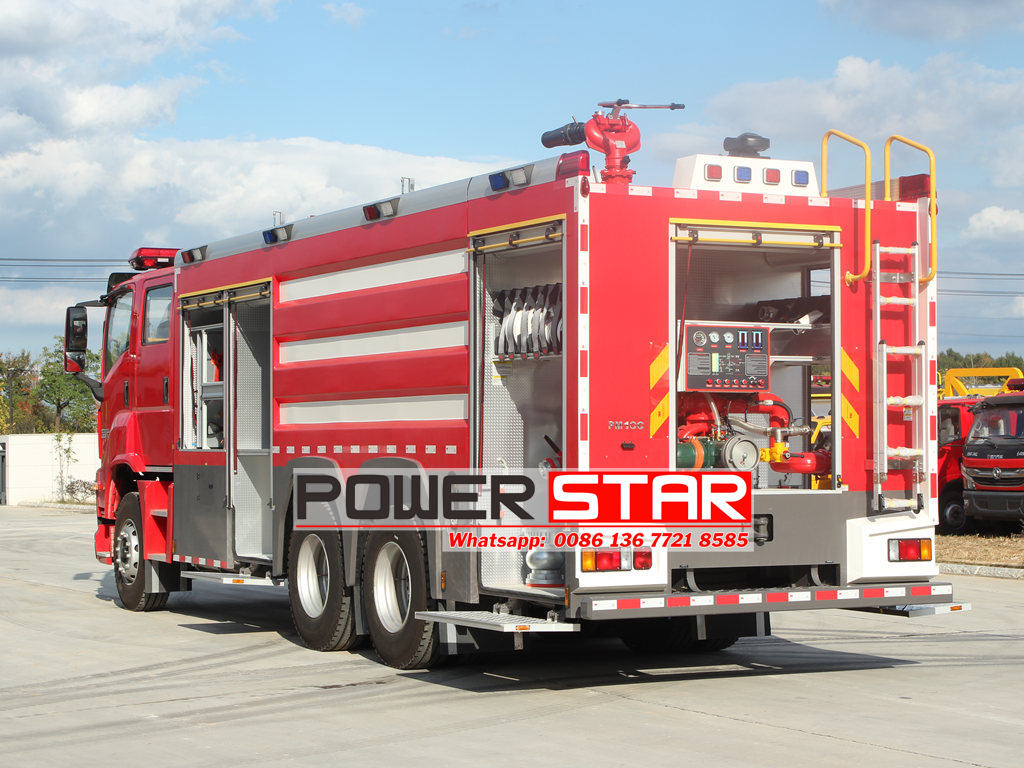
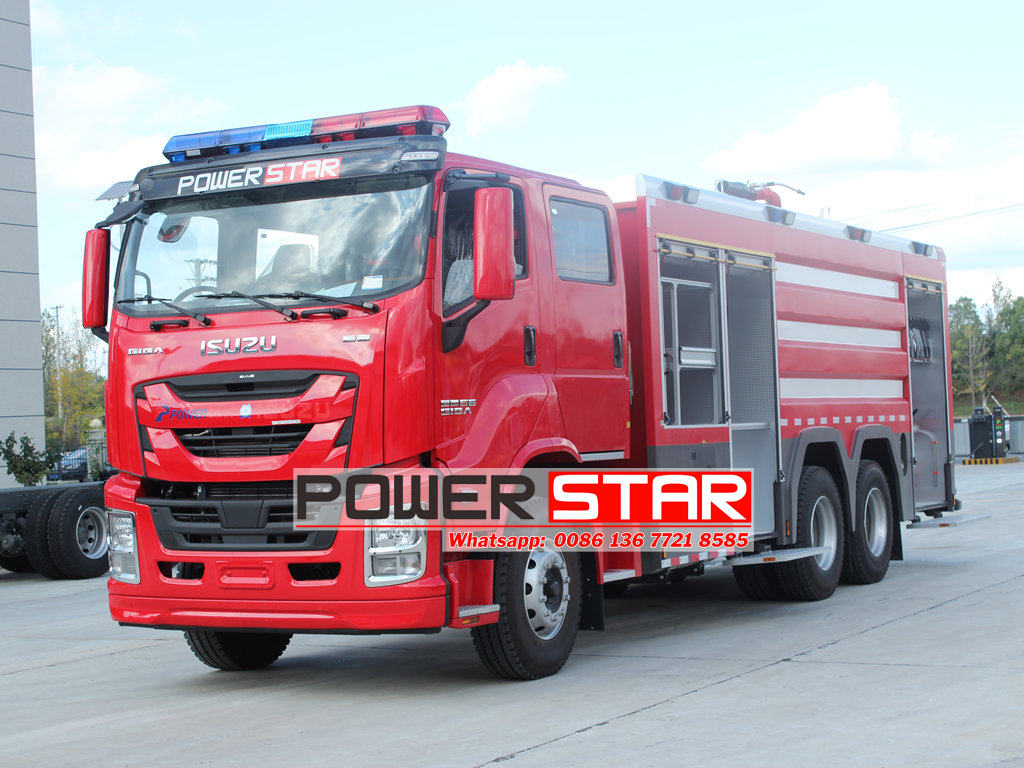
In the field of fire trucks, the fire pump serves as the core equipment, and its performance and reliability are crucial for fire extinguishing and rescue operations.
I. Performance Parameters of the CB10/80 Fire Pump
|
Model |
Work Condition |
Flow Rate (L/s) |
Outlet Pressure (MPa) |
Rated Speed (r/min) |
Shaft Power (kW) |
Suction Depth (m) |
|
CB10/80-XZ |
1 |
80 |
1.0 |
2575±50 |
137 |
3 |
|
2 |
56 |
1.3 |
2650±50 |
130 |
3 |
|
|
3 |
40 |
1.0 |
2308±50 |
83 |
7 |
The parameter table details the performance parameters of the CB10/80-XZ fire pump under different operating conditions, including flow rate, outlet pressure, rated speed, shaft power, and suction depth. These parameters are essential for selecting and using the fire pump and help users choose the appropriate operating state based on actual needs, ensuring optimal performance of the fire pump during fire extinguishing operations.
II. Structure of the CB10/80 Fire Pump
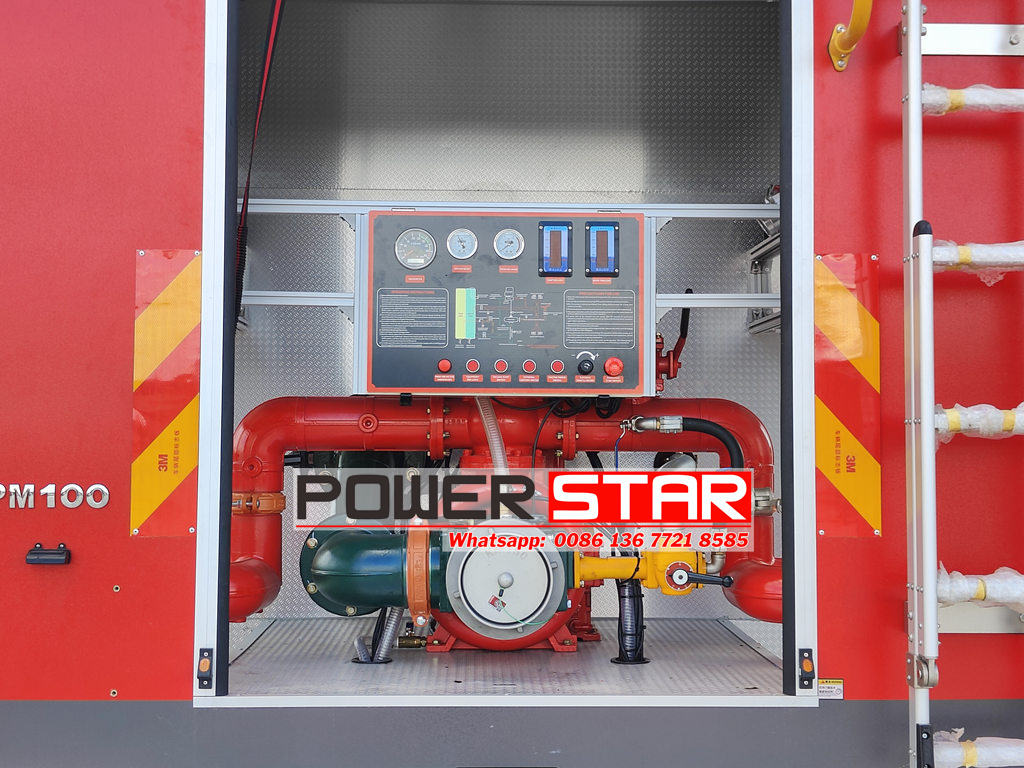
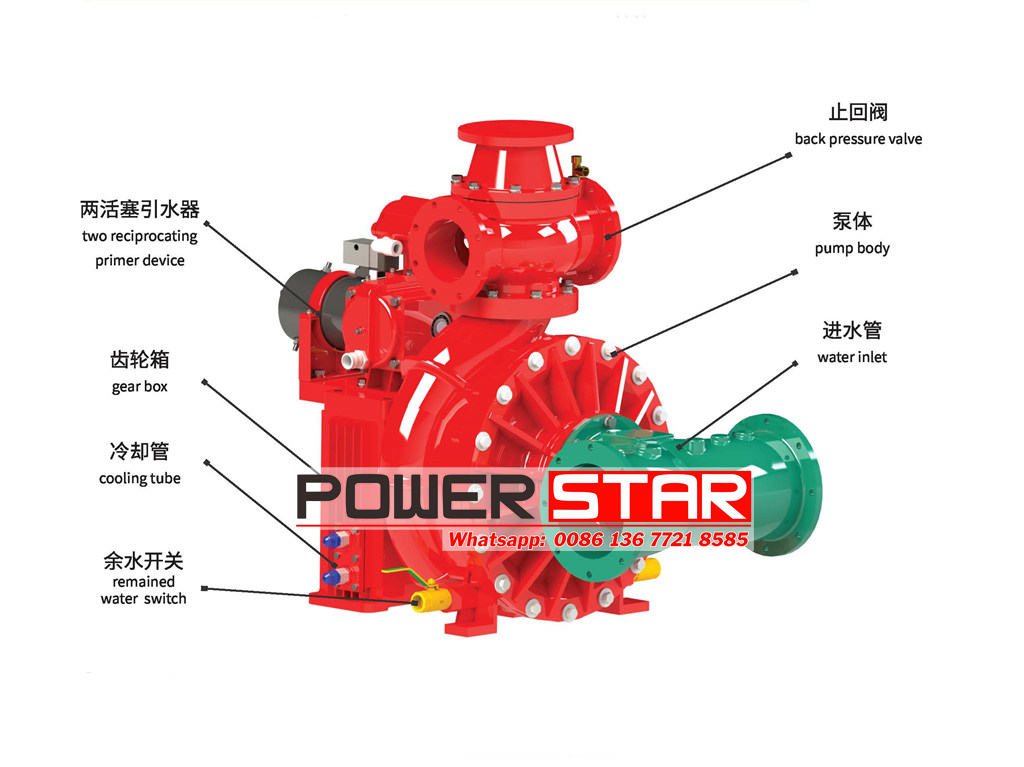
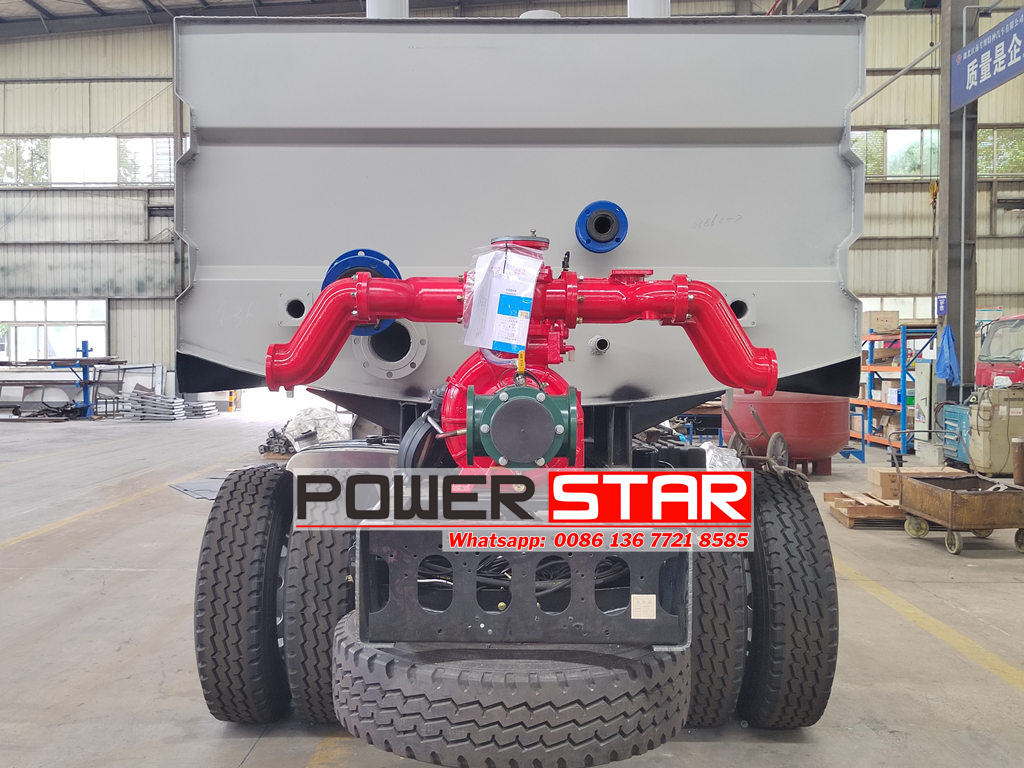
The CB10/80-XZ low-pressure vehicular fire pump adopts advanced foreign technology, featuring a double-stage impeller and an integrated pump casing and guide vane structure. Its main structural components include:
1. Back Pressure Valve
The back pressure valve is a crucial component in the fire pump, preventing liquid from flowing back within the pump. During operation, when the pump stops or the outlet pressure decreases, the back pressure valve quickly closes to ensure stable outflow and prevent backflow from damaging the pump.
2. Two Reciprocating Primer Device
The two-piston primer is the priming device for the fire pump, guiding liquid into the pump body. Before starting the fire pump, the primer is used to introduce liquid into the pump to ensure effective startup. The two-piston primer features a simple structure and high priming efficiency, rapidly drawing liquid into the pump and improving startup speed.
3. Pump Body
The pump body is the main component of the fire pump, containing key parts such as the impeller and guide vanes. The design of the pump body directly affects the performance and lifespan of the fire pump. The CB10/80-XZ fire pump adopts an integrated pump casing and guide vane structure, allowing smoother liquid flow within the pump and improving efficiency.
4. Water Inlet
The water inlet is the pipeline through which liquid enters the pump body. Its design ensures that liquid can flow smoothly into the pump. During operation, the water inlet must withstand certain pressures, so its material and structural design must meet corresponding requirements.
5. Gear Box
The gearbox is the gear mechanism that drives the impeller within the pump, transmitting power to rotate the impeller. The design of the gearbox considers factors such as transmission efficiency, noise, and lifespan. The CB10/80-XZ fire pump adopts an advanced gearbox design, ensuring stable operation and long lifespan of the pump.
6. Cooling Tube
The cooling tube is used to cool the pump and prevent overheating. During prolonged operation, the pump body generates significant heat. If not dissipated promptly, this heat may damage the pump. Therefore, the design of the cooling tube is crucial for ensuring the reliability of the fire pump.
7. Remained Water Switch
The remained water switch controls the discharge of residual water, preventing damage from residual liquid within the pump. After the fire pump stops operating, some liquid may remain in the pump body. If left for an extended period, this residual liquid may corrode or damage the pump. Therefore, the design of the remained water switch effectively addresses this issue.
III. Working Principle of the CB10/80 Fire Pump
The working principle of the CB10/80-XZ fire pump primarily includes the processes of priming, liquid transport, discharge, and cooling.
1. Priming Process
Before starting the fire pump, the primer is used to introduce liquid into the pump. The two-piston primer reciprocates to draw liquid from the water inlet into the pump body, preparing for pump startup.
2. Liquid Transport Process
When the fire pump starts, the impeller begins to rotate, and liquid enters the pump body through the water inlet. Within the pump, the liquid is pressurized and its flow rate increases through the double-stage impeller. This process is crucial for the fire pump to achieve its fire extinguishing function.
3. Discharge Process
The pressurized liquid is discharged from the pump body through the outlet pipe and enters the fire extinguishing system. The back pressure valve plays a key role in this process, ensuring one-way liquid flow and preventing backflow from damaging the pump. Simultaneously, the smoothness of the discharge process directly affects the fire extinguishing effectiveness of the system.
4. Cooling Process
During liquid transport, the pump body generates significant heat. To ensure normal operation and long lifespan of the pump, cooling tubes are used to cool the pump body. The cooling tubes circulate cooling liquid to dissipate the heat generated by the pump, ensuring stable operation.
IV. Performance Advantages of the CB10/80 Fire Pump
With its advanced structure and excellent working principle, the CB10/80-XZ fire pump offers numerous performance advantages:
1. High Efficiency and Energy Saving
The CB10/80-XZ fire pump adopts a double-stage impeller and an integrated pump casing and guide vane structure, allowing smoother liquid flow within the pump and improving efficiency. Simultaneously, the advanced gearbox design reduces energy loss during transmission, making the pump more energy-efficient during operation.
2. Stable and Reliable
The main components of the CB10/80-XZ fire pump are manufactured from high-quality materials, offering high strength and wear resistance. Simultaneously, the pump body adopts advanced cooling technology, ensuring stability during prolonged operation. Furthermore, the design of the back pressure valve and remained water switch effectively improves pump reliability.
3. Easy Maintenance
The structural design of the CB10/80-XZ fire pump is reasonable, making maintenance more convenient and efficient. Users can easily disassemble, clean, and replace components, reducing maintenance costs and time.
4. Wide Application Range
The CB10/80-XZ fire pump is suitable for various fire extinguishing operations, such as urban fire fighting, industrial fire fighting, and forest fire fighting. Its excellent performance and reliability can meet the fire extinguishing needs of different locations.