The painting works of Isuzu refuse compactor needs to comprehensively consider multiple factors such as functionality, environmental protection, recognition and urban cultural characteristics. Through scientific and reasonable design and construction, it can not only improve the beauty and durability of the vehicle, but also effectively promote the shaping and dissemination of the city's image. With the advancement of technology and the renewal of design concepts, the painting of garbage trucks in the future will be more diversified and personalized, adding more highlights to urban sanitation work.
In modern urban management, Isuzu refuse compactor, as an important part of the urban sanitation system, not only bears the heavy task of efficiently and cleanly collecting and transporting domestic garbage, but its appearance also directly reflects the management level and civilized style of the city. Therefore, a reasonable coating scheme can not only improve the beauty of the vehicle, but also enhance the durability and recognition of Isuzu refuse compactor to a certain extent. The following is an article about the common compression garbage truck coating scheme.
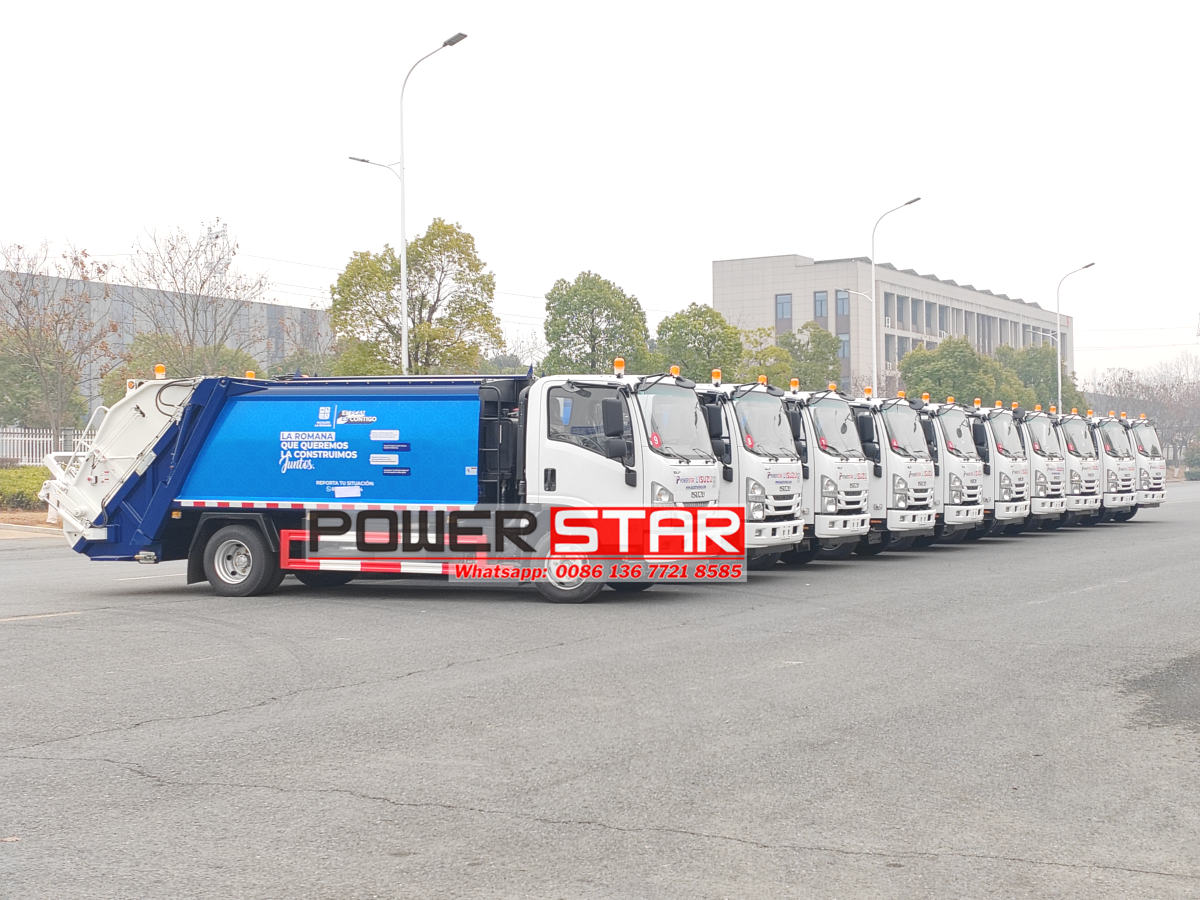
1. Isuzu refuse compactor coating design principle
Functionality first: The first thing to consider in coating is the basic functions such as anti-corrosion, anti-rust, and weather resistance, to ensure that the vehicle can maintain a good appearance in long-term operation under harsh conditions.
Environmental protection concept: In view of the special use of garbage trucks, coating materials should try to choose low VOC (volatile organic compounds) environmentally friendly coatings to reduce the impact on the environment.
Recognition improvement: Through bright color matching and logo design, the recognition of the vehicle is improved, which is convenient for public supervision and management and dispatch.
Urban cultural integration: Combine urban characteristics or cultural elements for personalized design to enhance the coordination between the vehicle and the city image.
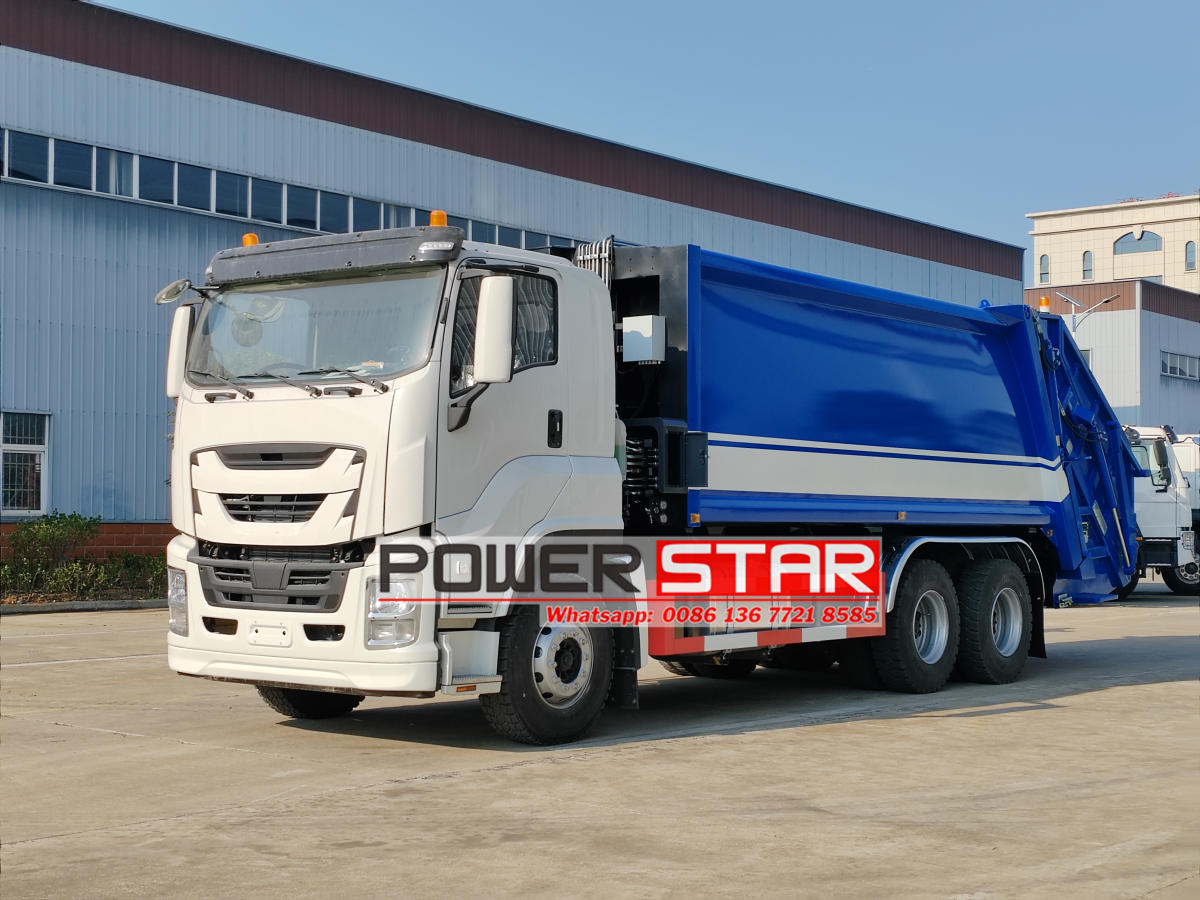
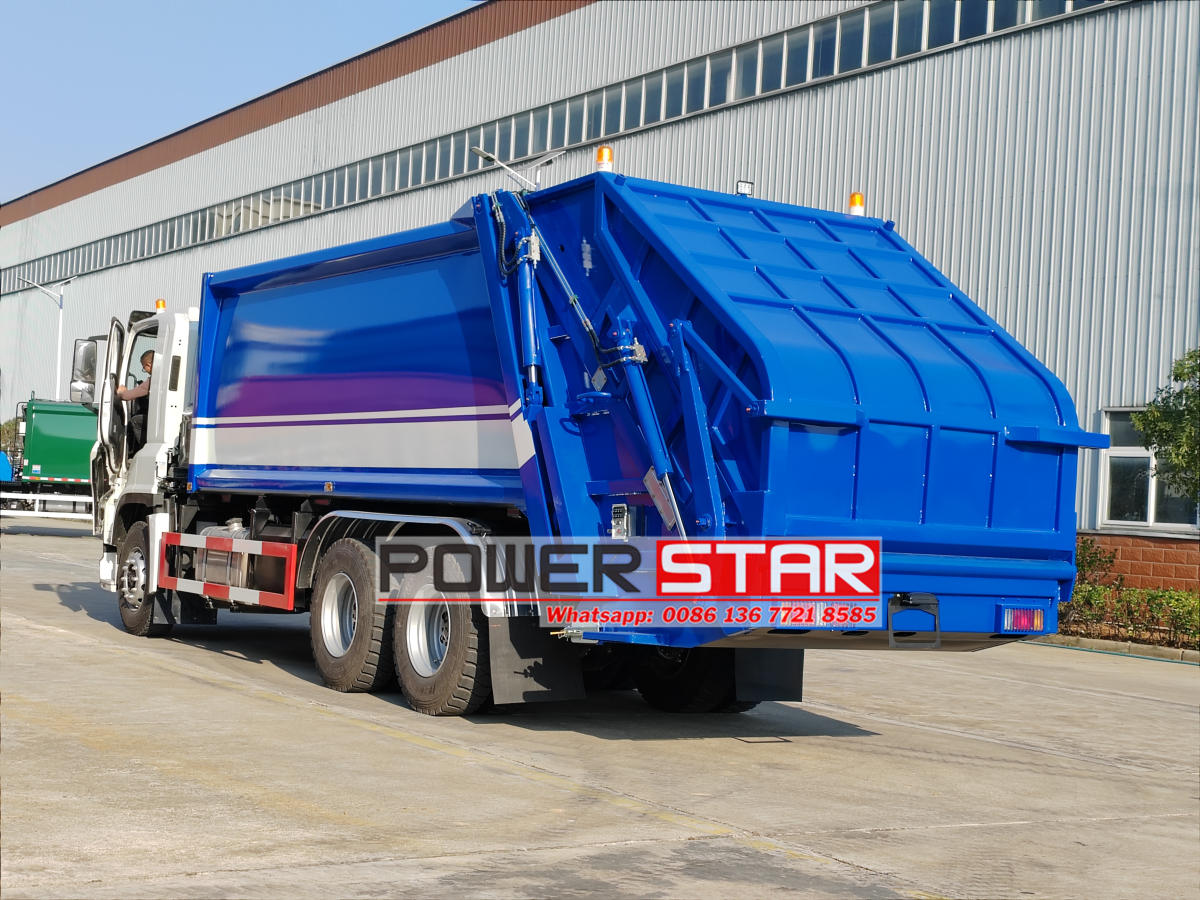
2. Common painting schemes for Isuzu refuse compactor
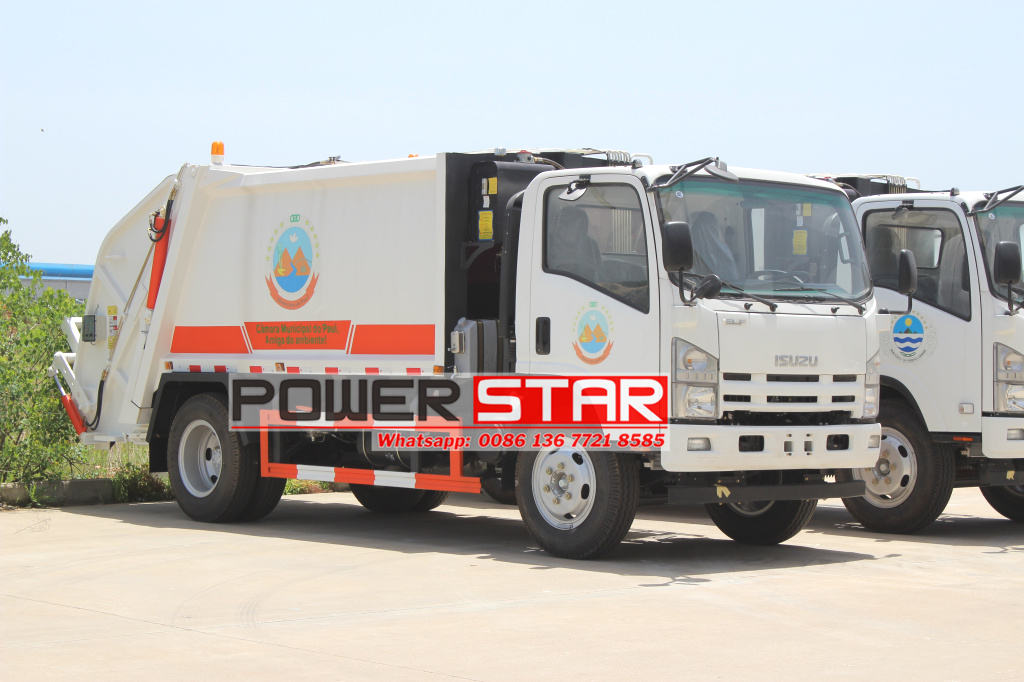
1. Basic and practical type
Color selection: Usually use dirt-resistant and eye-catching colors, such as dark green, dark blue or gray, which are not easy to get dirty and can visually remind pedestrians to avoid.
Pattern design: Simple and clear, the logo and contact information of the unit to which the vehicle belongs are sprayed on both sides of the body to facilitate contact in emergency situations.
Protective treatment: The primer uses epoxy primer with strong anti-corrosion performance, and the topcoat uses high weather-resistant polyurethane paint to ensure long-term anti-corrosion and rust prevention.
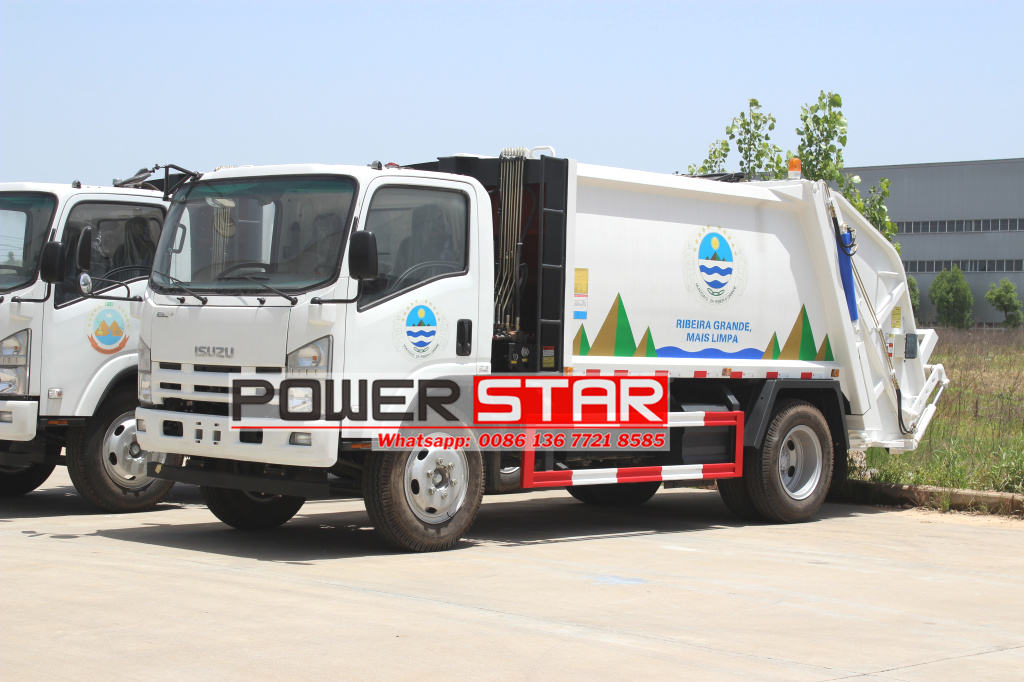
2. Environmental theme type
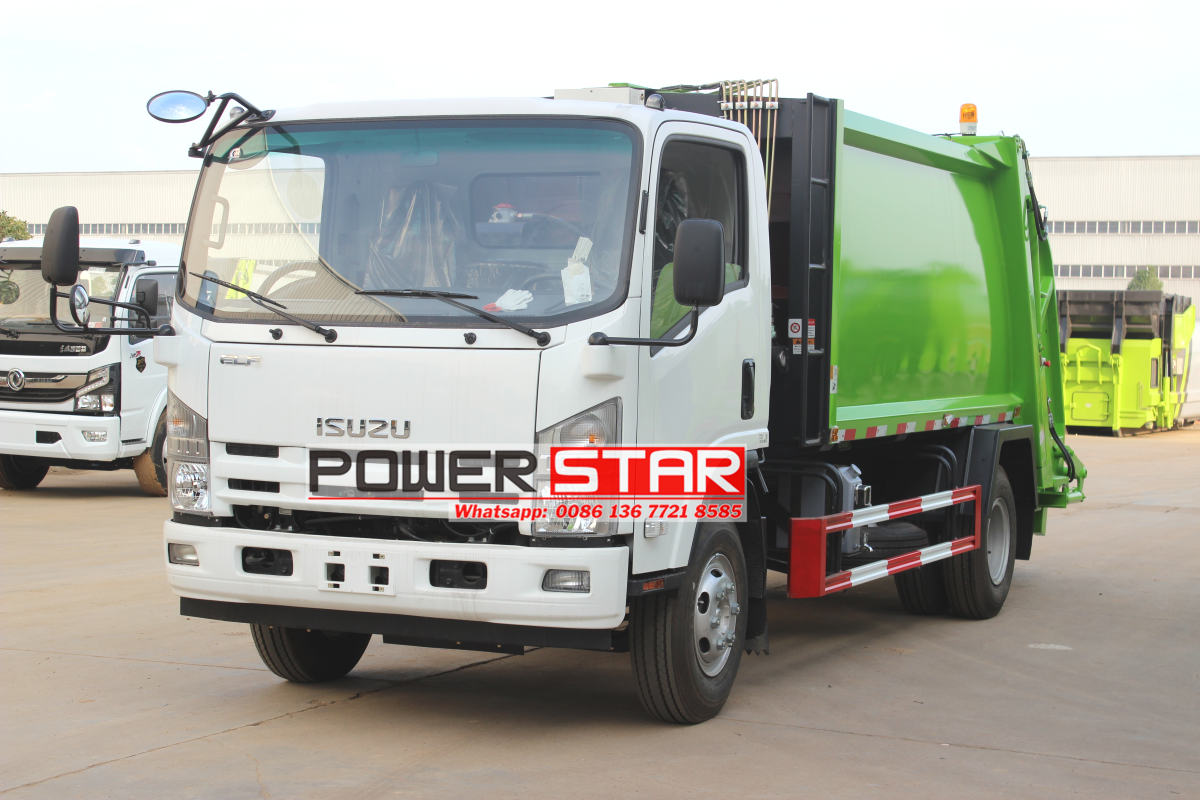
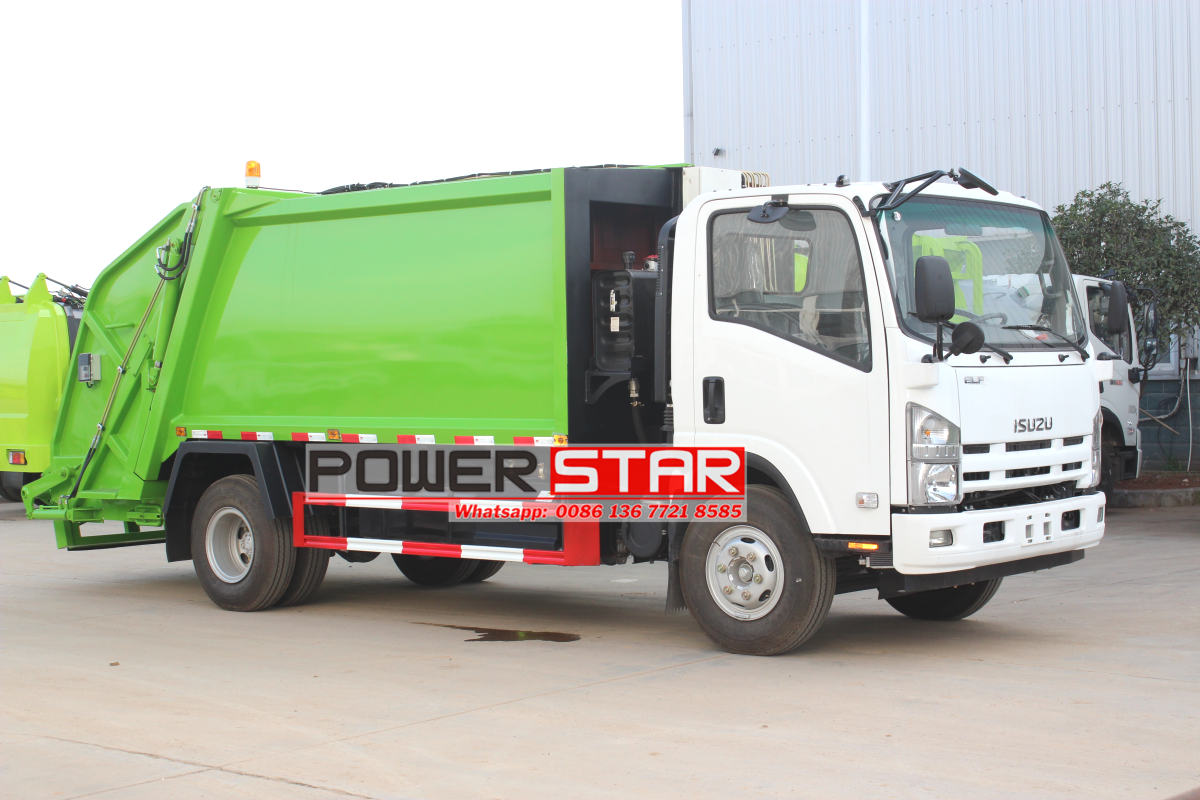
Color matching: Green is the main color, symbolizing environmental protection and ecology, supplemented by white or light blue lines to create a fresh and natural feeling.
Pattern creativity: The body can be designed with environmental protection patterns such as the earth, leaves, and recycling signs to convey the environmental protection concept of garbage classification and resource recycling.
Special materials: Consider using reflective materials to improve vehicle visibility at night and increase safety at the same time.
3. City culture characteristic type
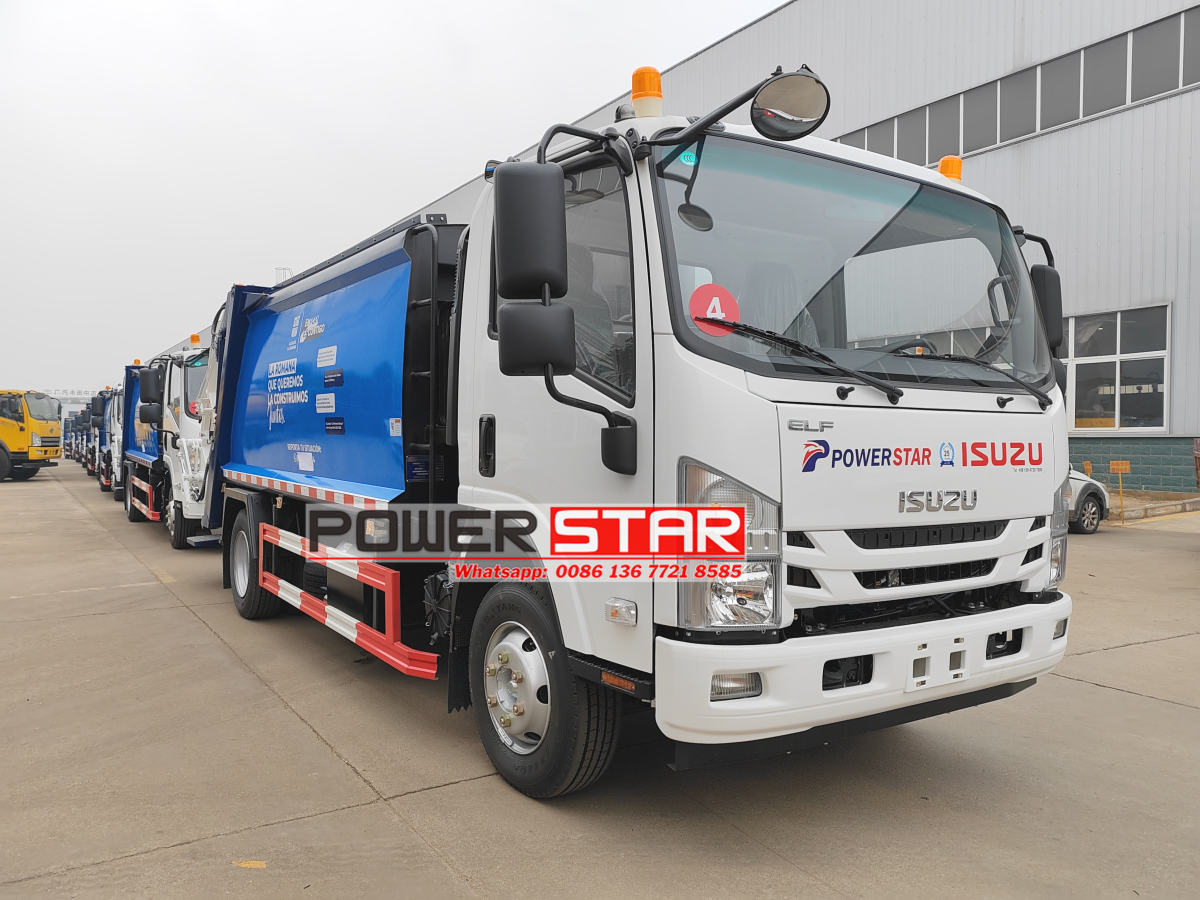
Color and pattern: Customized design based on the city's history, culture, landmarks and other elements, such as incorporating the outline of the city's famous attractions into the body pattern.
Text logo: City slogans or welcome slogans can be added to prominent positions on the body to show the city's enthusiasm and open image.
Artistic treatment: Invite local artists or designers to participate in the design, incorporate artistic elements into the paint, and make the garbage truck a flowing city landscape.
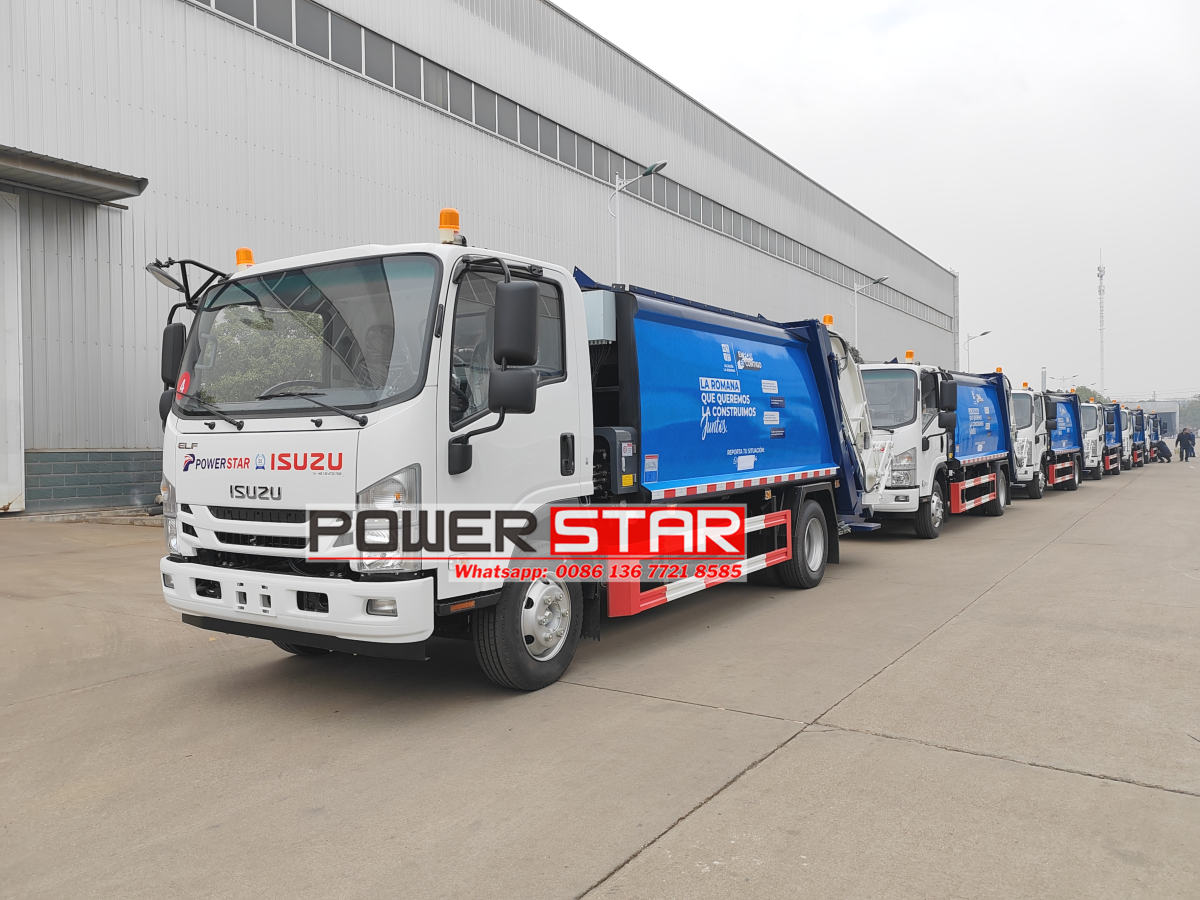
III. Precautions for painting construction Isuzu refuse compactor
Pretreatment: Ensure that the body surface is clean and oil-free, and perform necessary grinding and rust removal to ensure the adhesion of the coating.
Multi-layer painting: Follow the construction process of primer, midcoat and topcoat, and fully dry each layer to ensure the quality of the painting.
Environmental control: The painting operation should be carried out in an environment with suitable temperature and moderate humidity to avoid bad weather affecting the painting effect.
Post-maintenance: Check the painting condition regularly, repair scratches or faded parts in time, and extend the service life of the painting.