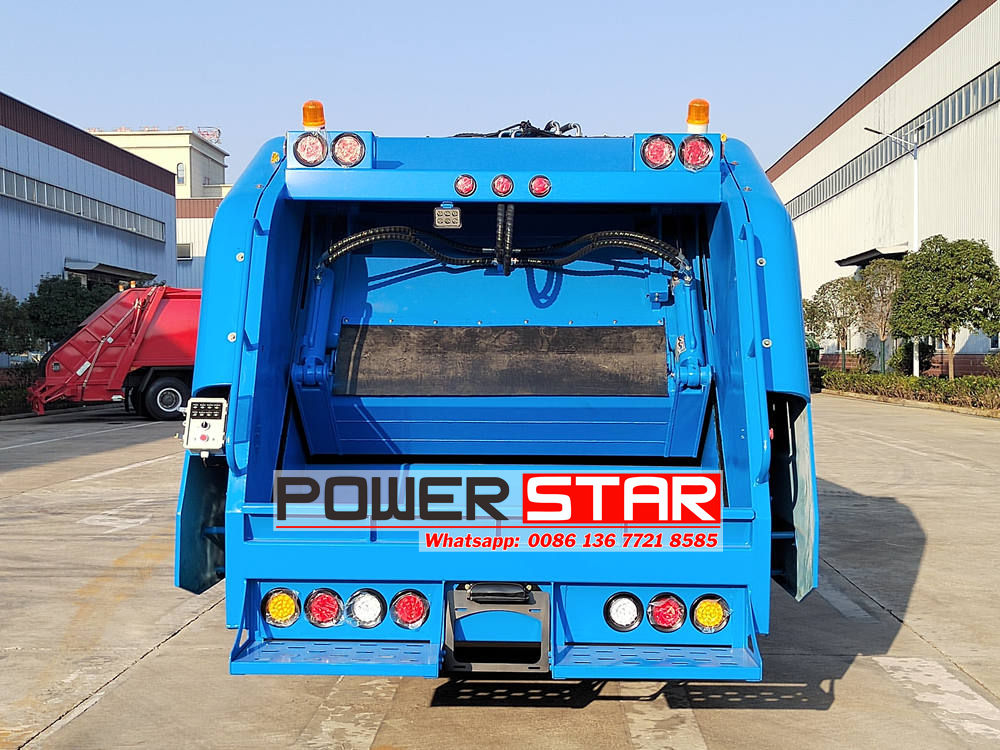
Isuzu split rear loader garbage truck is a vehicle specially used for compressing and transporting garbage, mainly composed of a sealed garbage box, a hydraulic system and an operating system. It uses advanced compression technology to compress loose garbage into blocks, greatly reducing the volume of garbage, improving the efficiency and capacity of garbage transportation, and solving the problem of secondary pollution during garbage transportation.

Isuzu split rear loader garbage truck (also called waste compactor truck, garbage compactor truck, trash compactor truck, refuse collection truck, compactor garbage truck, rear loader compactor truck) is designed to collect and transport municipal solid waste.
|
Isuzu ELF 10cbm split rear loader garbage truck |
||
|
Chassis |
||
|
Chassis model number |
ISUZU ELF NPR chassis |
|
|
Cabin |
Brand: ISUZU |
|
|
NPR single cabin, 4x2 left hand drive |
||
|
3 seats, with air conditioner, USB connector radio |
||
|
Vehicle Main Dimensions
|
Overall dimensions (L x W x H) mm: 8600X2500X2950mm |
|
|
Wheel base: 4175 (mm) |
||
|
Overhang (front/rear): 1110/2145 (mm) |
||
|
Approach angle: 20° |
||
|
Departure angle: 19° |
||
|
Weight in KGS |
Curb Weight:6000 kg |
|
|
Engine
|
Brand |
ISUZU |
|
Model |
4HK1 , EURO 6 |
|
|
Emission |
5193 ml |
|
|
Type |
4-stroke direct injection,4-cylinder in-line with water cooling, turbo-charging and inter-cooling |
|
|
Horse Power(HP) |
190HP |
|
|
Gearbox |
ISUZU MLD, 6 Forwards gear & 1 reverse gear |
|
|
Tire |
235/75R17.5, 6 pcs+1 spare tire |
|
|
Axle |
Front axles 4t, rear axle7t |
|
|
Garbage box parameters |
||
|
Volume |
10 m3 |
|
|
Material |
Carbon steel and high tensile steel |
|
|
Standard equipment |
1. Dustbin volume: 8m³ 2. hydraulic control device |
|
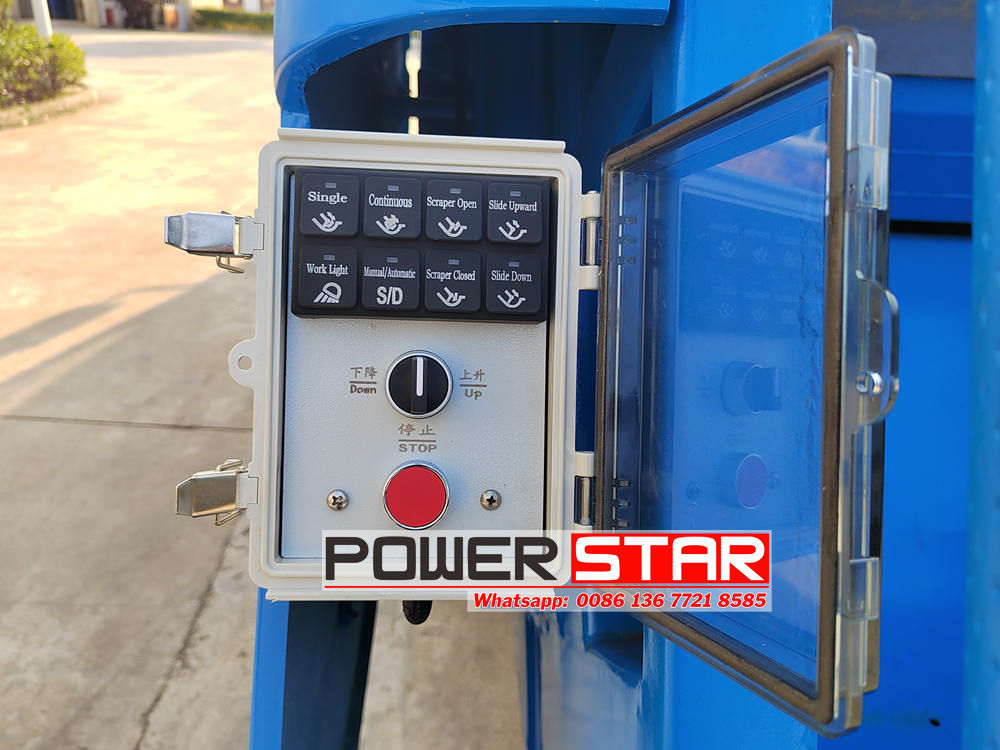
Isuzu split rear loader garbage truck mainly uses special devices such as garbage compartment, filler, push shovel, hydraulic system, etc. to dump, crush or flatten garbage. It has the characteristics of convenient and efficient garbage collection, automatic and repeated garbage compression, peristaltic compression function, high compression ratio, large loading capacity, automatic operation and good sealing.
The safe and effective use of the Isuzu split rear loader garbage truck is essential and can be divided into the following four steps.
1. Pre-Operation Preparation
Before starting the Isuzu split rear loader garbage truck, ensure that all safety measures are in place. Conduct a visual inspection of the vehicle and its components, checking for any signs of damage, leaks, or wear. Ensure that the hydraulic system is functioning correctly, and that the compaction mechanism is clear of any debris. Check the oil and fuel levels, and make sure the tires are properly inflated.


2. Loading the Truck
Position the truck near the waste collection area, engaging the parking brake and setting the transmission to neutral. Activate the compactor mechanism and slowly raise the loading arm. Use the joystick or lever controls to maneuver the hopper into the waste bin or pile. As you load, the compactor will automatically begin pressing the waste, reducing its volume. It’s important to monitor the loading process to avoid overloading the truck, which can strain the hydraulic system and potentially damage the vehicle.
3. Compaction and Transportation
Once the waste is loaded, continue to operate the compactor until the material is sufficiently compressed. This may involve multiple cycles of pressing and releasing the compaction plates. With the load securely compressed, you can now safely drive the truck to the designated waste disposal site, adhering to traffic laws and road safety regulations.


4. Unloading and Post-Operation Care
At the disposal site, carefully raise and position the hopper over the waste receptacle. Engage the unloading mechanism, usually a hydraulic piston or pusher, to discharge the compressed waste. After unloading, thoroughly clean the hopper and compaction area to prevent any residue from hardening or causing corrosion. Perform a final inspection of the vehicle, checking for any debris or damage.