Europe design 2026 year garbage compactor body
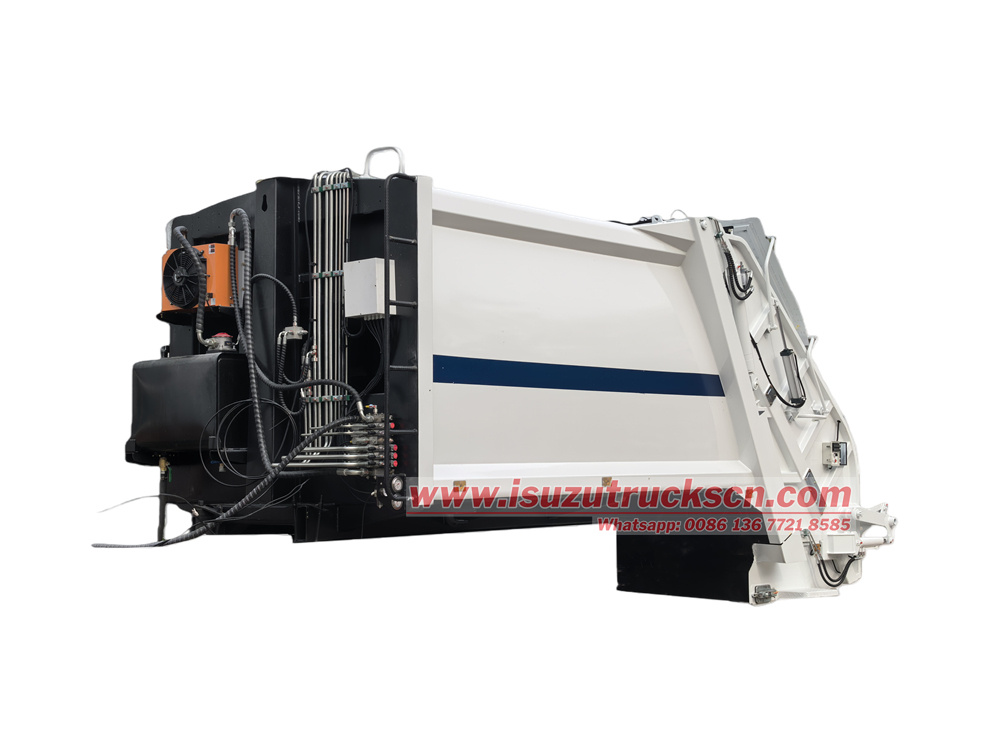
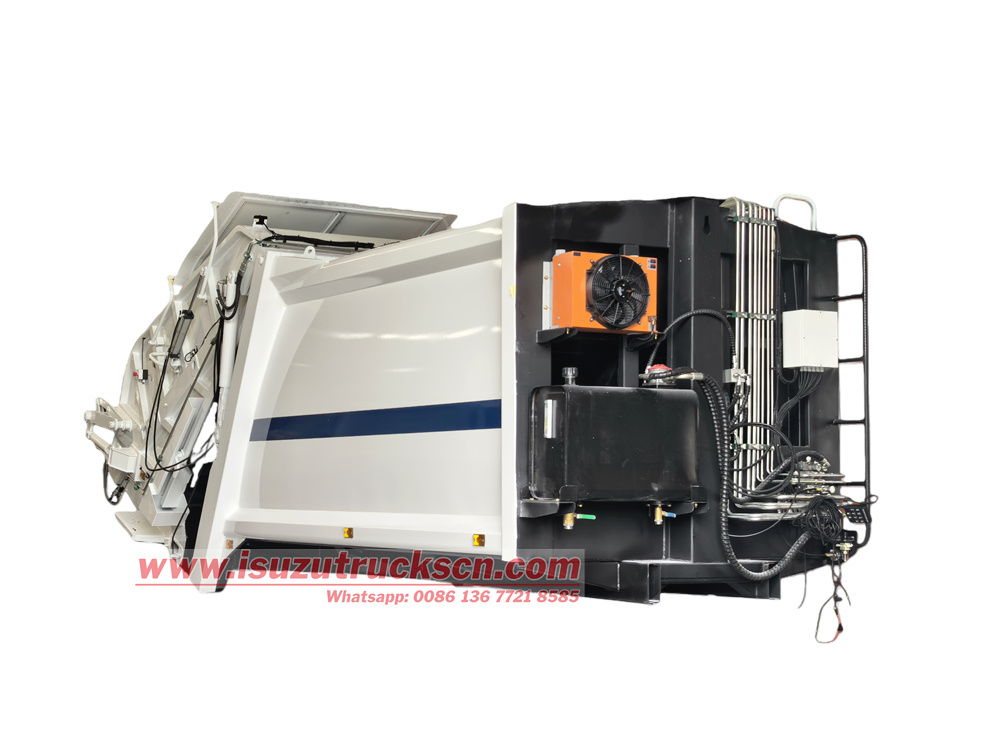
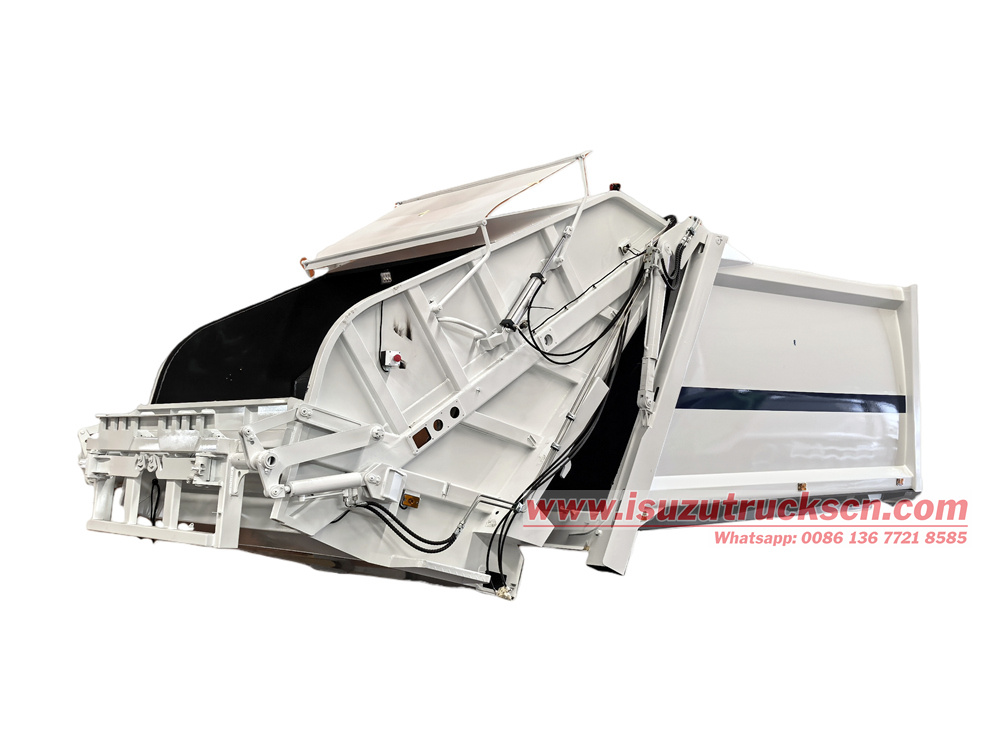
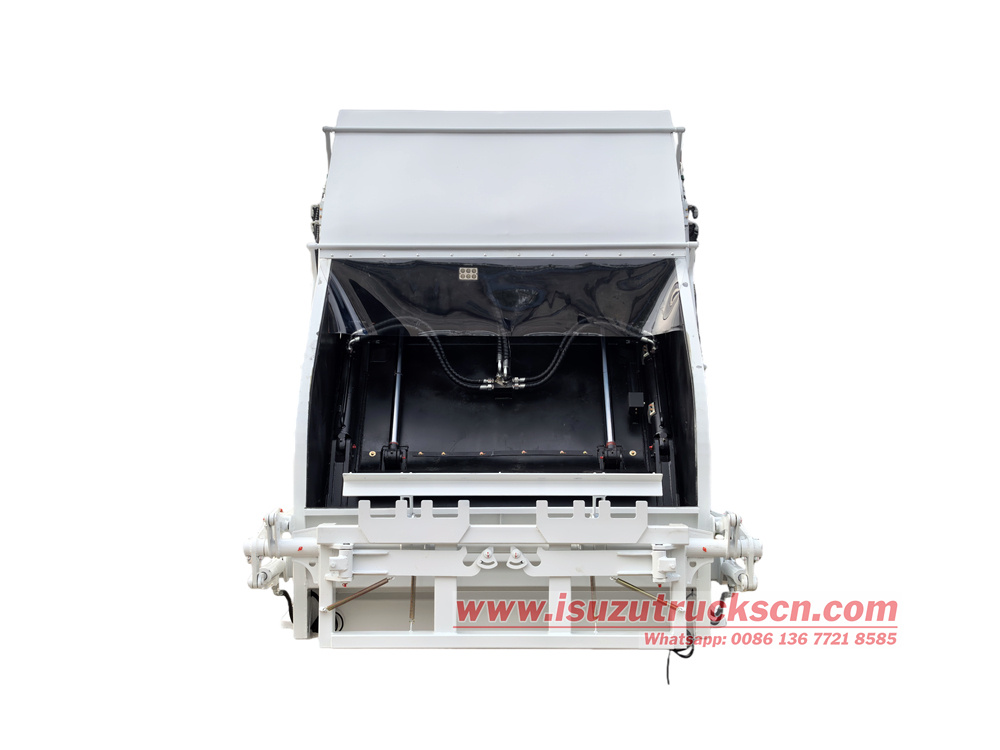
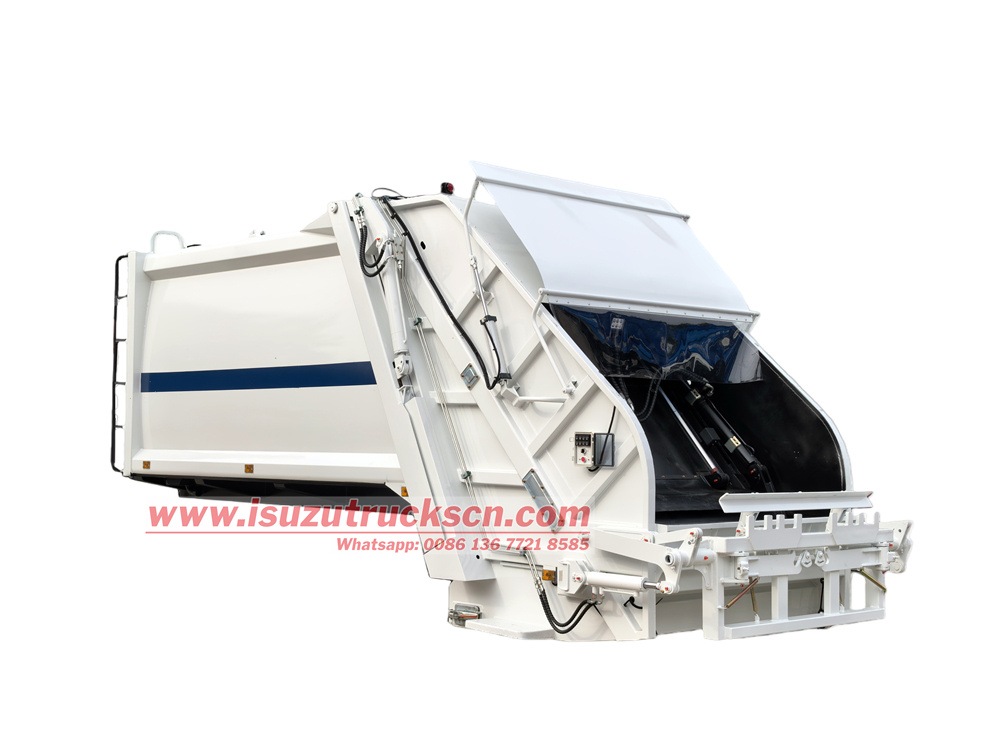
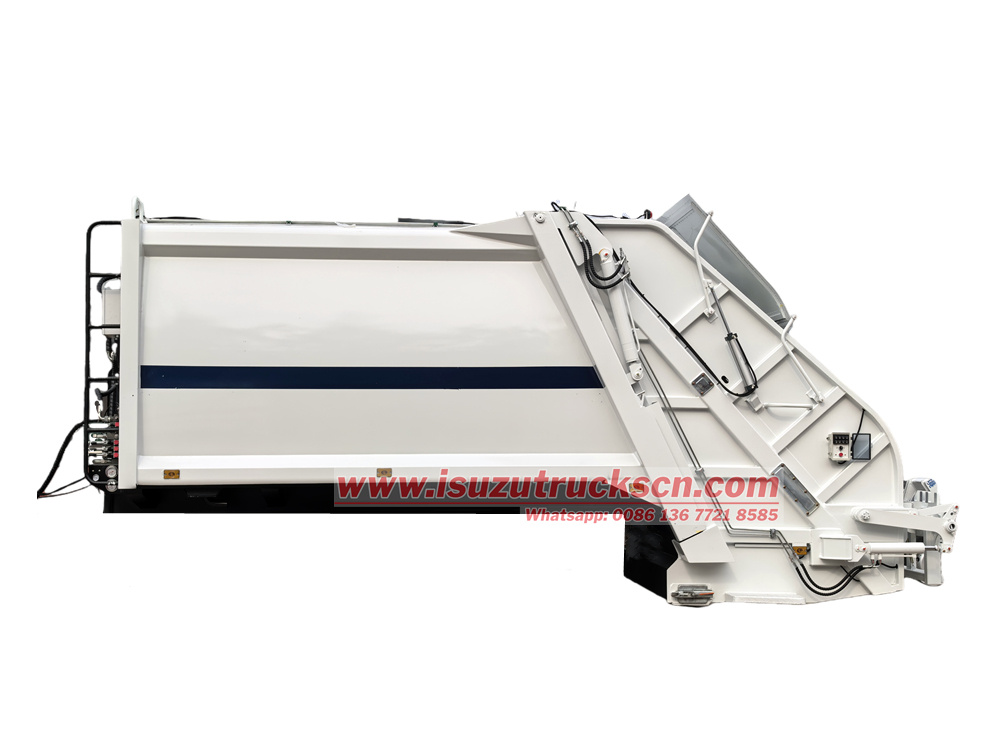
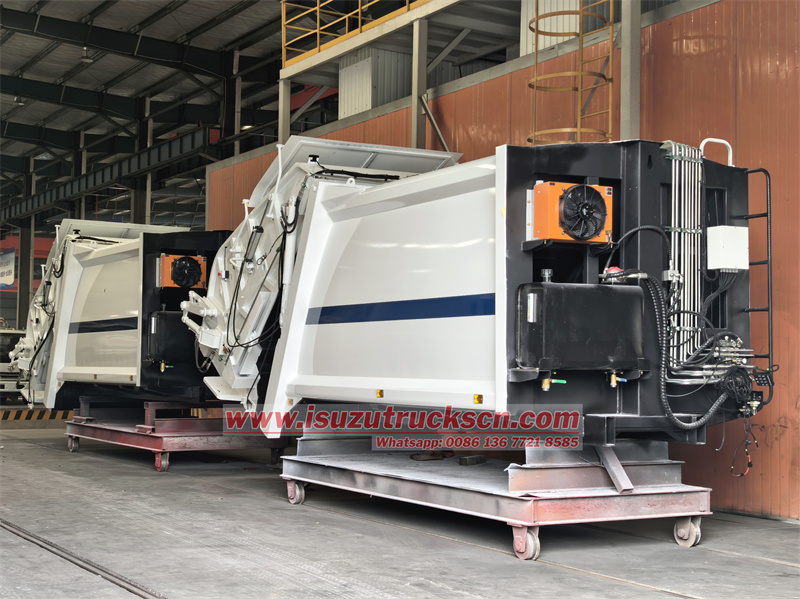
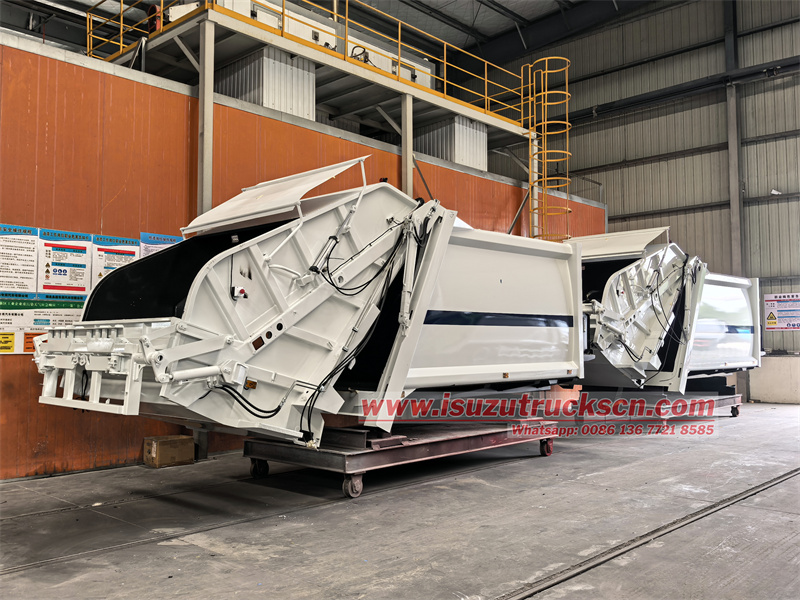
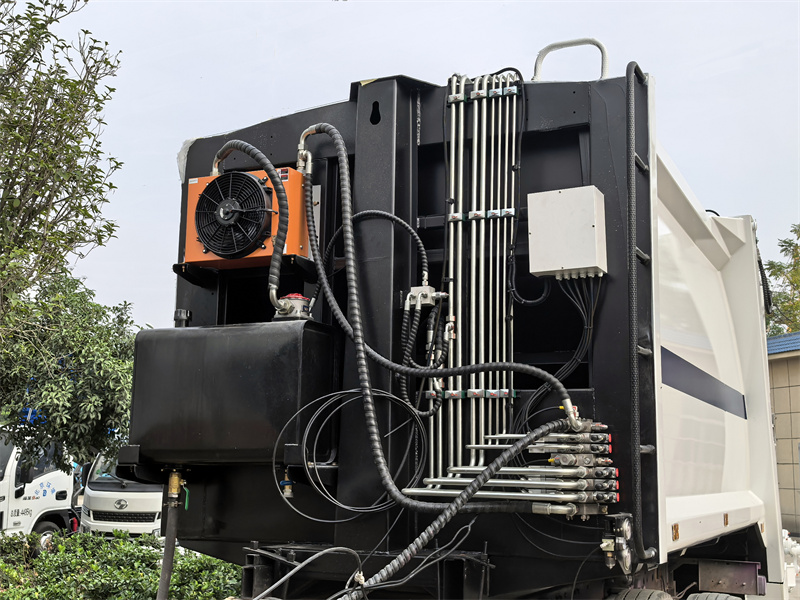
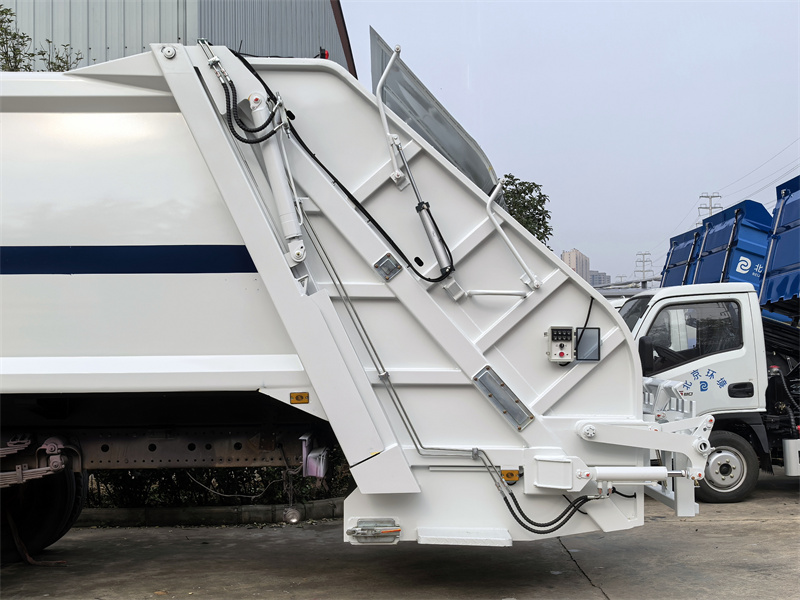
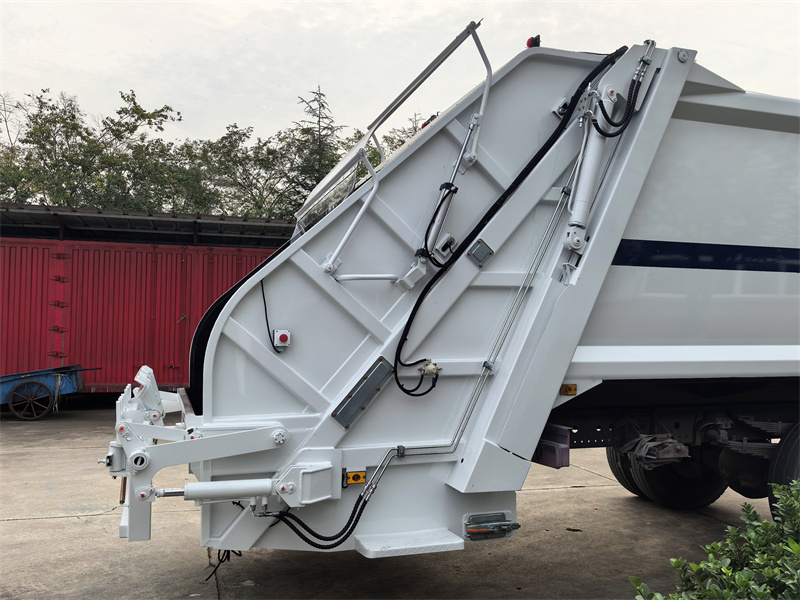
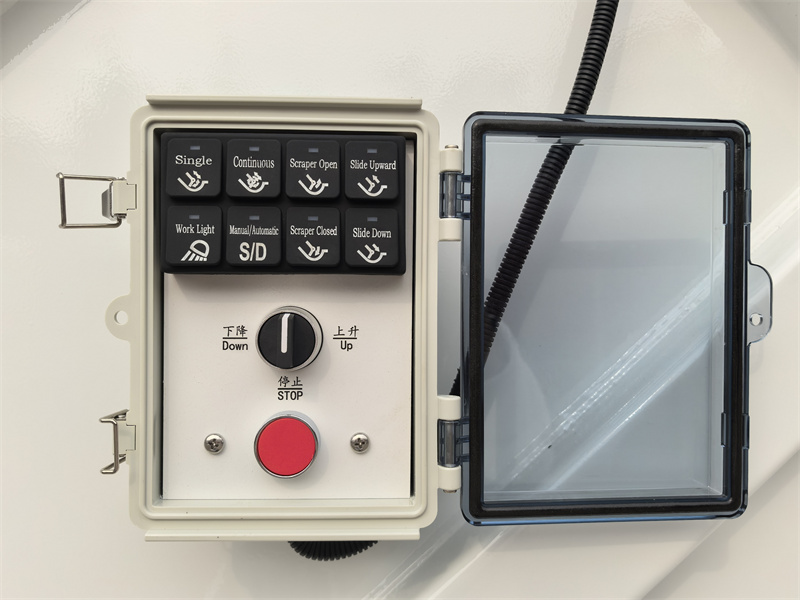
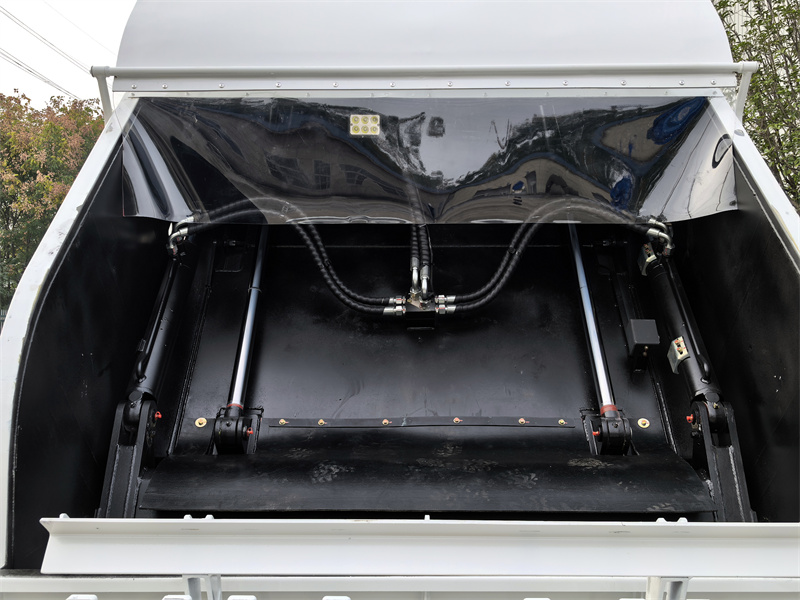
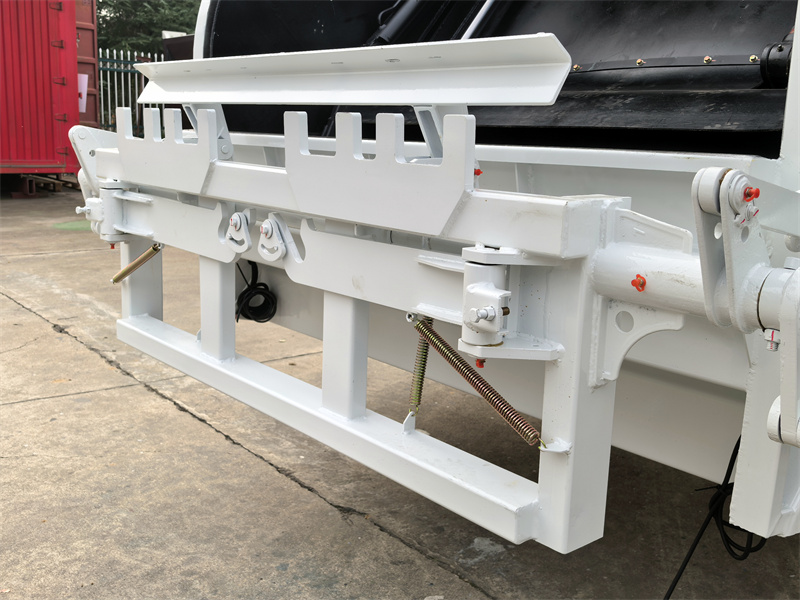
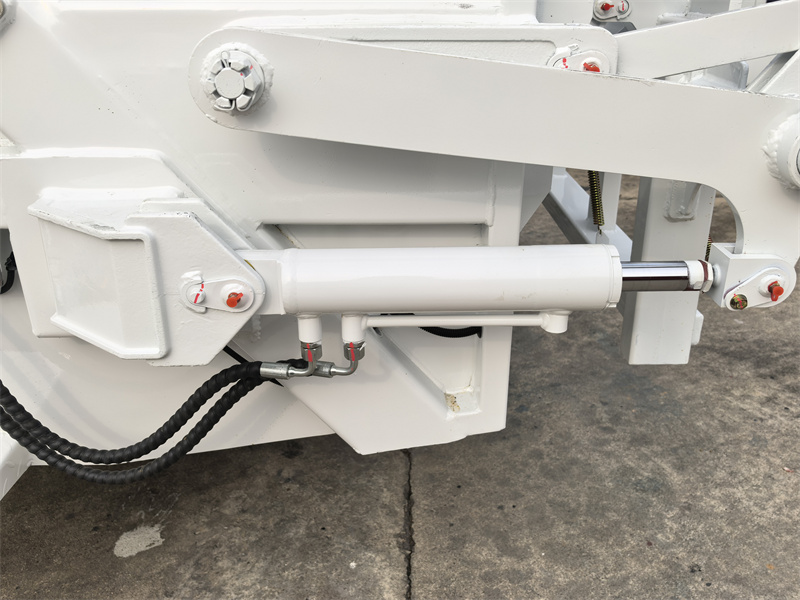
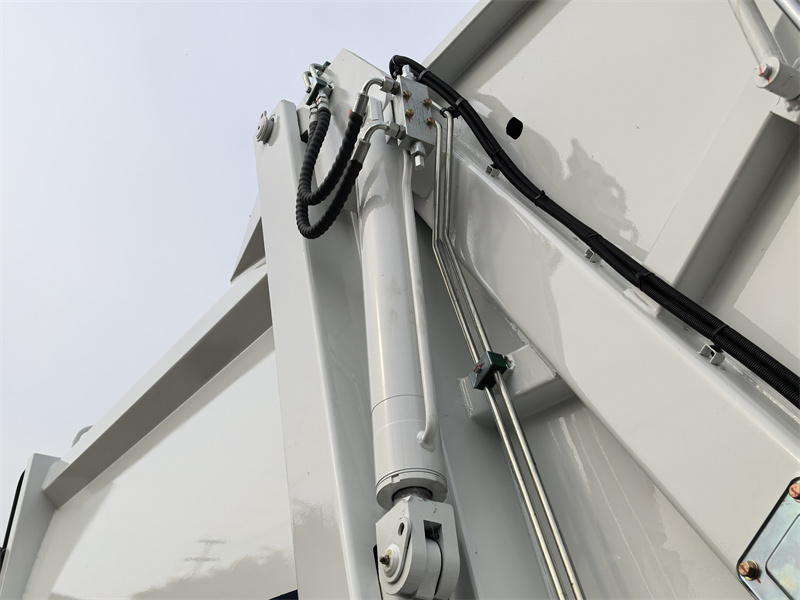

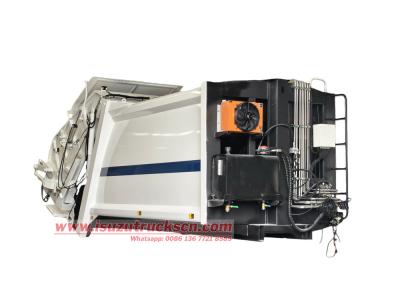
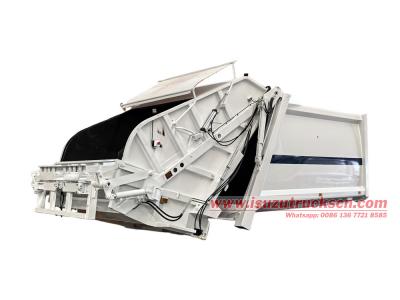
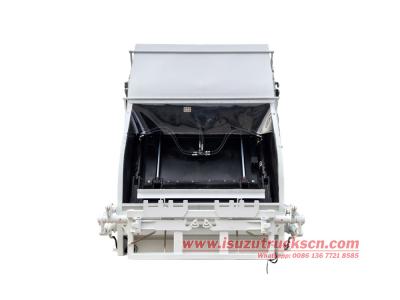
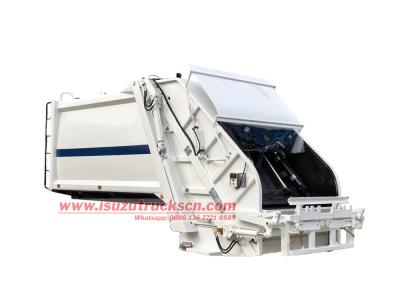
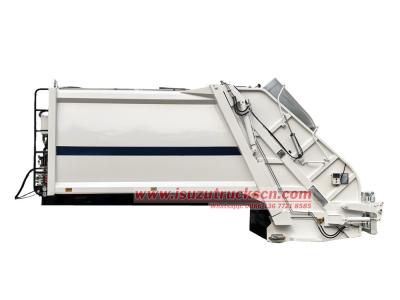
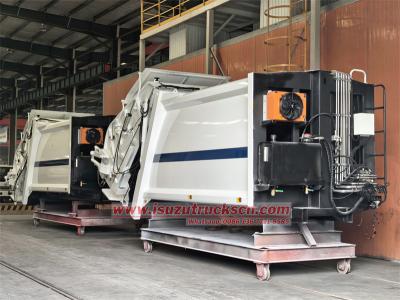
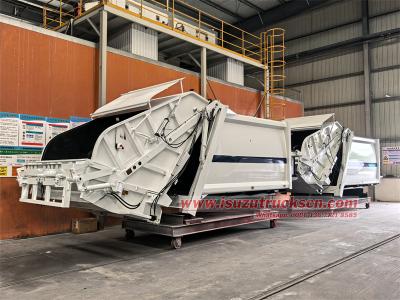
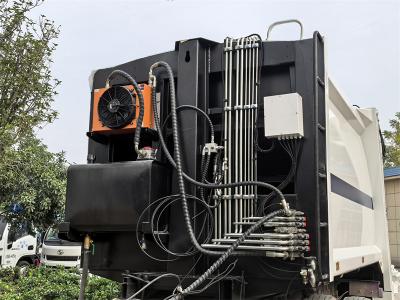
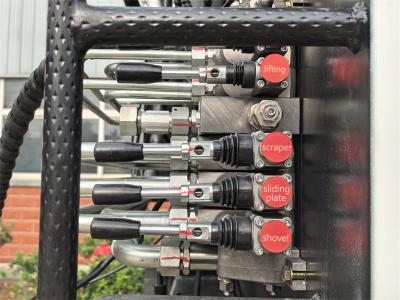
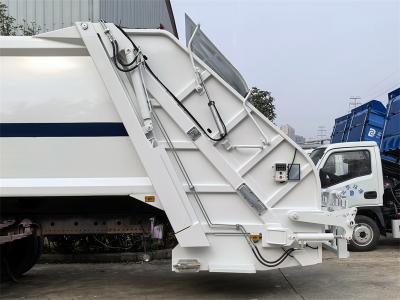
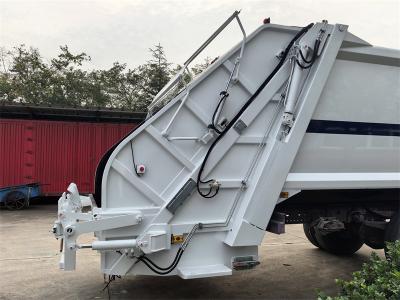
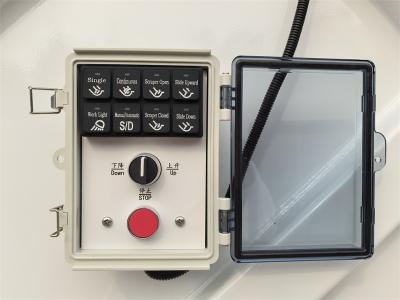
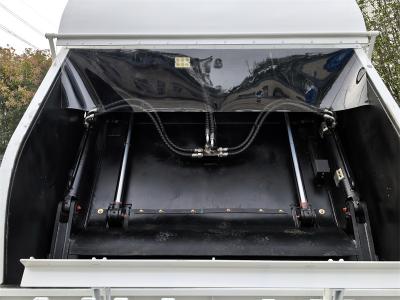
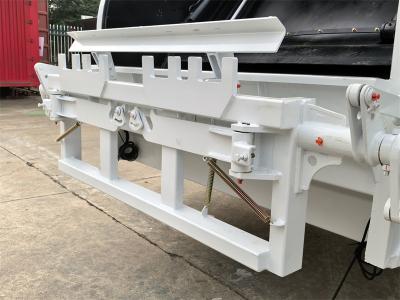
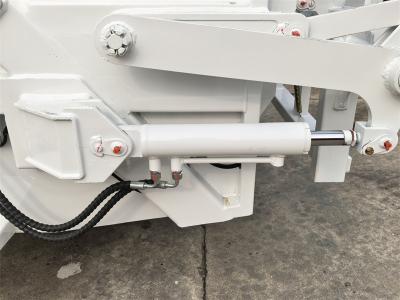
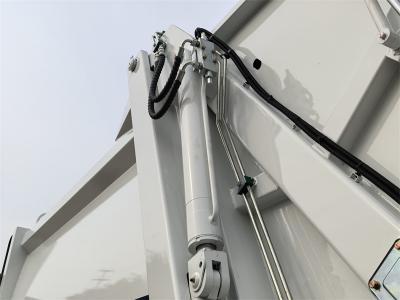
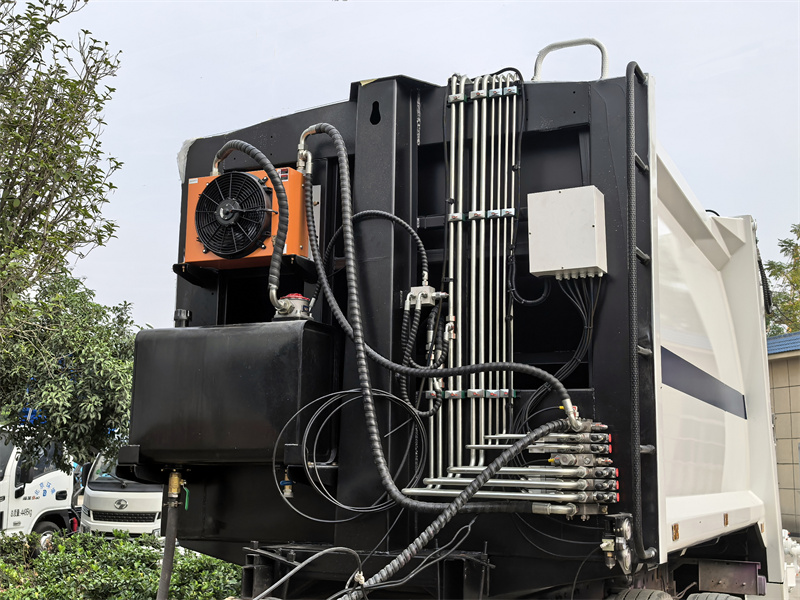
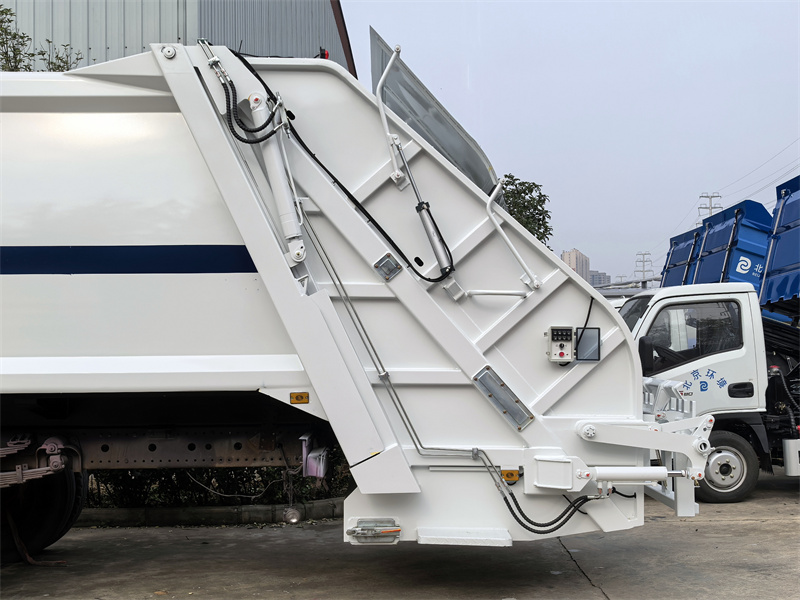
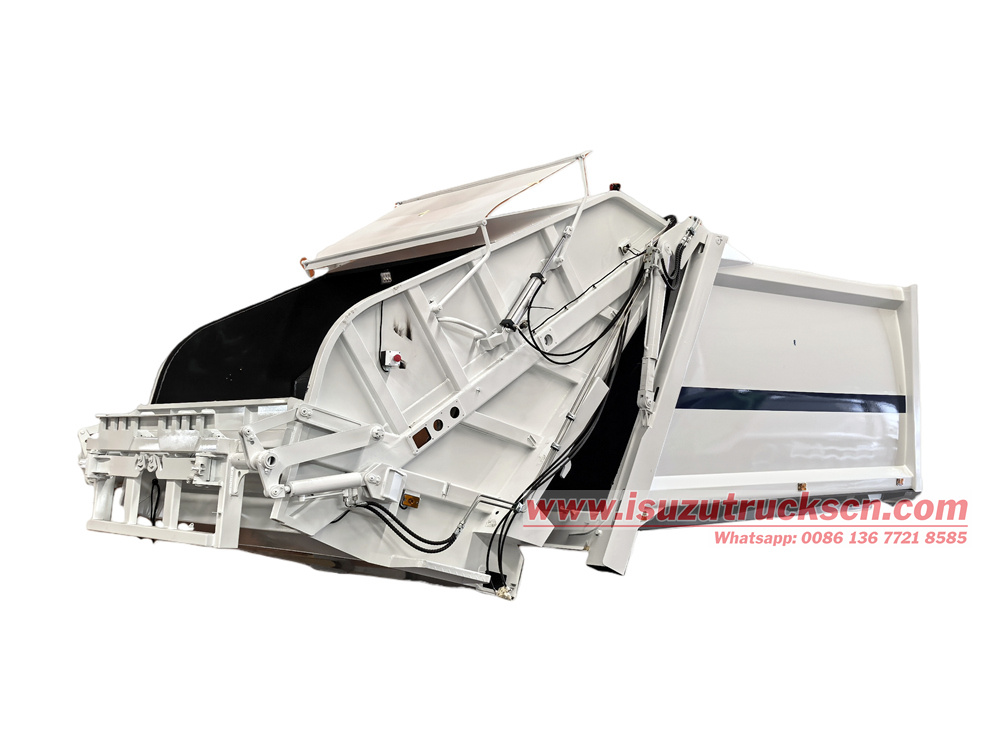
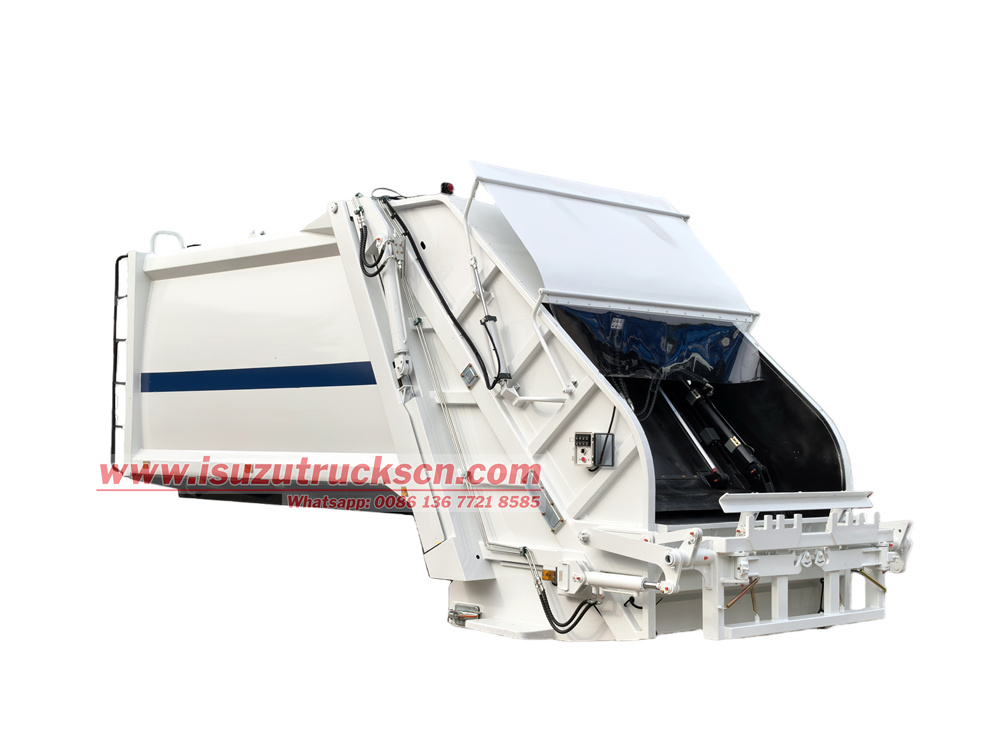
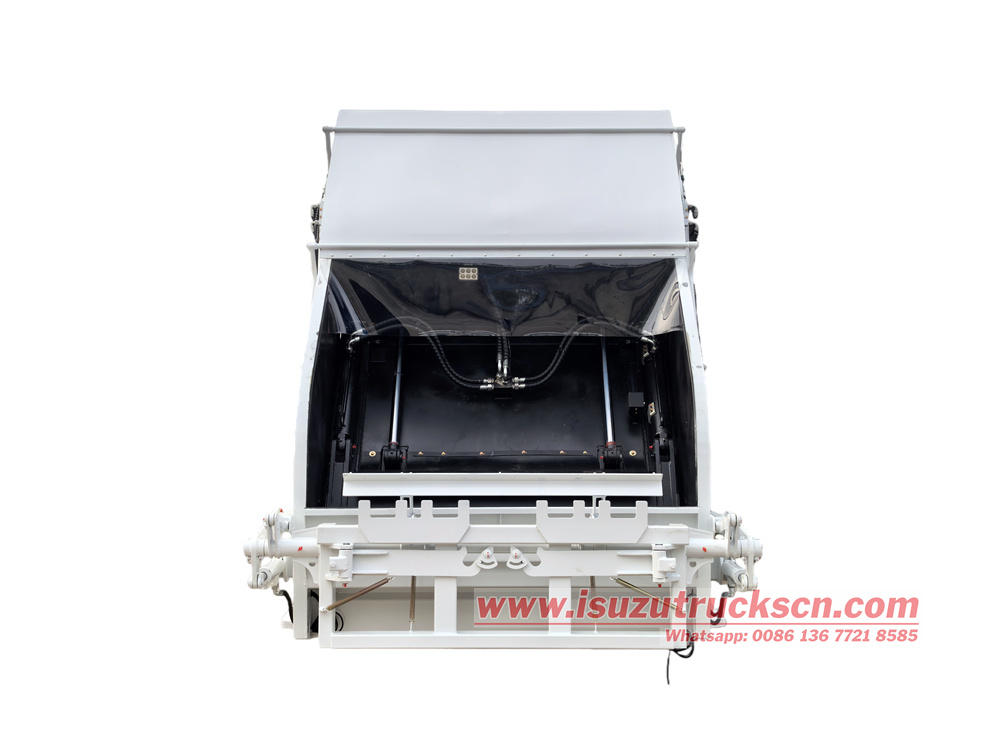
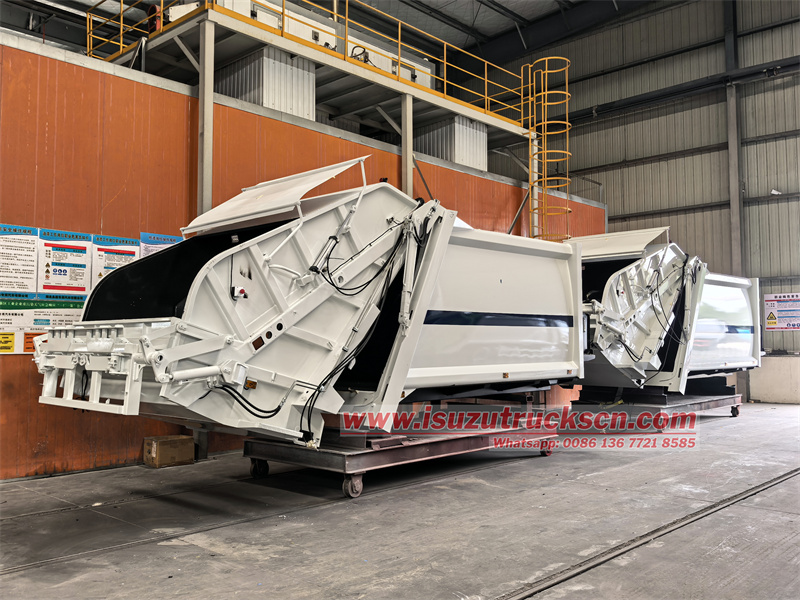
This 12 cubic meter compression garbage body, customized by the POWERSTAR factory, , is a custom-made body for an existing customer in the Philippines. it can be modified to match various chassis to meet the procurement needs of sanitation projects both domestically and internationally.
Manufacturer:
Powerstar TrucksWork capacity:
6cbmRemarks:
Suit for ISUZU NPR chassisIn routine municipal, residential, and commercial sanitation operations, traditional garbage compactor trucks face persistent practical challenges—such as limited operational versatility, secondary pollution, equipment fragility, high downtime, and substantial maintenance costs—that severely compromise operational efficiency and cleanliness standards. The Europe design 2026 year garbage compactor body introduced here overcomes the inherent design flaws of conventional equipment; it is precisely optimized to address six major, long-standing issues in frontline sanitation operations. Centered on scenario-specific solutions, it thoroughly resolves the practical pain points of daily waste collection and meets the demands of modern, high-standard sanitation work.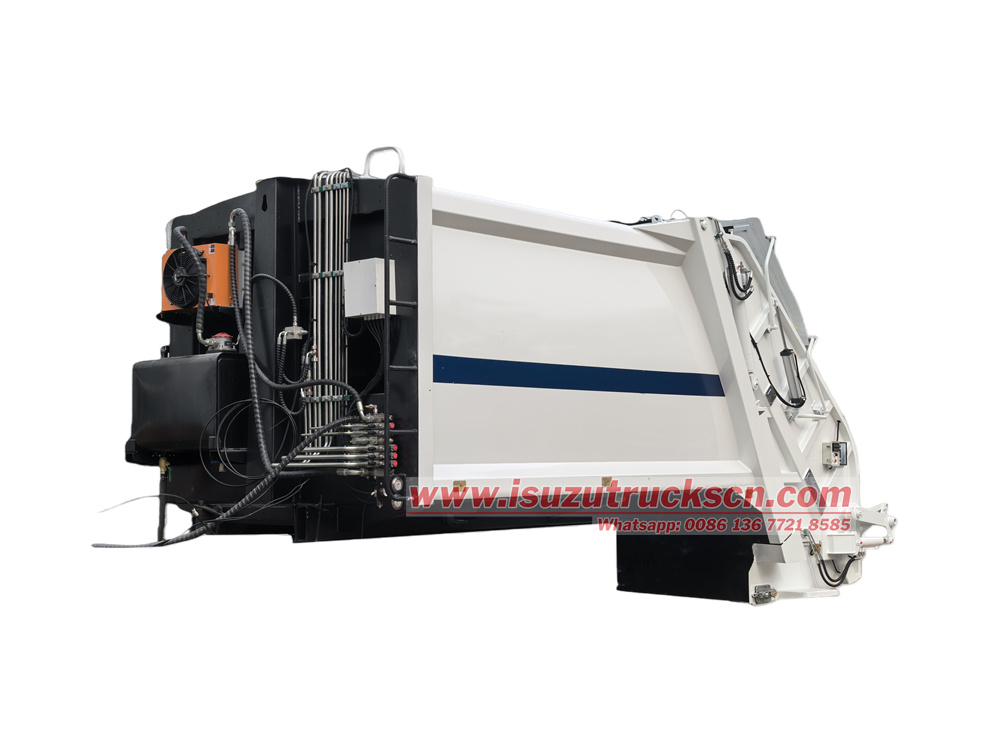
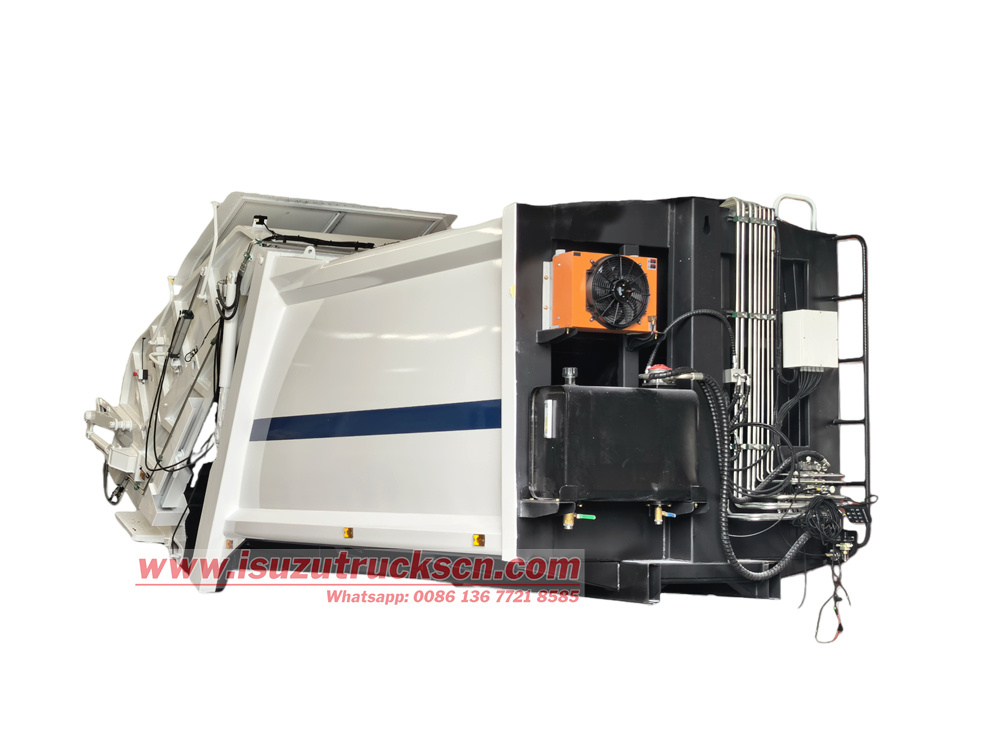
| Body capacity | 12cbm |
| Box material | T420 high-strength steel plate,Side 4mm,bottom 4mm |
| Design | Whole unit with Leakage Proof Design |
| Sewage tank | 200 +100liters |
| One loading cycle time | ≤25 s |
| Filler lifting time | ≤20s |
| Unloading cycle time |
≤60s |
| Garbage Compact Ratio |
≥1:3.4 |
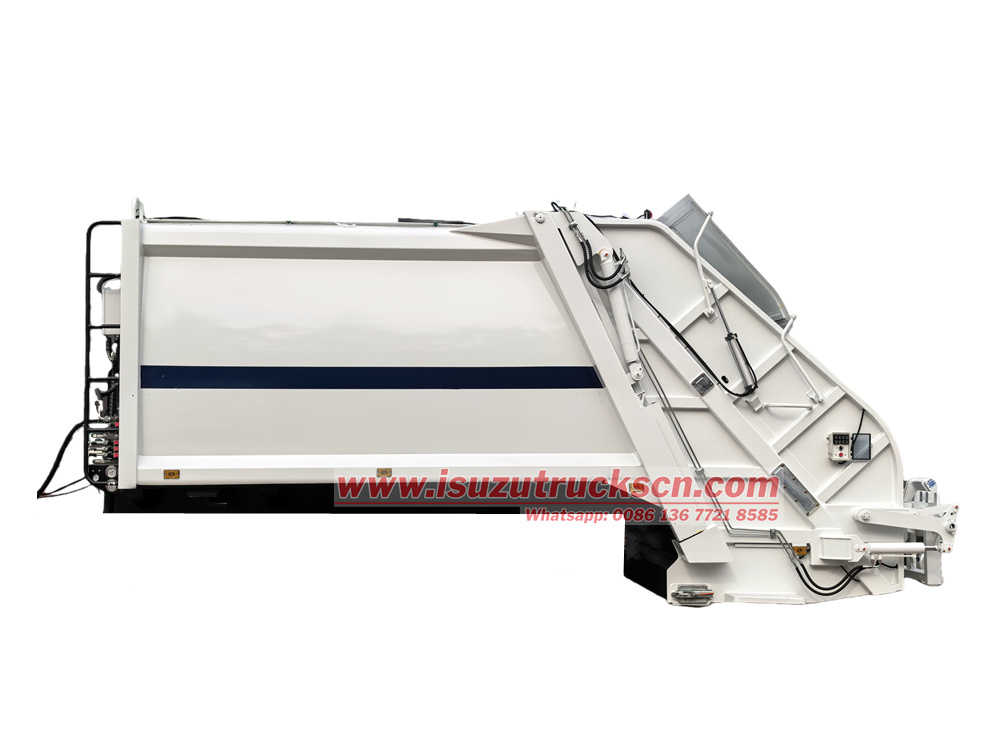
| Hydraulic system pressure | ≥18 MPa |
| Discharge model |
Horizontal Ejection |
| Core Components |
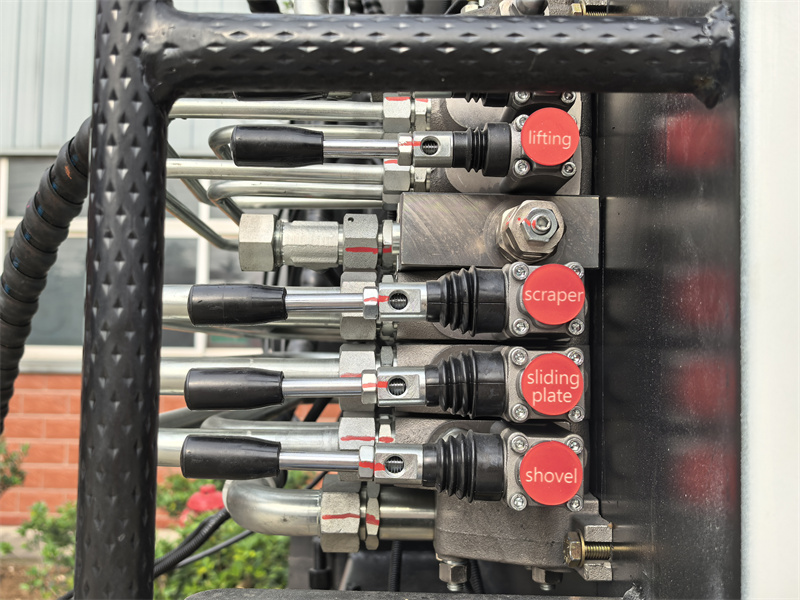
Compactor bin, Filler, PTO,Gear Pump, Hydraulic Cylinder, Scraper,slide plate,shovel,Hydraulic oil tank, multi-way valve,Electrical control system |
| Hydraulic system |
Guangdong Tianhe Hydraulic hose Yangzhou Xinyun Multi-way directional valve Hefei Changyuan Hydraulic oil pump Xiamen Yinhua Hydraulic cylinder |
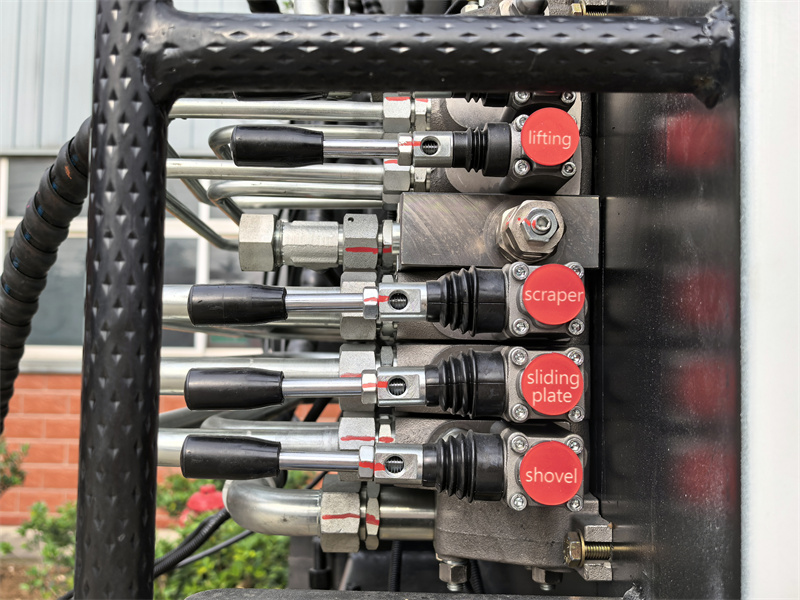
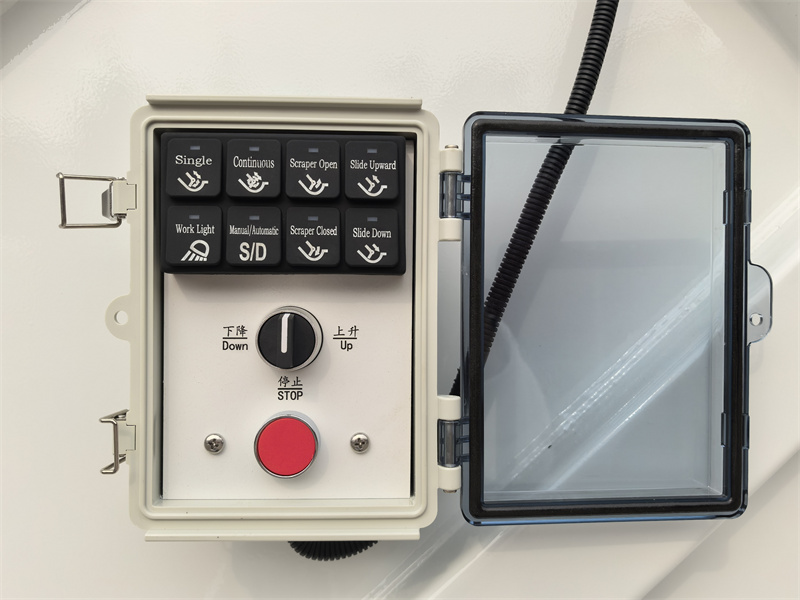
| Control system | CAN-BUS control system+Manual Hydraulic operation |
| Control panel | English or Your language |
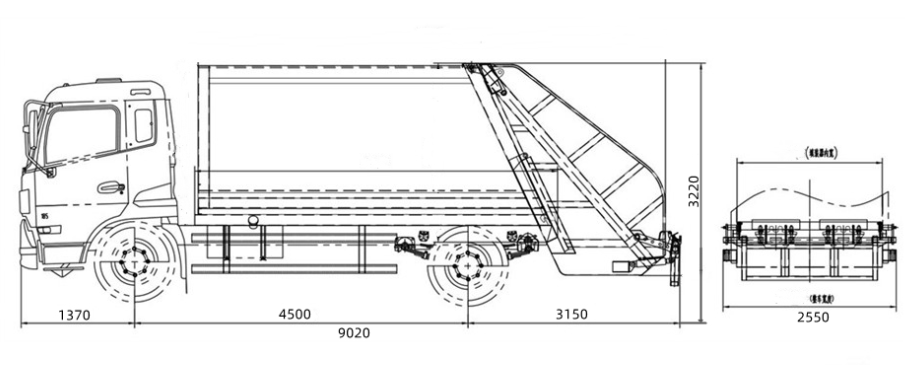
Technical drawing of 12cbm garbage compactor truck
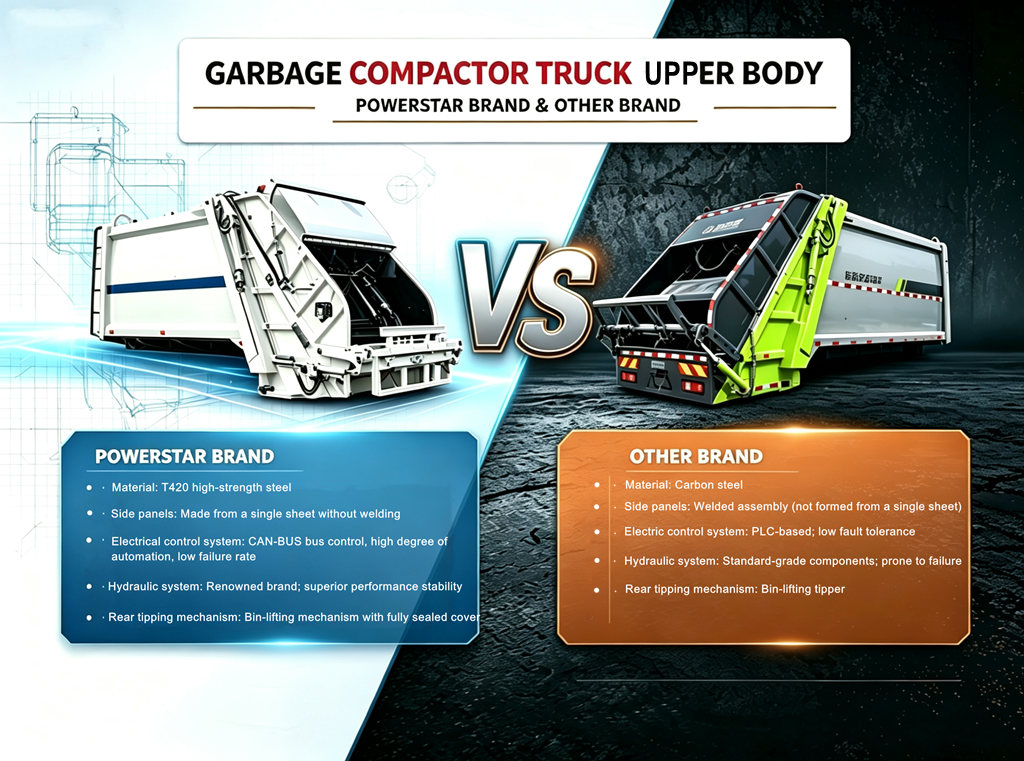
I. Industry Pain Point: Low Equipment Utilization
Traditional garbage trucks are designed for only one type of bin; they cannot handle both the 240L bins common in residential areas and the 1100L bins found in commercial districts and industrial zones. This necessitates the deployment of multiple vehicle types for grouped operations, consuming excessive equipment and labor resources, resulting in low efficiency, high operating costs, and potential gaps in the collection workflow.
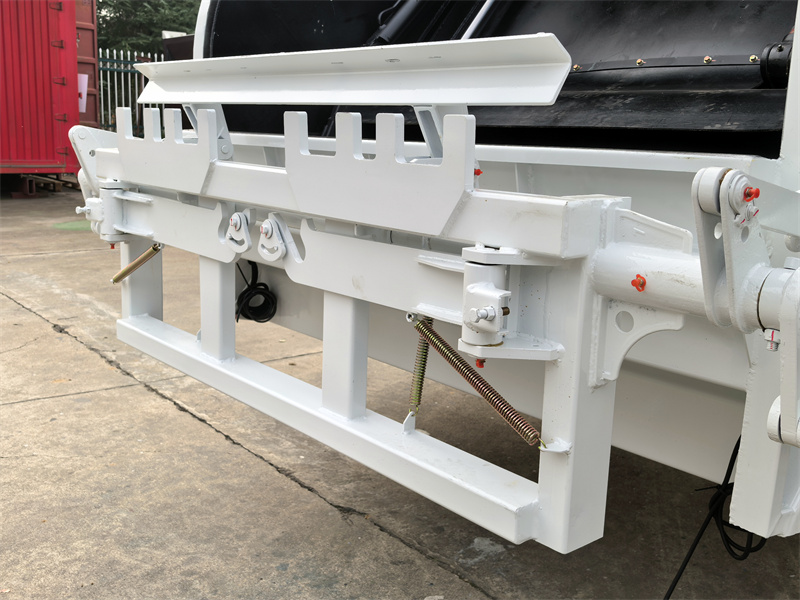
☞ Specialized Solution: The vehicle is equipped with an adaptive rear bin-lifting and tipping mechanism capable of handling two 240L bins or one 660L/1100L standard bin. It allows for seamless switching between collection modes for different bin sizes, enabling a single vehicle to handle operations across all scenarios—residential areas, commercial districts, and industrial zones. This streamlines the fleet, reduces costs, and boosts efficiency.
 Ⅱ. Industry pain points: sewage leakage, secondary pollution of road surfaces
Wet waste and kitchen waste from farmers' markets, residential areas contain large amounts of water, and traditional vehicle sewage collection structures are simple and cannot fully intercept leachate. Sewage dripping is prone to occur, causing road pollution and residual odor.
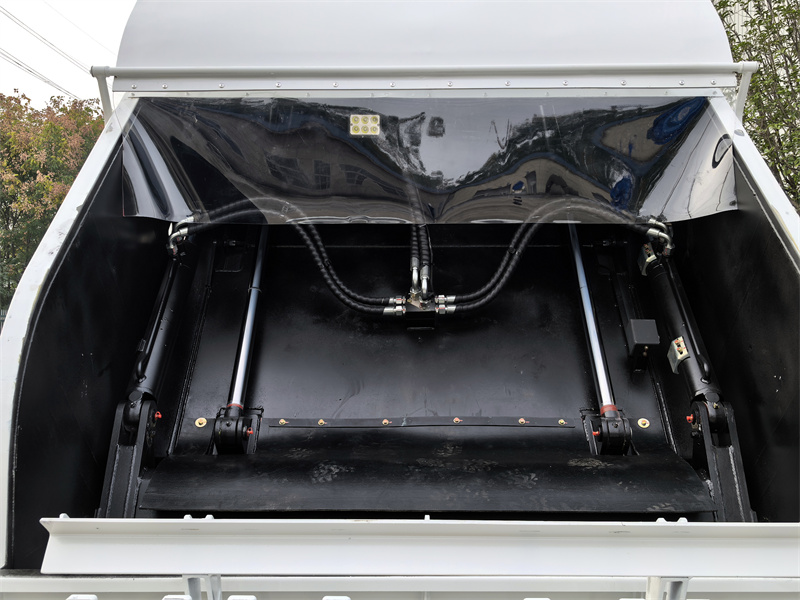
☞ Special solution: Equipped with two sewage tanks below the hopper and below the box. The hopper water tank accepts dumping and filling of instant sewage. The box sewage tank stores the extruded leachate during compression to store sewage in zones and prevent overflow and leakage. A sealing gasket is installed between the box and the filler to prevent secondary contamination during the transfer process from the source.
 III. Industry Pain Points: Vulnerable tank bodies and short equipment lifespan due to prolonged high-pressure compression operations
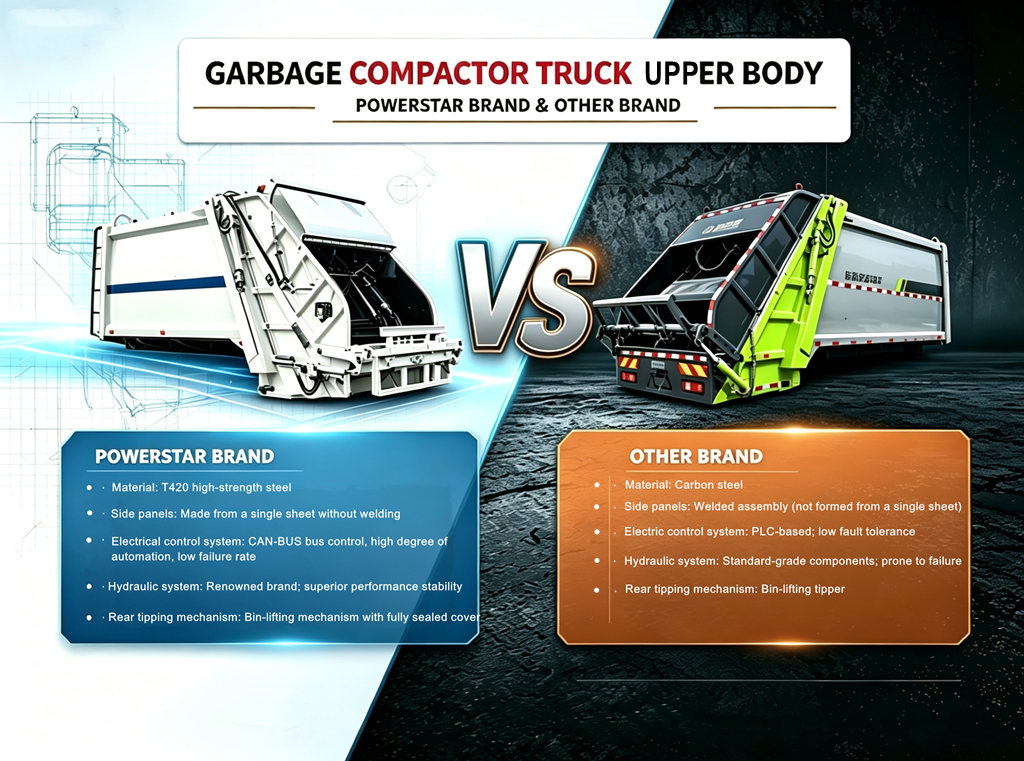
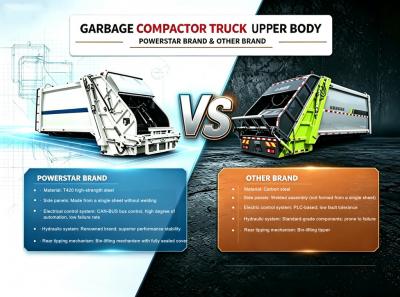
Traditional models utilize standard carbon steel tanks constructed from welded plate sections; consequently, frequent, long-term operation often leads to issues such as bulging, deformation, and weld seam cracking. Furthermore, standard steel offers poor corrosion resistance—making the tank body susceptible to rust caused by garbage leachate—which results in high equipment failure rates, a short service life, and elevated maintenance costs.
☞ Specialized Solution: The design employs T420 high-strength steel, featuring side panels made from a single, integrated sheet. This high-strength steel offers superior compressive strength, wear resistance, and corrosion resistance, making it ideal for demanding, long-term high-pressure operations. The use of a single, integrated steel plate prevents deformation caused by localized overloading and eliminates issues such as bulging, cracking, and rusting, thereby effectively extending the equipment's service life.
IV. Industry Pain Point: Electronic Control System Failures Cause Work Stoppages
Traditional refuse trucks typically rely on PLC control systems, which offer low fault tolerance. Electronic circuits are prone to failure or power loss in high-temperature and humid operating environments; a system malfunction causes the equipment to shut down immediately, leading to waste accumulation and delays in collection and transport.
☞ Specialized Solution: Equipped with a dual-redundancy control system featuring CAN-BUS intelligent electronic control and manual hydraulic control. Under normal conditions, the intelligent electronic control system precisely executes the full range of automated operations. In the event of an electronic failure or power loss, the system allows for a one-touch switch to manual hydraulic mode for independent operation. These dual systems serve as backups for one another, completely eliminating downtime and ensuring continuous, round-the-clock waste collection and transport.
V. Industry Pain Points: Dust and Odors from Open-Air Operations Cause Nuisance and Fail to Meet Environmental Standards
Traditional models utilize open-loading operations; in hot weather, fermenting waste generates strong odors, and the removal of dry waste easily kicks up dust. These issues not only disturb residents and trigger complaints but also render the vehicles unsuitable for high-standard environmental sanitation settings such as upscale residential complexes, scenic areas, and schools.
☞ Specialized Solution: Equipped with a fully sealed loading hopper cover as standard, the vehicle ensures a completely enclosed process during waste dumping, compaction, and standby modes. This effectively prevents the spread of dust and the leakage of odors, eliminates insect breeding during stationary periods, and makes the vehicle suitable for densely populated areas and high-standard sanitation environments, thereby achieving civilized and eco-friendly waste removal.
VI. Industry Pain Points: Severe vibration during heavy-load operations, prone to mechanism wear and high failure rates
Traditional tipping mechanisms suffer from unstable hydraulic output, causing severe vibration and impact during heavy-load operations. This often leads to waste spillage and accelerated wear on mechanical components over time, resulting in persistently high failure rates and maintenance costs.
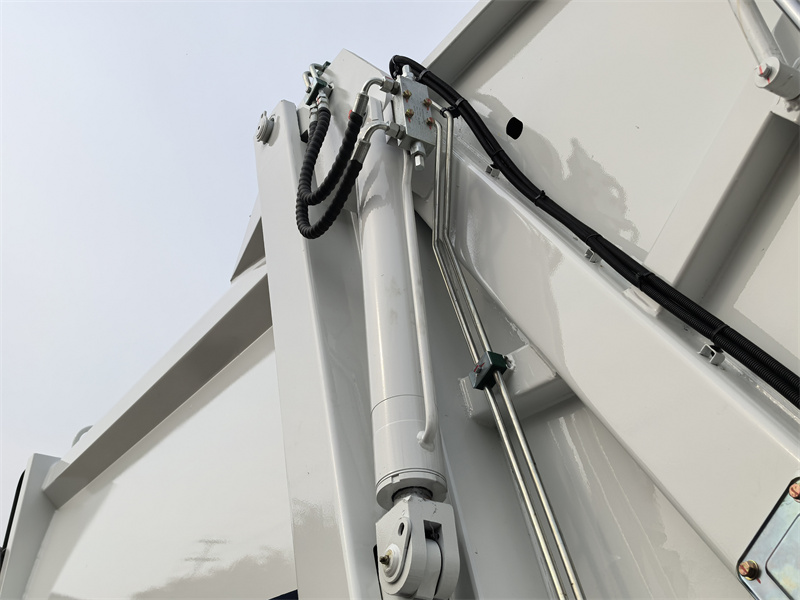
☞ Specialized Solution: Equipped with hydraulic systems from renowned domestic brands (Guangdong Tianhe hydraulic hoses, Yangzhou Xinyun multi-way directional valves, Hefei Changyuan hydraulic pumps, and Xiamen Yinhua hydraulic cylinders), the system delivers smooth, linear power output and automatically adapts to the operational requirements of both small and large bins. The mechanism ensures gentle, quiet tipping for small bins and provides uniform cushioning—free from vibration or impact—during heavy-load operations with large bins. This significantly reduces mechanical wear and the likelihood of hydraulic failures, ensuring stability during high-frequency, heavy-load tasks while lowering long-term maintenance costs.

Garbage Truck Body Refuse collection bodies (also called as Rear Loder Compactor Body, Garbage truck bodies, Rear Loader Garbage Body, refuse compactor body kit, Waste compactor up-structure, Rear loader super structure, Bin lorry hydraulic system, Compression garbage truck body kit, Hydraulic rear compactor up structure)
Learn More
China best Isuzu Environment Garbage Compactor body kit, Refuse Trucks super structure, Compactor Garbage Trucks upper bodies
Learn More
Garbage compactor body kit (also called as Garbage truck bodies, Rear Loader Garbage Body, refuse compactor body kit, Waste compactor up-structure, Rear loader super structure, Bin lorry hydraulic system, Compression garbage truck body kit, Hydraulic rear compactor up structure)
Learn More
Trash Compactor Replacement Body Kits,Rear Loder Compactor Body,Rear Loader Refuse Truck body
Learn More
Waste compactor truck up structure, Rear Loader bodies, Refuse Collection Truck Super Structure
Learn More